
 In the new age of space travel and exploration, commercial space companies are not only boasting immense growth and innovation, but are reaching out to fill niche markets as well. In addition to launchers that can send orbiters and payloads into space, there are also new breeds of commercial satellites, new engines, and a slew of other concepts that promise to make the industry more promising and cost effective.
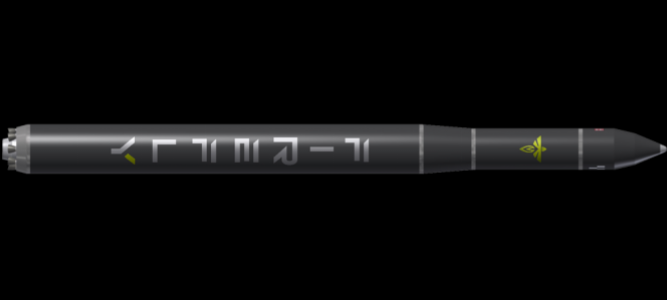
A case in point is the small satellite launch company Firefly Space Systems, which recently unveiled its planned Alpha launcher. Aimed at the small satellite launch market, it’s designed to launch satellites into low-Earth orbit (LEO) and Sun-synchronous orbits for broadband communication using an unconventional aerospike engine, it is also the first orbital launcher to use methane as fuel.
 The Firefly Alpha is a specialized design to launch light satellites at low cost into low Earth Designed to carry payloads of up to 400 kg (880 lb), the Alpha features carbon composite construction and uses the same basic design for both of its two stages to keep down costs and simplify assembly. Methane was chosen because it’s cheap, plentiful, clean-burning and (unlike more conventional fuels) self-pressurizing, so it doesn’t require a second pressurization system.
But the really interesting thing about the two-stage rocket assembly is that the base of the engine is ringed with rocket burners rather than the usual cluster of rocket engines. That’s because, while the second stage uses conventional rocket engines, the first stage uses a more exotic plug-cluster aerospike engine that puts out some 400.3 kN (or 40,800 kg/90,000 lb) of thrust.
 Aerospike engines have been under development since the 1960s, but until now they’ve never gotten past the design phase. The idea behind them is that rockets with conventional bell-shaped nozzles are extremely efficient, but only at a particular altitude. Since rockets are generally used to make things go up, this means that an engine that works best at sea level will become less and less efficient as it rises.
The plug aerospike is basically a bell-shaped rocket nozzle that’s been cut in half, then stretched to form a ring with the half-nozzle forming the profile of a plug. This means that the open side of the rocket engine is replaced with the air around it. As the rocket fires, the air pressure keeps the hot gases confined on that side, and as the craft rises, the change in air pressure alters the shape of the “nozzle;” keeping the engine working efficiently.
 The result of this arrangement is a lighter rocket engine that works well across a range of altitudes. Because the second stage operates in a near vacuum, it uses conventional rocket nozzles. As Firefly CEO Thomas Markusic put it:
What used to cost hundreds of millions of dollars is rapidly becoming available in the single digit millions. We are offering small satellite customers the launch they need for a fraction of that, around US$8 or 9 million – the lowest cost in the world. It’s far cheaper than the alternatives, without the headaches of a multi manifest launch.
Meanwhile, SpaceX has been making headlines with its latest rounds of launches and tests. About a week ago, the company successfully launched six ORBCOMM advanced telecommunications satellites into orbit to upgrade the speed and capacity of their existing data relay network. The launch from Cape Canaveral Air Force Station in Florida had been delayed or scrubbed several times since the original launch date in May due to varying problems.
 However, the launch went off without a hitch on Monday, July 14th, and ORBCOMM reports that all six satellites have been successfully deployed in orbit. SpaceX also used this launch opportunity to try and test the reusability of the Falcon 9′s first stage and its landing system while splashing down in the ocean. However, the booster did not survive the splashdown.
SpaceX CEO Elon Musk tweeted about the event, saying that the:
Rocket booster reentry, landing burn & leg deploy were good, but lost hull integrity right after splashdown (aka kaboom)… Detailed review of rocket telemetry needed to tell if due to initial splashdown or subsequent tip over and body slam.
SpaceX wanted to test the “flyback” ability to the rocket, slowing down the descent of the rocket with thrusters and deploying the landing legs for future launches so the first stage can be re-used. These tests have the booster “landing” in the ocean. The previous test of the landing system was successful, but the choppy seas destroyed the stage and prevented recovery. Today’s “kaboom” makes recovery of even pieces of this booster unlikely.
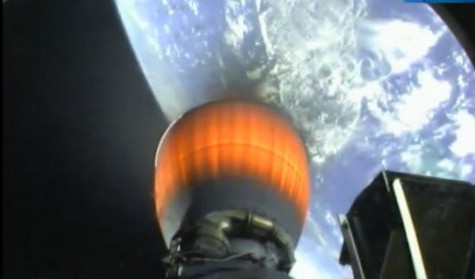 This is certainly not good news for a company who’s proposal for a reusable rocket system promises to cut costs exponentially and make a whole range of things possible. However, the company is extremely close to making this a full-fledged reality. The take-off, descent, and landing have all been done successfully; but at present, recovery still remains elusive.
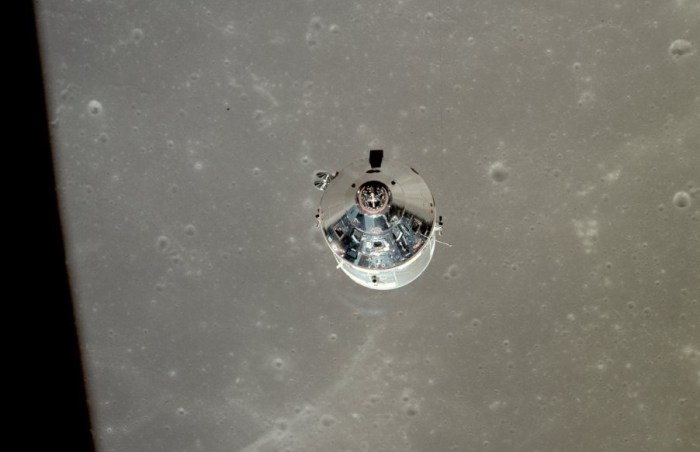
But such is the nature of space flight. What begins with conceptions, planning, research and development inevitably ends with trial and error. And much like with the Mercury and Apollo program, those involved have to keep on trying until they get it right. Speaking of which, today marks the 45th anniversary of Apollo 11 reaching the Moon. You can keep track of the updates that recreate the mission in “real-time” over @ReliveApollo11.
As of the writing of this article, the Lunar module is beginning it’s descent to the Moon’s surface. Stay tuned for the historic spacewalk!
Sources: universetoday.com, gizmag.com

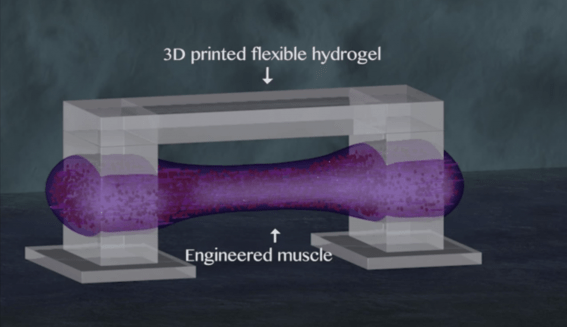 Previous versions, using heart muscle tissue, were also able to “walk” but were not controllable, as heart tissue contracts constantly of its own accord. Spinal muscle, by contrast, responds to external electrical stimuli and provide a range of a range of potential uses. These include bio-robots being able to operate inside the body in medical applications, or being used outdoors in environmental services.
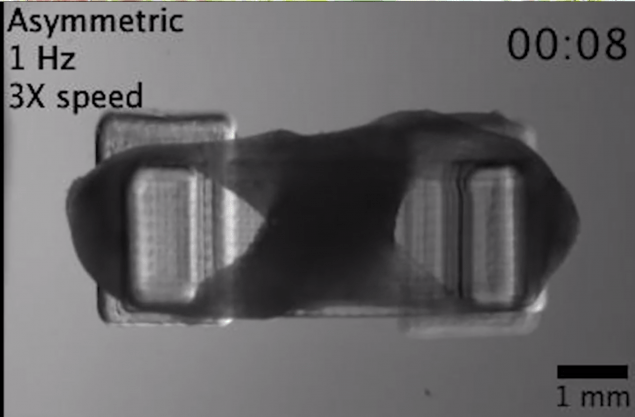 They’re also looking at integrating neurons to steer the tiny bots around, either using light or chemical gradients as a trigger. This would be a key step toward being able to design bots for a specific purpose. As Bashir said:


 In addition, Bertassoni claims that the ultimate aim of the research is for patients to be able to walk into a hospital and have a full organ printed with all the cells, proteins and blood vessels in the right place:

 And now, Windstream Technologies – a commercial wind and sun generating firm aimed at bringing renewable energy to municipalities, commercial buildings and homes -has installed what it says is the world’s largest wind-solar hybrid array on the roof of the Myers, Fletcher, & Gordon (MFG) lawfirm in Kingston, Jamaica. The array is expected to generate over 106,000 kWh annually and demonstrates the ability to maximize energy production with limited roof space.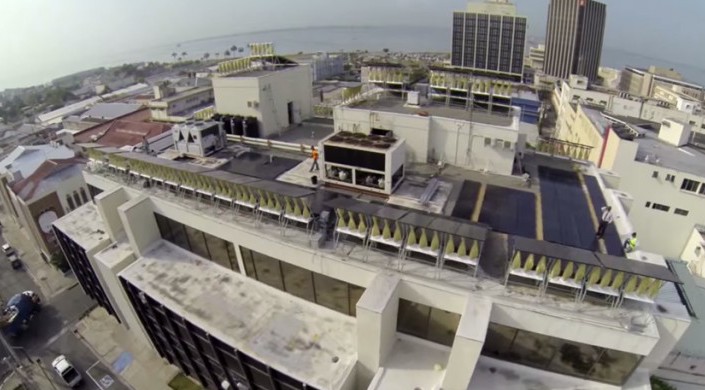
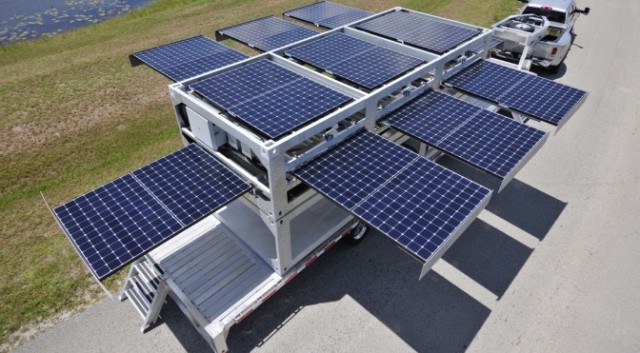
 The Ecos PowerCube will be available in three sizes that are designed to fit into 10-foot, 20-foot, and 40-foot shipping containers.
 In the meantime, it is still a crafty idea, and one which has serious potential. Not only do disaster areas need on-site water distribution – shipping it in can be difficult and time consuming – but internet access is also very useful to rescue crews that need up-to-date information, updates, and the ability to coordinate their rescue efforts. And military installations could certainly use the inventions, as they would cut down on fuel consumption.

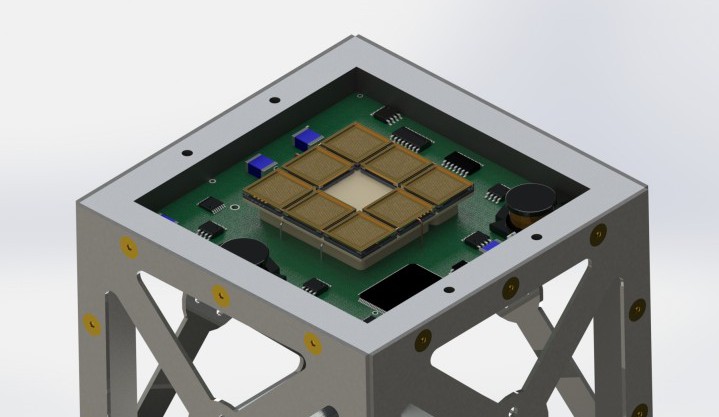
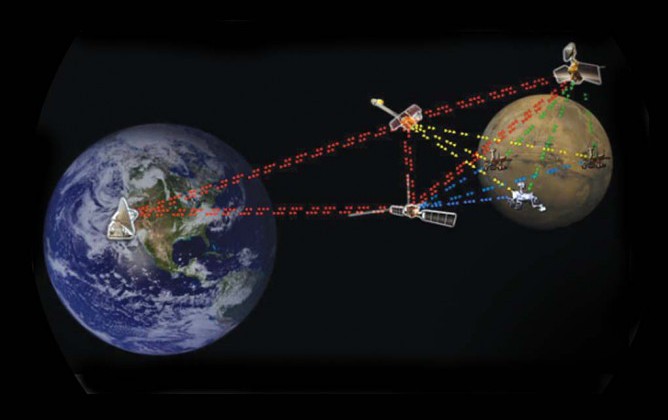
 The technologies being tested on the three spacecraft include delay-tolerant networking for the Deep Space Internet, inflatable antennae, and new interplanetary radiation sensors that will pave the way for future human trips to Mars. But out of all the new technologies being tested, the most exciting is certainly the propulsion system. But the most interesting technology of all will be in the form of its engines.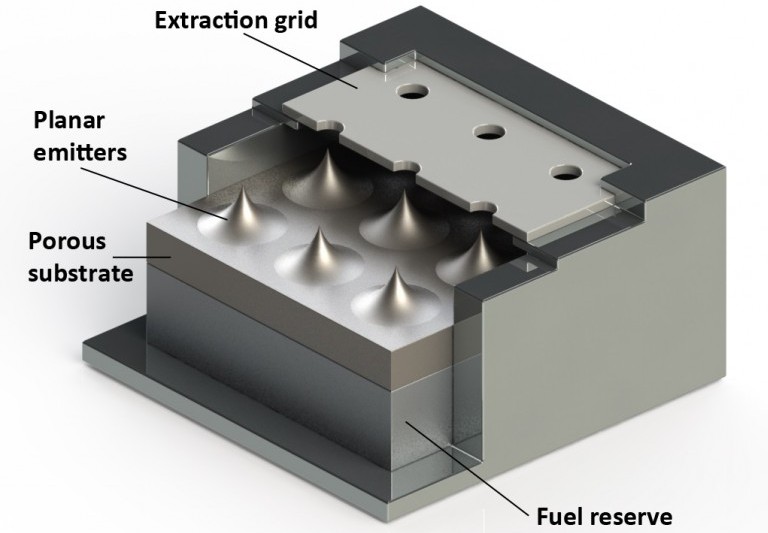


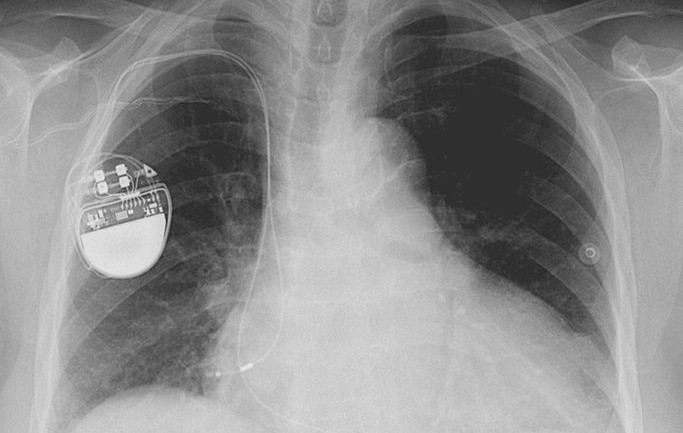
 And while this does represent a major step forward in the field of piezoelectrics – a technology that could power everything from personal devices to entire communities by harnessing kinetic energy – it is also a boon for non-invasive medicine and energy self-sufficiency.


 This is just the latest in a series of possible plans to capture debris. In the past, the ESA has revealed that it was looking at capturing space debris in a net, securing it with clamping mechanisms, or grabbing hold of it using robotic arms. However, the latest possibility calls for using capturing debris with a tethered harpoon, which would pierce the debris with a high-energy impact before reeling it in.
 The ESA says the space harpoon concept has already undergone initial investigations by Airbus Defense and Space in Stevenage – two aerospace developers based in the UK. The preliminary design incorporates a penetrating tip, a crushable cartridge to help embed it in the target satellite structure, and barbs to keep it sticking in so the satellite can then be reeled in.

 Battelle has been working on neurosensing technology for almost a decade. As Chad Bouton, the leader of the Neurobridge project at Battelle, explains:
 A team led by Chad Bouton at Battelle spent nearly a decade developing the algorithms, software and sleeve. Then, just two years ago, Dr Ali Rezai and Dr Jerry Mysiw were brought on board to design the clinical trials. Burkhart became involved with the study after his doctor mentioned it to him and he learned he was an ideal candidate. He had the exact level of injury the researchers were looking for, is young and otherwise healthy, and lives close to the Ohio State University Wexner Medical Center, where the research is being conducted.
 Post-surgery, Burkhart still had a lot of thinking to do, this time, in order to move his hand. As he explained:
 Burkhart is confident that he can regain even more movement back from his hand, and the researchers are approved to try the technology out on four more patients. Ultimately, the system will only be workable commercially with a wireless neural implant, or an EEG headset – like the
  Stories by Williams