The king who is situated anywhere immediately on the circumference of the conqueror’s territory is termed the enemy. The king who is likewise situated close to the enemy, but separated from the conqueror only by the enemy, is termed the friend.
-Kautilya, Arthasastra: Book IV
The sound was like a gentle beating in his ears. An intermittent thrum that kept reverberating in the dark. His eyes went in and out of focus, watching as the hard, graceful wings looped endlessly in an unending dance. He blinked many times, his mind moving in and out of the darkness. And all the while, a strange sensation was building in the back of him, like a burning light that was slowly became brighter.
The thrum was getting stronger too, and it was soon interrupted by a high-pitched whine and a loud voice…
“On your feet!”
A deafening roar sounded and he has hit by something hard. His skin prickled at the feel of terrible heat, and he realized he was awash in it. His mind went dark again for a moment, then came back to the light as he felt a sharp sting against his face. When his eyes opened, they saw the face of a familiar-looking man, and heard the same voice calling to him again.
“Get up! Get up!”
He drew in breath and felt another sharp sting. His body had been shocked into wakefulness again, and all at once, the landscape became a very noisy, very ugly place.
“Get up! We gotta move, sir!”
The face pulled away and a hand descended onto his chest, pulling at his uniform. The next thing he knew, he was on his feet and being shoved from behind. Close by, he saw the burning wreck of what had once been the beating wings, the body of their evac chopper. He could barely stand, barely move his body. And yet somehow, he knew to turn his back to it and run.
“C’mon! We got to get to the treeline before another -”
Another high-pitched whine and another roar followed, bringing with it another burst of heat and another powerful wave. This one sent him low; and above, the sound of several more terrible whines were coming in. He closed his eyes and just kept running. Surely, these ones would miss him if he could just block them out. Or, one might find him, and turn the world black forever…
“Sir! Sir! Look at me!”
The voice was coming from beside him this time. Bellard looked to it and instantly recognized who it was. He quickly sat up, but several deep breaths were needed before he could speak.
“Marcel,” he said, wiping his face. He noted the generous amount of sweat there, despite how cold he felt. “What happened?”
“You were having a nightmare, sir,” said Marcel, offering him his canteen. “And you instructed me to wake you when we found the path again.”
Bellard drank deeply from the canteen, his mouth accepting the cool water gratefully. He noted the brackish taste, and the unmistakable tang of iodine tablets. When he was finished, he processed what the Corporal was telling him and quickly remembered.
“Ah, yes. How far is it?”
“About a klick or so up ahead. Tree cover’s good. And no sign of ghouls.”
“Good.” Bellard wiped his face again. He immediately became aware of the thick stubble on his face, his sweat-soaked hair and the state of his clothes. For some reason, this made him think of the rest of the crew, who were still sleeping behind him. Lying in the recesses of some tree roots, each of them had made a pillow from their backpacks and a blanket from their uniform tops. He lamented the idea of waking them again after what felt like such a restless sleep, but they had to keep moving.
Raising himself up on one knee and then planting his boot solidly on the ground, he got a sharp spasm of pain that went from his back to his toes. He tried to talk over the pain to avoid moaning too loudly.
“Gather the others. We need to get moving before nightfall.”
“Yes, sir.” Marcel hurried past and began rallying the rest. The sounds of groaning and muttering from them followed, a familiar sound after days of forced marching.
Getting up the rest of the way proved difficult for Bellard, as his legs proving to be weaker than he had given them credit for. His head was also noticeably heavy, and the ground seemed to spin a little when he tried to straighten up.
And then the pain in his back returned, firing in his lower back and running the length of his leg. It was much worse this time, and he almost fell over from the shock of it. Luckily, he caught himself on one knee; and when up again, he saw Marcel standing beside him. One hand was resting on his shoulder, the other firmly grasping at his weapon.
“Can you walk, sir?”
“Yes…” he uttered. “Pinched nerve. I’ll be okay.”
“You sure? Don’t want you losing the use of your legs there.”
Bellard sensed the gentle mockery in his tone. At another time, he might have laughed. But at the moment, he prayed It wouldn’t come to that.
“I’m fine,” he said with false confidence. He looked back at the others and promptly changed the subject. “How are they doing?”
Marcel’s smile faded. “They said they wanted to talk to you first.”
Bellard knew instantly what to expect, but nodded just the same. For days now, his colleagues had been griping about the same thing: what was the plan? What were they to do for supplies? And what did they hope to do about the morass they were in? He had become rather well practiced at addressing their concerns by now.
“Assemble your squad. We move together in five mikes.”
Marcel issued a salute and took off. Habits of the grunts, they saluted the rank and not the man. Even now, when Bellard and the others were little more than dead weight, they still trusted in the silver bars he carried on his shoulders to see them through to safety. He suspected they might feel differently if they had a chance to sit in on one of his conversations with his associates…
He hobbled over and sidled up to Penn. Taggart and Drake took a knee nearby and moaned unhappily. He noted the shaking in their hands and the pallor in their faces. It was worse than usual. Between fatigue and water discipline, they were beginning to fade. He anticipated a had conversation.
“Alright, what’s the problem now, specialists?”
Penn was the first to speak, and it was quite the effort for him to get all the words out without becoming winded. “What are we even doing here, Ted? What’s our end game?”
“We’ve been over this, George,” he replied. “We’re going to get to the high ground. We’re going to keep moving until we are above the tree line, and away from the ghouls and all the fighting.”
“Yeah, and then what?”
It was Drake asking this. Bellard paused for a second as he considered that question. In the past few days, no one had asked what they planned to do once they reached their destination.
“What do you mean?”
“What he means is,” Taggart interjected, “what are we supposed to do when we get up into the hills? It’s not like anyone’s waiting for us up there. We’re running out of food and water, and there’s no guarantee anyone’s going to be able to rescue us.”
“I know, Beth. But what choice do we have?” He motioned to the east. It only took a few seconds before the noise of the carnage that was still going on down there reached them. The sounds of small arms fire and the occasional din of something heavier exploding. He summarized it for them as best he could. “People in uniform are still killing each other, and the ghouls are likely to overrun all of them eventually. We can’t stay in the valley. We have to get higher.”
“But what’s waiting for us up there?” asked Penn. “Sun, exposure, and whole lot of fucking rocks?”
Bellard grumbled. “I repeat… what choice do we have? At least up there there’s the possibility of safety. The rest… we can deal with that once we get there.”
Taggart and Penn grumbled right back at him. Only Drake seemed to be able to maintain a modicum of tact at the moment.
“It just sounds like we’re trading one shot at certain death for another. And we haven’t even addressed the larger issue of what’s on its way.”
Bellard looked over his shoulder to see if Marcel or any other of the grunts were nearby. He spotted PFC Rickard, one of the riflemen from the 29th that had made it out with them. The rest were moving up ahead, stepping through the wall of foliage the lined their clearing and fanning out to watch for ghouls. Only Rickard was within earshot, and he was concerned that any mention of what they knew would elicit suspicion.
They had agreed some time ago that no mention was to be made of the “larger issue”. They were having a hard enough time maintaining their own morale. They did not need their escort falling to pieces and questioning the nature of what they were doing too. And without their equipment handy, there really was no way of telling how far off it really was.
He raised his hands to them for quiet. “Look, if what we learned before is true, then it is all the more important to get to somewhere secure. The high ground in this region is our best bet of that. There’s simply no other place we can go. Not unless we can find ourselves a chopper and fly the hell out of here.”
“In that case…” said Taggart. “We might want to discuss what will happen if we get spotted up there.”
“You mean… if an enemy spotter goes flying by?”
She nodded. Drake once again had his tactful two cents to offer. “If we’re talking about survival at all costs here, and the enemy actually prevails down there, then it might be best to raise the white flag if they see us.”
Bellard sighed and looked at his feet. All this talk was beginning to take its toll and he could feel his back beginning to cramp up again. And the thought of allowing for their capture by the enemy; somehow, that seemed to make him feel worse. But they were right. It was obvious to anyone who had been there that General Montag and his task force had been beaten. Their grip on the valley had been tenuous during that last day, and the counter-attack had left no doubt as to who was going to win.
That’s when the ghouls came, like a terrible wall of wild animals from the northern mountains. There was no telling how the Rebels would fare against that, but if they came through, they would be the only ones left in the region that could give Marcell and his colleagues food, shelter and aid. Besides, they had a right to know as well. Rebels or not, they didn’t deserve to be overrun.
“Yes… that might be the best course of action,” he conceded. “I just hope our escort there prove to be as understanding.”
The others emitted some chortled sounds that almost sounded like laughter. They all knew it wouldn’t be as easy as that. As hardened grunts, they would not simply lay down there arms because a bunch of specialists told them to. Whatever respect they held for Bellard’s rank would most likely disappear at that point. But that was another die and another crisis. And there was no telling Marcel and his friends would even make it that far. And if their ranks were thinned, perhaps they would need less in the way of convincing…
“Alright. We’ll deal with that when the time comes. In the meantime, let’s get moving. We need to get out this valley as soon as possible. Otherwise, we might find ourselves -”
A yell came from the other direction. Every head in their group spun around to look for the source. All they saw was Rickard crouching low with his weapon raised. Slowly, he moved forward, trying to catch sight of his companions in the thick brush.
“Corporal?” he whispered loudly. “Manning? Paige? Sound off!”
Bellard and the others were crouched low too. In spite of the shooting pains that were going through his knees and back, he sat low, breathing quietly and straining to hear.
“Corporal? Marcel? What happened?” Rickard said louder. Weapon raised, he took a more few steps and pierced the foliage wall. His last step coincided with the tip of an arrowhead sticking out through the back of his neck, the metallic point slick with blood. He emitted a short, choking noise, and then fell.
Taggart yelled out. “Private!”
Penn quickly wrapped his hand around her mouth and dove to the ground. “Down, everyone!”
Bellard and Drake followed. All together, they lay in the dirt now, hugging the moist earth and waiting for something to happen. It was several seconds before they heard anything; and surprisingly, it wasn’t the sound of an arrow zipping overhead.
It was rustling, and it was coming from the bushes. Worst yet, it was coming from all around them, and getting closer. Then, it was the sound of boots coming to rest in the dirt, and someone clearing their throat…
“On your feet,” said a male voice. Slowly, Bellard raised his hands and painfully got on his knees. He hoped his position would be seen as a sign of cooperation, because at the moment it was the best he could do.
“Rest of you too,” the man said. Around him, the others began to oblige and got up with their hands raised.
Bellard slowly looked over and caught sight of the man’s face. The head was largely obscured by a hood, and the eyes covered by a set of goggles. But he did notice the thick stubble and the black paint rubbed across his cheeks.
He looked to the man’s companions next, all of whom carried hunting bows or machetes. Each wore what looked like a piece of green canvas that had been altered to carry a hood. Whoever they were, they weren’t part of the 200th.
“You armed?” the man asked.
Bellard looked at the others and then replied. As ranking officer, it seemed to fall on him to negotiate their surrender. Or whatever this was.
“No. We left our weapons behind. We’re completely unarmed.”
“Good.” The man nodded, and his companions began to close around them. One by one, the canvas-wearing hunters pulled them to their feet and began pushing them forward.
“What are you doing? What do you want with us?” Bellard said as he was himself was pulled up.
“You’re our prisoners,” the man said, his mouth forming a crooked smile beneath the goggles. “I thought that part was obvious.”

 With the cancellation of the Space Shuttle program, and the termination of NASA’s operations with the Russian Federal Space Agency (Roscosmos), NASA has been pushing ahead with several programs designed to restore their access to low Earth orbit and the International Space Station (ISS). One such program is the Dream Chaser, a joint venture between the Sierra Nevada Corporation and Lockheed Martin that aims to create a winged mini-shuttle.
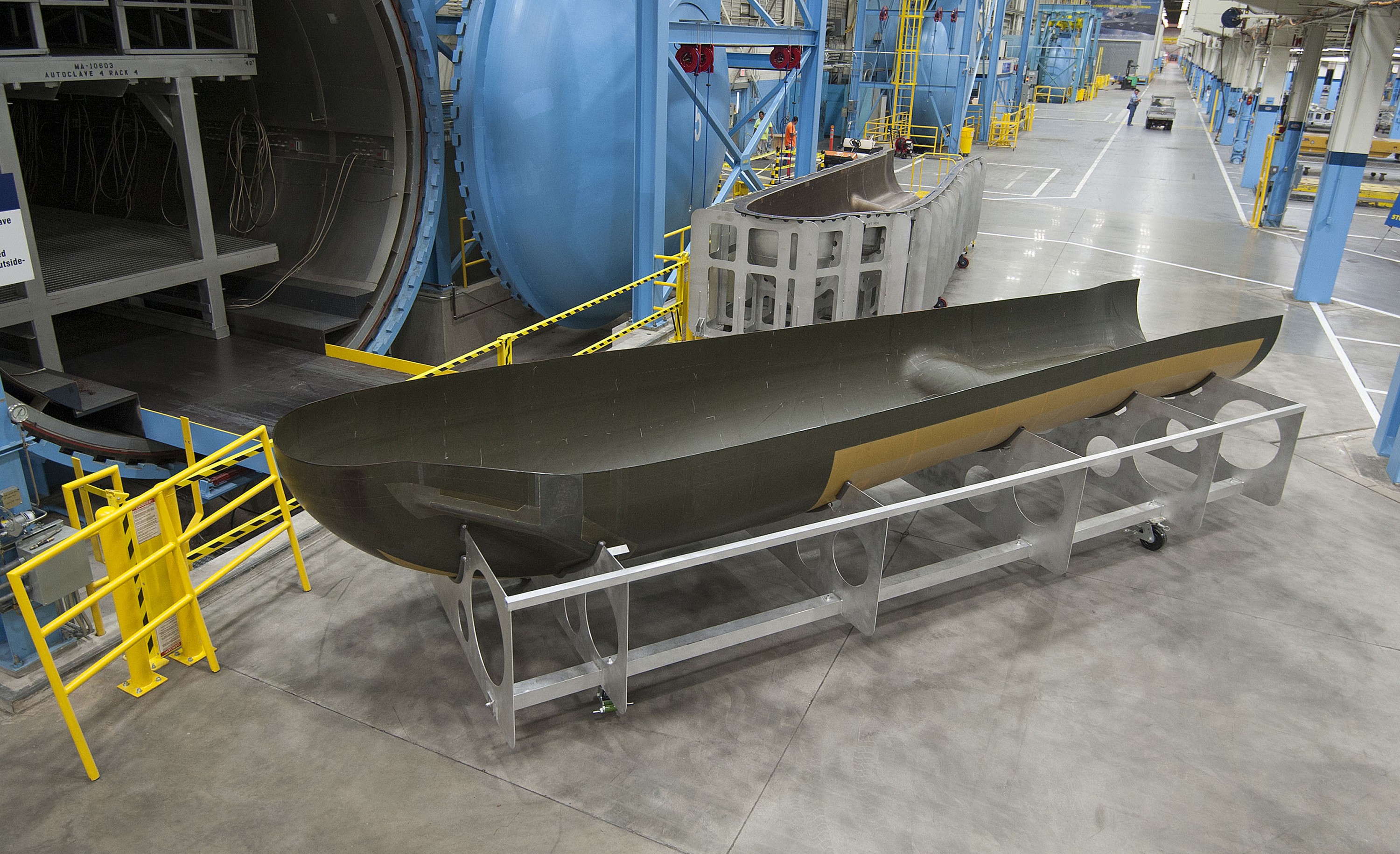 From here, the completed components are shipped to Lockheed Martin’s Aeronautics facility in Fort Worth, Texas for integration into the airframe and assembly. Designed to be launched into orbit atop a United Launch Alliance (ULA) Atlas V rocket and then fly back and land on its power, the Dream Chaser will carry a mix of cargo and up to a seven crewmembers to the ISS before landing on commercial runways anywhere in the world.
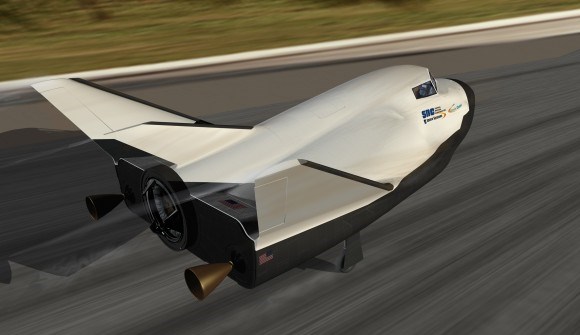 Dream Chaser measures about 9 meters (29 feet) long with a 7 meter (23 foot) wide wing span, and is about one third the size of the Space Shuttle Endeavor and all other NASA orbiters – which were retired beginning in 2011. Upon completion of the airframe manufacturing at Ft Worth, it will be transported to SNC’s Louisville, Colorado, facility for final integration and assembly.
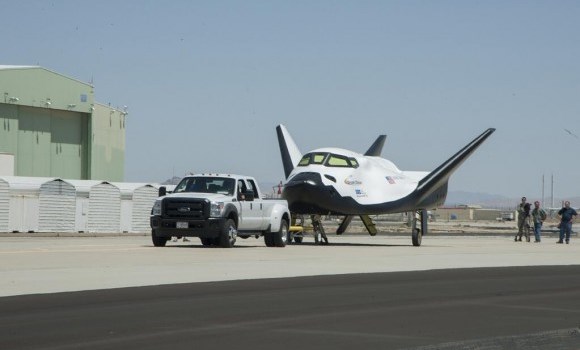 Dream Chaser is among a trio of US private sector manned spaceships being developed with seed money from NASA’s Commercial Crew Program in a public/private partnership to develop a next-generation crew transportation vehicle to ferry astronauts to and from the International Space Station by 2017 – a capability totally lost following the space shuttle’s forced retirement in 2011.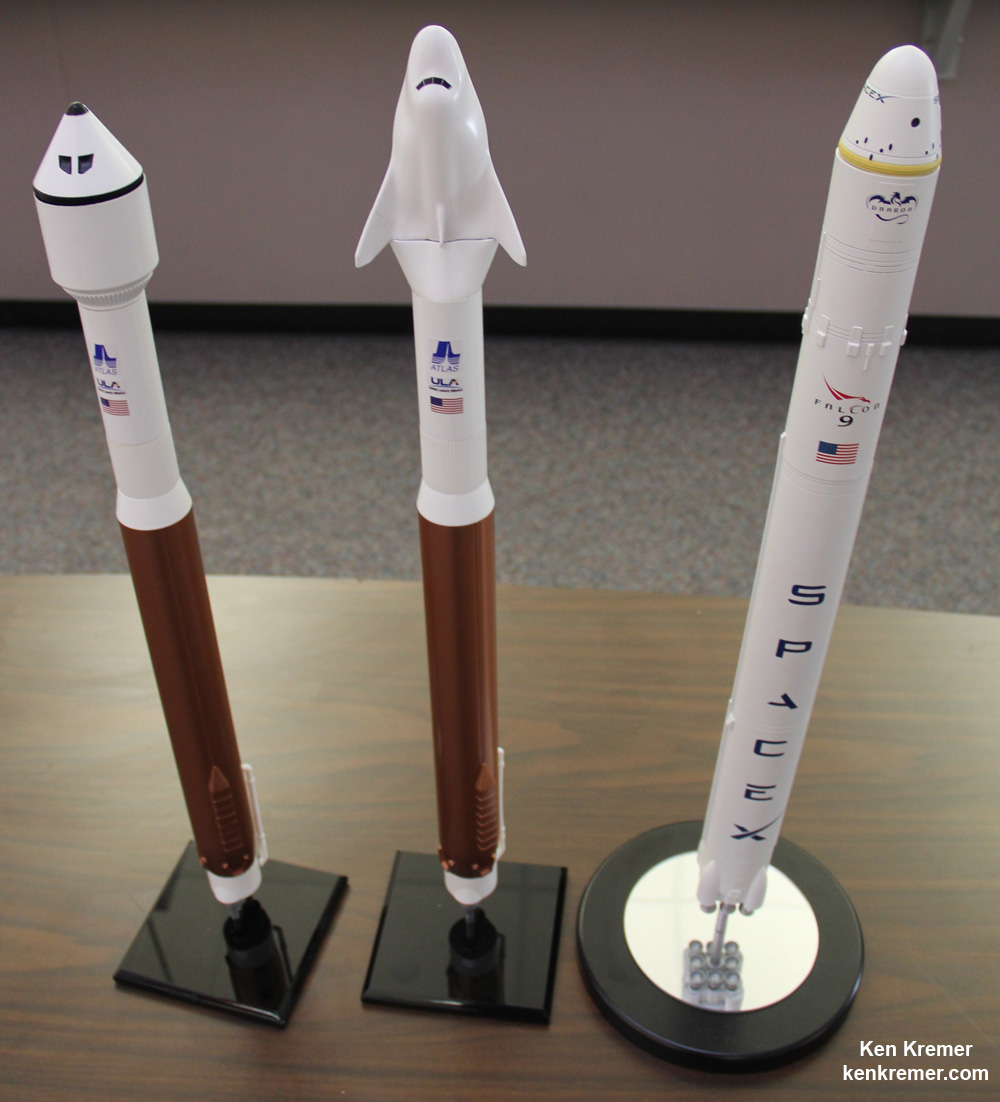


 As the US Investigations Services said on their website:





 Tomorrow’s cars could have a feature that will reduce wind drag and allow them to go faster: smart, morphing skins that form dimples or go smooth on command. It is all part of a growing field of mechanics that seeks to make surfaces “smart”, and it is being considered for everything from increasing aerodynamics to reducing the damage caused by hurricanes and high winds.
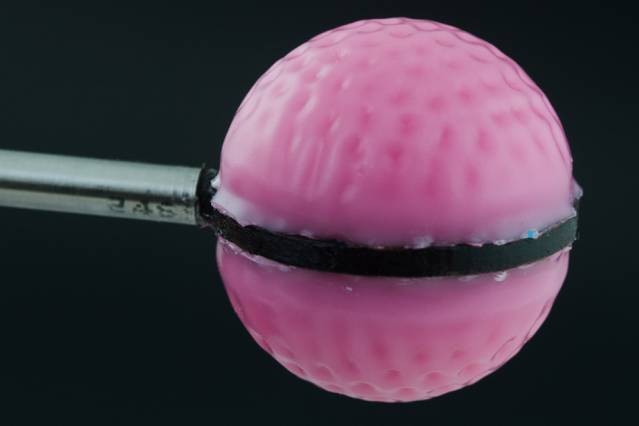 Scientists and golfers alike have long known that the dimples on the surface of a golf ball allow it to drastically reduce drag and travel much farther than would otherwise be possible. This happens because the small dents hold the airflow near the surface of ball for a longer time. This reduces the size of the wake, or zone of turbulence, as the ball takes off. However, the mechanics employed here are a bit more complex.




 The teams will first develop computer models that describe how neurons code memories, as well as analyzing neural signals in order to understand how targeted stimulation might help restore the brain’s ability to form memories. The UCLA team will use data collected from epilepsy patients that already have electrodes implanted in their brains to develop a model of the hippocampal-entorhinal system – known to be involved in learning and memory.


 Ultimately, what is needed in order to make precisely-targeted deep brain stimulation (DBS) possible is a real 3D model of the regions of the brain involved. Multiple efforts are underway, not the least of which are the work of Michele Tagliati’s group from the Movement Disorders Program in the department of neurology at Cedars-Sinai, or the
 The mission – called
  The couple’s drive to explore space was born in a giant glass dome near Tuscon, Arizona called Biosphere 2 in the early 90s. For two years (between 1991 and 1993), eight people – including Poynter and MacCallum – lived inside this dome as part of a prototype space colony. The eccentric, privately funded science experiment contained miniature biomes that mimicked Earth’s environments.
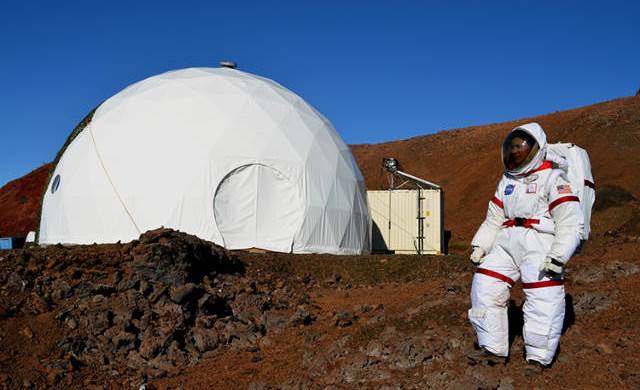
 MacCallum blogged about these plans while still living inside the dome, and managed to sign up Lockheed Martin aerospace engineer Grant Anderson as a co-founder, and signed legal papers with Poynter to incorporate Paragon. After Biosphere 2 project, both began working with a group from NASA to test an ecological experiment on the Russian Space Station MIR.
 Originally, Dennis Tito hoped to finance the project entirely independently, using crowd-sourced funds and philanthropy. The original goal was also to get the project off the ground by 2017, when Earth and Mars would align in such a way that a rocket could slingshot to and from Mars in just 501 days. But with further analysis, Tito and Paragon realized they did not have the resources or money to pull off the mission by 2017.
 And MacCallum believes a trip to Mars that would use these life support systems could inspire the next great generation of innovators, much as the Apollo missions inspired the current generation of innovators and astronauts. McCallum turned five on July 20th, 1969 – the day that Apollo 11 landed on the Moon, and credits that historic event for inspiring him to take an interest in space and enter the Biosphere 2 project.