It’s a rare angle for those who’ve been raised on a heady diet of movies where the robot goes mad and tries to kill all humans: an artificial intelligence using its abilities to help humankind! But that’s the idea being explored by researchers like Raul Rabadan, a theoretical physicist working in biology at Columbia University. Using a new form of machine learning, they are seeking to unlock the mysteries of flu strains.
Basically, they are hoping to find out why flu strains like the H1N1, which ordinarily infect pigs and cows, are managing to make the jump to human hosts. Key to understanding this is finding the specific mutations that transform it into a human pathogen. Traditionally, answering this question would require painstaking comparisons of the DNA and protein sequences of different viruses.
But thanks to rapidly growing databases of virus sequences and advances made in computing, scientists are now using sophisticated machine learning techniques — a branch of artificial intelligence in which computers develop algorithms based on the data they have been given — to identify key properties in viruses like bird flu and swine flu and seeing how they go about transmitting from animals to humans.
This is especially important since every few decades, a pandemic flu virus emerges that not only infects humans but also passes rapidly from person to person. The H7N9 avian flu that infected more than 130 people in China is just the latest example. While it has not been as infectious as others, the fact that humans lack the antibodies to combat it led to a high lethality rate, with 44 of the infected dying. Whats more, it is expected to emerge again this fall or winter.
Knowing the key properties to this and other viruses will help researchers identify the most dangerous new flu strains and could lead to more effective vaccines. Most importantly, scientists can now look at hundreds or thousands of flu strains simultaneously, which could reveal common mechanisms across different viruses or a broad diversity of transformations that enable human transmission.
Researchers are also using these approaches to investigate other viral mysteries, including what makes some viruses more harmful than others and factors influencing a virus’s ability to trigger an immune response. The latter could ultimately aid the development of flu vaccines. Machine learning techniques might even accelerate future efforts to identify the animal source of mystery viruses.
This technique was first employed in 2011 by Nir Ben-Tal – a computational biologist at Tel Aviv University in Israel – and Richard Webby – a virologist at St. Jude Children’s Research Hospital in Memphis, Tennessee. Together, Ben-Tal and Webby used machine learning to compare protein sequences of the 2009 H1N1 pandemic swine flu with hundreds of other swine viruses.
Machine learning algorithms have been used to study DNA and protein sequences for more than 20 years, but only in the past few years have scientists applied them to viruses. Inspired by the growing amount of viral sequence data available for analysis, the machine learning approach is likely to expand as even more genomic information becomes available.
As Webby has said, “Databases will get much richer, and computational approaches will get much more powerful.” That in turn will help scientists better monitor emerging flu strains and predict their impact, ideally forecasting when a virus is likely to jump to people and how dangerous it is likely to become.
Perhaps Asimov had the right of it. Perhaps humanity will actually derive many benefits from turning our world increasingly over to machines. Either that, or Cameron will be right, and we’ll invent a supercomputer that’ll kill us all!
I’m sure many of us recall what it was like saying goodbye to Futurama for the first time back in 2003. The final episode opened with its usual title shot and upbeat music, and the caption down at the bottom read “See you on some other channel”. And after six years of reruns on Adult Swim and four direct-to-video movies, that prediction came true.
In 2009, Comedy Central picked up the show and began running new episodes, and all the fans started thumbing their noses at Fox. Once again, the big bad network lost as a show it had canned for unclear reasons (some believed it had to do with Groening being “too liberal” for Fox’s taste) was brought back from exile. And for the next four years, we the fans got treated to new episodes of a favorite series.
And now, for the second time, we say goodbye to Futurama, which aired its last episode less than a week ago on Tuesday, Sept 4th, 2013. Naturally, I’ve been wanting to say something about it, but thought I would hold off until I finished watching the last episode. And now that that’s done, and my feelings are raw, I am free to spit some hot fire!
According to the industry buzz, the decision to discontinue the show was made exclusively by Comedy Central, which announced that it was finished with the series and would not be renewing for an eight season. Meanwhile, Matt Groening has said that he intends to continue with the series and get it picked up by another network, so fans can rest easy in the knowledge that the talent isn’t quitting, it’s was just some dumbass execs that decided to pull the plug!
And I for one have to wonder what the hell they are thinking. Who do they think they are, the Fox Network? Do they not recall the lashing those guysgot from Groening after they axed his show? In any case, the cast and crew once again chose to go out with a cheeky bang. This time around, the caption words “Avenge Us” appeared at the bottom of the screen as the opening scene began to roll!
Oh, we will, Mr. Groening! We will! In addition, this final episode chose to once again focus on the love story between Fry and Leila. You might recall how last time, the show ended with “The Devils Hands are Idle Playthings”, where Fry composes for Leila a holophoner song and the episode ends with an image of them kissing, holding hands and walking into the distance. Well to up the ante, this episode ended with Fry and Leila spending a lifetime together, and then going around for another pass! (sniff, sniff)
And in the meantime, I want to do a tribute piece for this awesome series and I’d like people’s help to make it happen. Since we collectively make up the fan community , I’d like to know from all of you what you thought was great about this show. What were the best episodes? What were the funniest moments? What were the saddest moments? Who were the greatest characters? And who do you think will pick it up for its third run?
Drop me a line and let me know what you think. And I think I speak for us all when I “say goodbye for now” to Futurama for the second time! Perhaps it’s denial, or just confidence in the show itself, but I got a feeling we’ll be seeing it again soon! 🙂
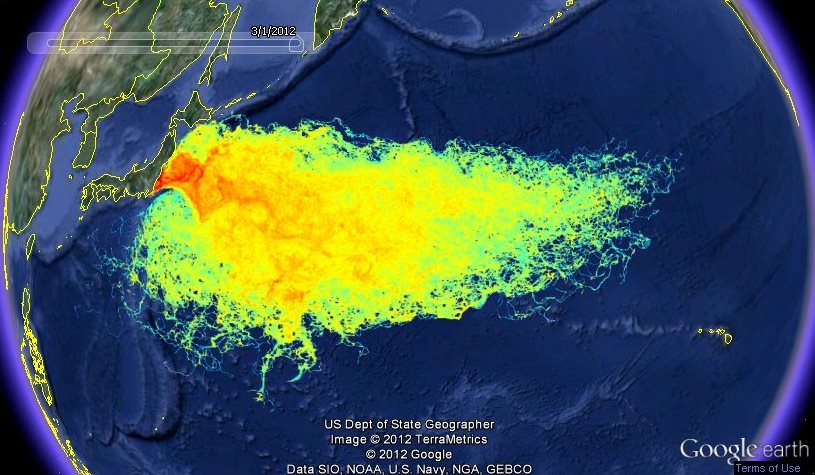
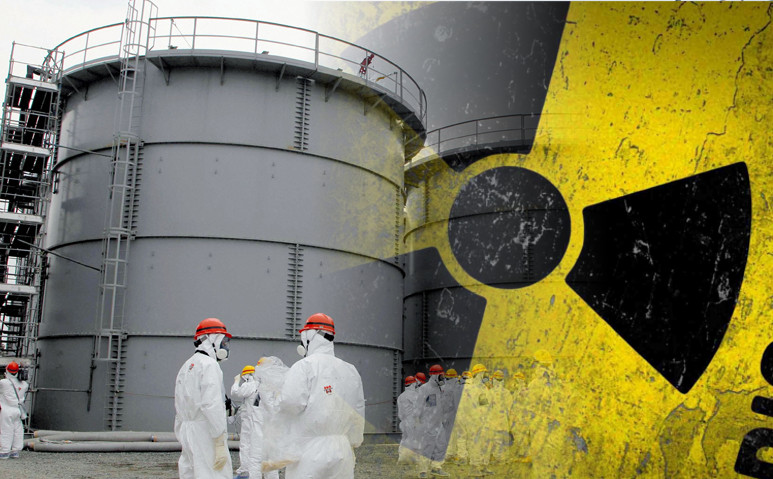
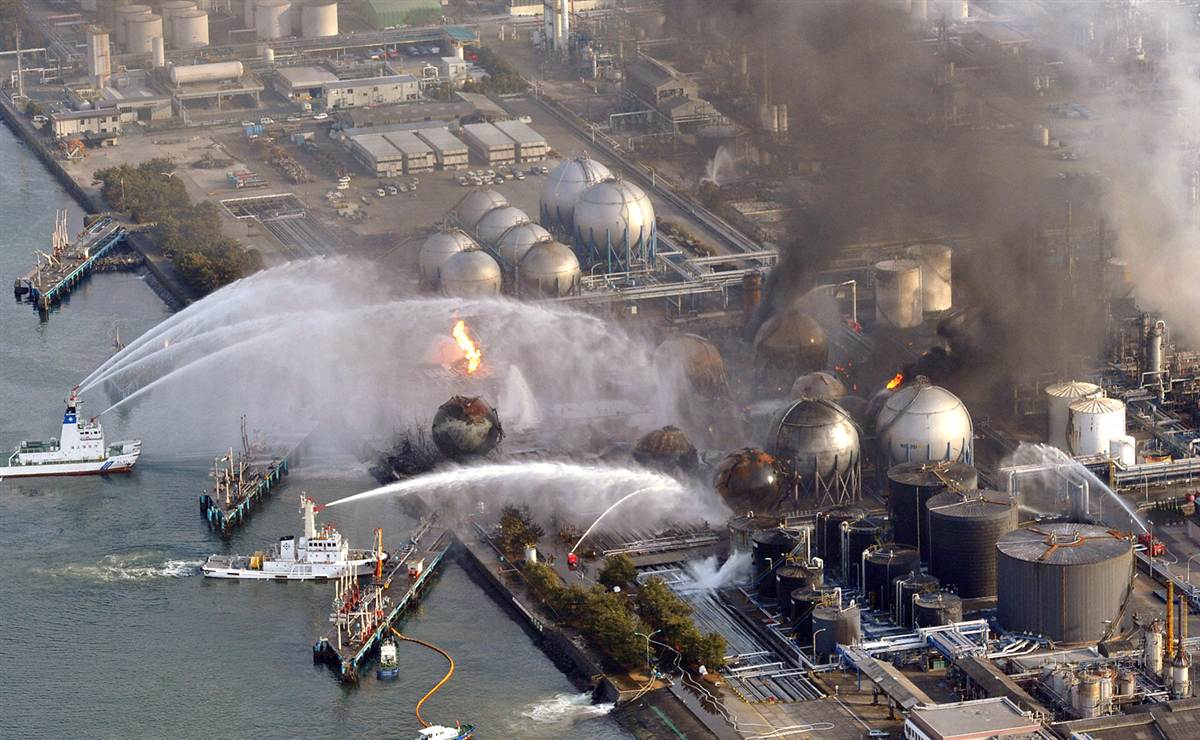
For years, scientists and environmentalists have worried about the long-term fallout of the Fukushima Dai-Ichi nuclear accident. And after a month of radioactive water leaking from the plant, the Japanese government has announced the construction of a giant, $470 million ice wall to stop it from filtering into the surrounding environment and the sea. This announcement was made shortly after another leak was discovered over the August long weekend.
This came only two weeks after Tokyo Electric Power Co. (TEPCO) revealed that some 300 tons of radioactive water had disappeared from a steel tank at the site. Shunichi Tanaka, chairman of the Japanese Nuclear Regulation Authority then announced at a press conference the following Monday that a small leak had sprung from a connecting pipe between some of the emergency storage tanks constructed in the wake of the tsunami.
TEPCO added that more radiation had been discovered near other storage tanks, pointing to the possibility of further leaks. Hence the decision to create a freeze wall, which would attempt to keep the leaks from getting into the groundwater and wreaking havoc all across the Pacific Ocean. According to the Associate Press:
The ice wall would freeze the ground to a depth of up to 30 meters (100 feet) through a system of pipes carrying a coolant as cold as minus 40 degrees Celsius (minus 40 Fahrenheit). That would block contaminated water from escaping from the facility’s immediate surroundings, as well as keep underground water from entering the reactor and turbine buildings, where much of the radioactive water has collected.
The project, which TEPCO and the government proposed in May, is being tested for feasibility by Japanese construction giant Kajima Corp. and is set for completion by March 2015.
Might sound a bit hokey, but this isn’t the first time that officials have tried using a giant frozen wall as a stopgap measure, or even the first time one was used to contain nuclear contaminants. In 1996, Tennessee’s Oak Ridge National Laboratory used an ice wall to keep radioactive waste from leaking into a creek.
In England and Wales, freeze walls have been used in mining operations for almost half century, and are being used to isolate arsenic trioxide leftover from an abandoned gold-mining operation in Canada’s Northwest Territories. And Moretrench, a company that worked on Oak Ridge, is creating a freeze wall pilot for containing contamination from the Albertan tar sands.
This latter project has served as a model for the current Fukushima freeze wall project. Earlier this year, TEPCO engineers also visited Hanford, Washington, to learn about nuclear containment techniques. There, engineers are still at work decommissioning the original nuclear reactors used to create plutonium for the atom bomb dropped on Nagasaki in 1945, and the government has spent $16 billion to clean up the leaks that have since resulted.
However, according to the Associated Press, the decision to put a freeze wall in place also appears to be motivated by the imminent deadline for the Olympic Committee to choose a city for the 2020 games. Since Japan is looking to host, any ongoing environmental issues could sully their chances. However, as far as long term containment goes, this option may prove effective at averting a long-term ecological disaster.
What’s more, if the cooling system to keep the barrier of insulated ice intact fails, any leaks or cracks will freeze to the wall, stopping the possibility of the further contamination. In addition, as demonstrated by the Oak Ridge Wall, an ice wall has incredible longevity. Years after it was decommissioned and remediated, the government was still hauling solid ice out of the ground.
So it would not be unreasonable to expect that it will hold long after the reactor leak is contained and worries about contamination are no longer an issue.
Virgin Galactic’s founder Sir Richard Branson has been working tirelessly for over a decade now in the hopes of realizing the dream of privatized space travel. And earlier this month, his company once again made history with the second rocket-powered supersonic test flight of its SpaceShipTwo craft. And in the process, it broke its previous records for speed and altitude, bringing it that much closer to its first commercial flight.
The flight test took place last Thursday at 8:00 am PDT, when the SS2 took off slung beneath the WhiteKnightTwo (WK2) carrier aircraft from Virgin Galactic’s Mojave Air and Space Port in California. The SS2 was then released from the carrier at 14,000 meters (46,000 ft) and the rocket motor burned for 20 seconds, pushing the spacecraft to an altitude of 21,000 meters (69,000 ft) and a maximum speed of Mach 1.43 (1,752 km/h, 1,088 mph).
According to the company, the tourism spacecraft went through its full technical mission profile in a single flight for the first time, including the deployment of its “feathering” re-entry mechanism at high altitude. This took place after engine shutdown and involved rotating the tail section to vertical, which slows the ship down and allows the shuttle to glide back home. The craft then landed in a controlled, unpowered glide at Mojave at 9:25 AM.
This flight builds on the success of the first rocket-powered supersonic flight that took place on April 29. Designed out of carbon composite, the space craft is powered by a hybrid rocket motor that uses solid rocket fuel and nitrous oxide as an oxidizer. Once test flights are complete, it will begin carrying six passengers on suborbital flights and will also have the option of deploying research equipment such as micro-satellites into Low-Earth Orbit (LEO).
Naturally, the CEO and founder, Sir Richard Branson, chose to mark the occasion with some choice words:
We couldn’t be more delighted to have another major supersonic milestone under our belts as we move toward a 2014 start of commercial service. It was particularly thrilling to see for the first time today the whole elegant system in action during a single flight, including the remarkable feathering re-entry system. It was this safety feature more than anything else that originally persuaded us that the overall design of the system was uniquely fit for purpose. Everything we have seen today just confirms that view.
Next year, if all goes well, Virgin Galactic will be conducting its first commercial flights, ferrying passengers into low orbit where they will experience several minutes of weightlessness before gliding back to Earth. In this, they are joined by such groups as KLM, Golden Spike and SpaceX in attempting to create the first set of commercial space flights which will one day bring people to and from orbit, and possible even the Moon.
And of course, Virgin Galactic was sure to capture the test flight on tape using a tail camera. It captures the engine burn, and then the near-vertical acceleration, as the craft puts planet Earth in its rear view and heads for atmo! Quite cool! Check it out:
Climatologists and environmental scientists have been cataloging the global warming trend for decades, examining multiple fields of data that show fluctuations over a period of eons. And despite what appears to be a consistent trend warming that has been taking place since the 18th century – when levels of atmospheric CO2 began to climb steadily – there have been anomalies in the data.
One period was the three decades that fall between the 1940’s and 1970’s when no significant terrestrial warming took place, and the Pacific Ocean was anomalously cold. The Pacific is somewhat of a wild card when it comes to our climate, since it is responsible for the weather patterns known as El Niño and La Niña that can swing global average temperatures by as much as 0.3 degree Celsius.
For the past decade or so the tropical Pacific has again gone cold and a new study suggests that it may once again be related to the recent “pause” in global warming of average temperatures. Although the past decade also qualifies as the hottest on record, the trend has been milder than expected, with average surface temperatures plateauing for many years.
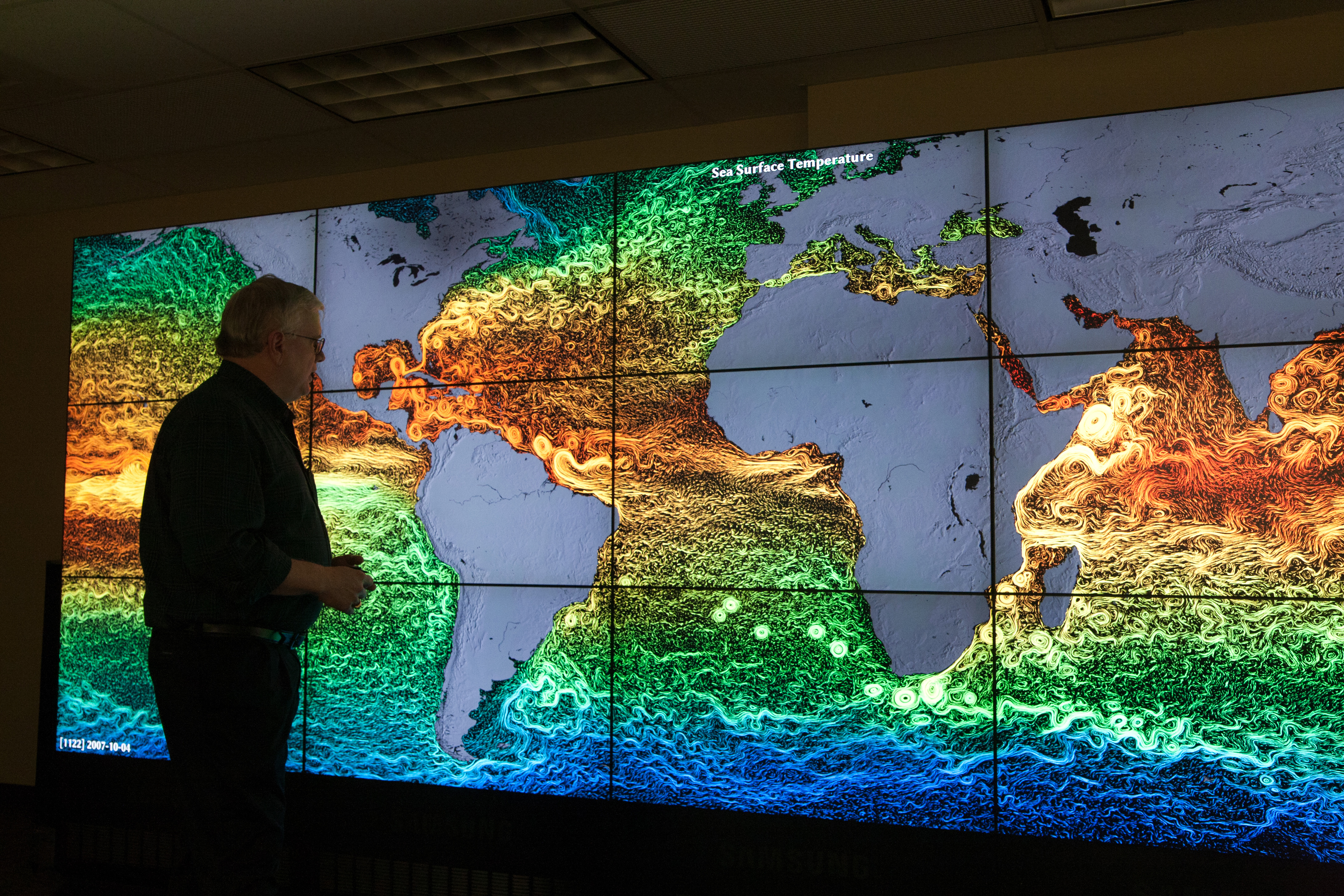
This is in stark contrast to the end of the 20th century, when rising concentrations of greenhouse gases in the atmosphere accelerated warming to new heights. To explain this, climate scientists Shang-Ping Xie and Yu Kosaka of the Scripps Institution of Oceanography at the University of California looked to the Pacific Ocean, using observable data and an advanced computer model.
The latter came from the US Department of Commerce’s Geophysical Fluid Dynamics Laboratory computer model of the oceans and atmosphere. By adding in sea-surface temperatures of an oceanic area covering roughly 8 percent of the globe, the researchers were able to mimic the recent hiatus in global warming as well as weather phenomena like the prolonged drought in the southern US.
The results were published in the Aug. 29th edition of Nature Magazine. In it, Xie observed that the “tropical Pacific is the engine that drives the global atmosphere and climate. There were epochs of accelerated and stalled warming in the past.” This included the pause in a global warming trend between the 1940s and 1970s, which has often been attributed to sunlight-blocking air pollution from Europe, the Soviet Union and the US.
Other factors have also been considered – volcanoes, an unusually weak solar cycle, air pollution from China – when looking at restraining trends in global warming. Some of the observed climate effects may also stem from other ocean dynamics such as variations in the mixing of surface and deep ocean waters. And the meltdown of significant ice from Greenland or Antarctica might even cool oceans enough to offset the extra heat trapped by rising levels of greenhouse gases for a time.
What is less clear at this point is what is driving cycles of cooling and heating of tropical Pacific Ocean waters. But it is clear that the cool Pacific pattern cannot persist forever to cancel out the extra heat trapped by rising CO2 concentrations, Xie notes. As climate modeler Gavin Schmidt of the NASA Goddard Institute for Space Studies recently stated:
We need updates to the forcings and a proper exploration of all the different mechanisms together. This has taken time but will happen soon-ish.
And despite any pause in the trend toward hotter temperatures, the first decade of the 21st century was still the hottest recorded decade since the 1880s, and it included record heat waves in Russia and the US as well as a precipitous meltdown of Arctic sea ice and surging sea level rise. Atmospheric concentrations of CO2 touched 400 parts per million on Mauna Loa in May, a first in the time line of human existence.
A cooler Pacific due to prolonged La Niña activity may have restrained global warming for the past decade or so, but it is unlikely to last. As Xie noted:
This effect of natural variability will be averaged out over a period of 100 years. and cannot argue away the threat of persistent anthropogenic warming that is occurring now.
These warnings are key since any changes or anomalous readings are often seized upon by Climate Change deniers as evidence that the problem does not exist, is not man-made, or is at least not as severe as otherwise predicted. But in the coming decades, even the most benign scenarios are still fraught with peril. If the worst is to be averted, extensive and positive changes need to be made now.
It’s been awhile since Whiskey Delta got a rave review over at Amazon. Sure, it got some good ones lately, but they really didn’t seem to take my mind off the few bad ones. Somehow, a person saying “this was good, but” doesn’t take the sting out of another person saying “this sucked!”
But a five star review with nothing but good things to say is something truly rare and wonderful. It came a few days ago and totally brightened my day:
Outstanding! (5 out of 5 stars): Brilliant Storytelling, Outstanding Military Adventure writing and, Most Importantly….Remarkable Characters that make it all matter. I’m anxiously awaiting the next book.
-noozman5
Another good thing about it is that it also served to encourage me to finish editing Papa Zulu, but in a good way this time. Rather than trying to get the next book out there, and corrected for grammar and typos in advance, I am actually eager this time to let a satisfied reader see what happens with the story.
Back with another video game review. And picking up where I left off last time (The Elder Scrolls IV: Oblivion) I’ve decided to follow up with its sequel – Skyrim! I was a bit late to the game with this one, having purchased it a few short months ago. But I’ve certainly had it long enough to appreciate it. All told, I’ve played it through twice, and bought all three expansion packs.
And let me tell you, its pretty damn awesome! In fact, I would even go as far to say that it is a big improvement on Oblivion. And since I loved that game and got endless hours of gaming enjoyment out of it, that’s hardly faint praise. But its true. In terms of the games interface, graphics, gameplay, storyline, quests, abilities, items, and detailed environments, everything looked, felt, and played better than the last one.
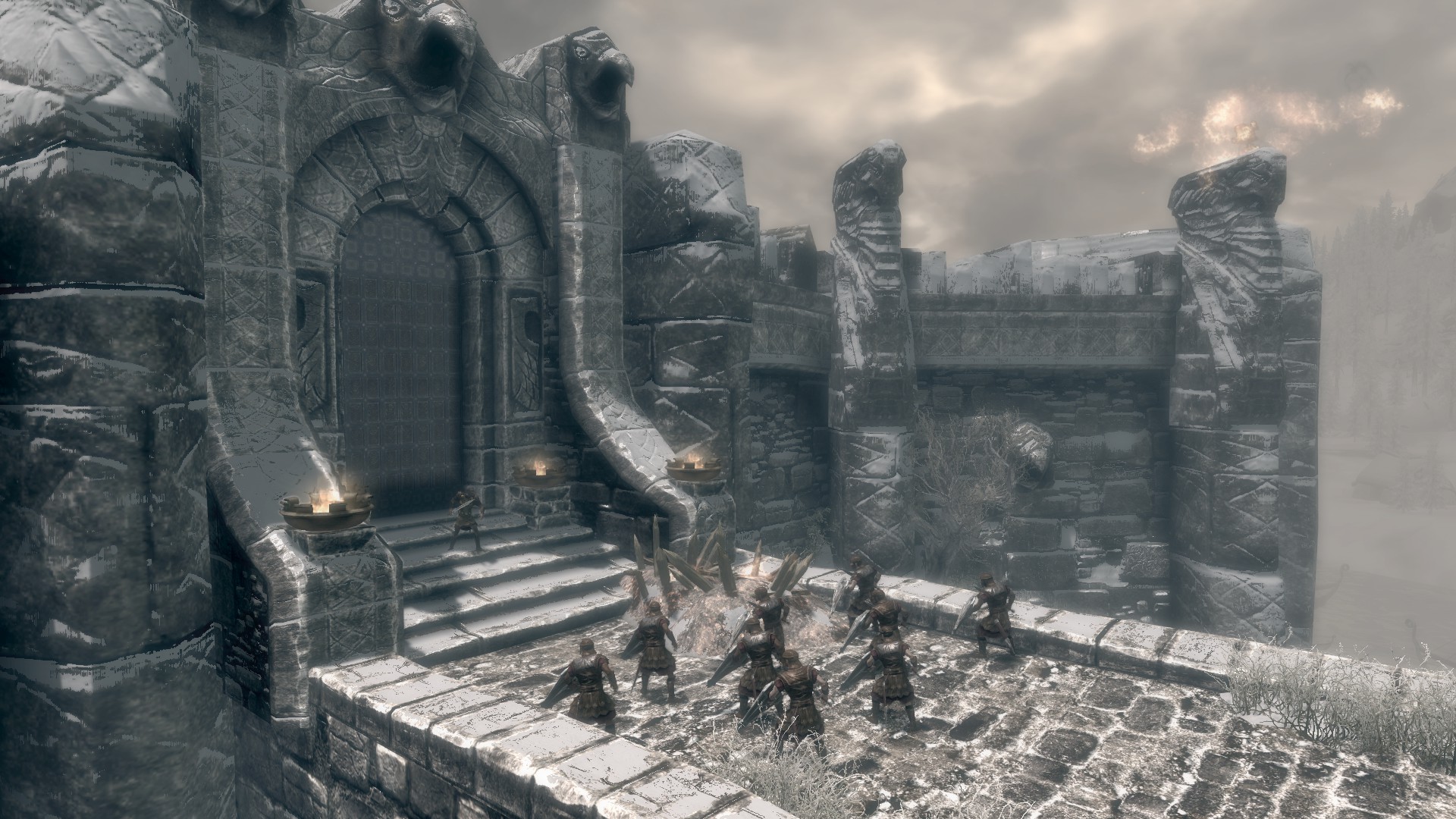
And as usual, the latest installment in the Elder Scrolls series takes place in a new province of Tamriel. As the name would suggest, the setting for this game is Skyrim, the cold, mountainous climate that is home to the Nords and the birthplace of the Empire. As always, the game is a platform for some serious worldbuilding, and the game makers spared no expense or effort to give Skyrim a realistic look, feel, culture and backstory.
And another major difference between Skyrim and Oblivion is the fact that this time around, there is not one but two main quests that are closely intertwined. Of course, there are countless secondary and additional missions that you can do, but the main plot lines have to do with the civil war that has engulfed Skyrim, and the return of the Dragons, an event foretold in the Elder Scrolls which signals the end of the world.
However, the focus is undeniably on the return of the Dragons, as well as the “Dragonborn” who’s return was also foretold. Basically, a Dragonborn is a person of Tiber Septim’s line who has dragonblood, and hence can speak the dragon language. Words in this language are known as “Word of Power” since to speak them is to unleash destructive and other magical powers.
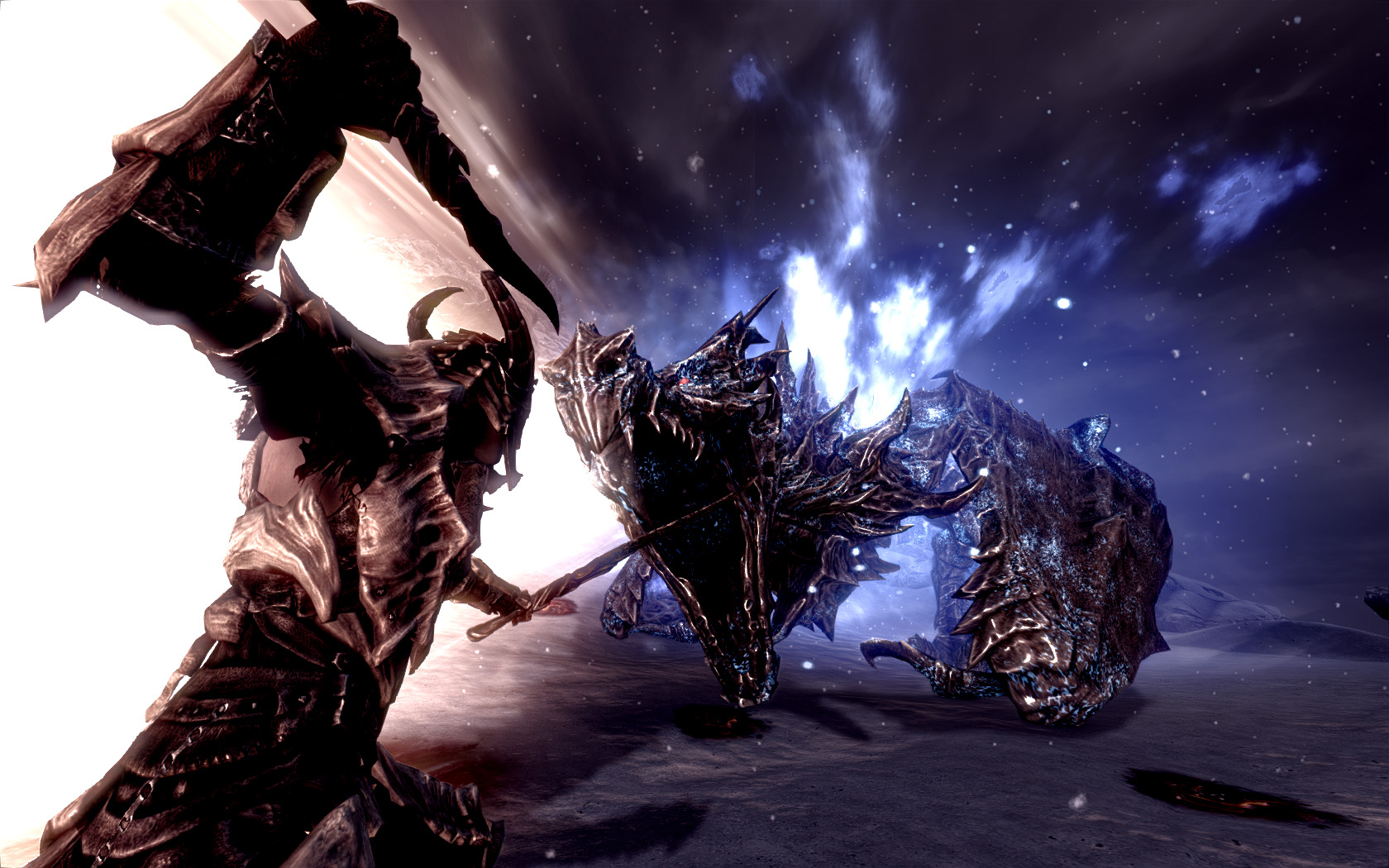
As the main character, you are Dragonborn, and have the option of learning and unlocking Words of Power as the game goes on. This is intrinsic to winning the game, since these words not only convey power, but are necessary in helping you to defeat the dragons.
Plot Synopsis: The story opens some two hundred years after the events of Oblivion where the Imperial Septim line ended, and Mehrunes Dagon was defeated. However, the Empire now finds itself in dire straights after being defeated in the Great War by the Altmeri Dominion. As you come to learn, this powerful faction – which was founded by the Thalmor (a group of High Elves) – declared war on the Empire over the worship of Talos (aka. Tiber Septim).
After losing the war some thirty years prior, the Empire formally signed a peace treaty known as the White-Gold Concordat which, amongst other things, forbade the worship of Talos within the Empire. This decision led to many Nords feeling like they had been abandoned by the Empire, and eventually led a Nord named Ulfric Stormcloak to mount a rebellion. This began when Ulfric killed High King Torygg, thus plunging the realm into civil war.
The game begins much as the last one does, with you being prisoner by Imperial Forces. As you quickly realize, you are being take alongside a group of Stormcloak rebels and their leader – Ulfric – to the nearby town of Helgen for sentencing. Though you were taken by mistake, the Legion decide to send you to the chopping block anyway. However, your beheading is interrupted when out of nowhere, a massive dragon shows up and begins laying waste to the town.
The dragon, you learn, is none other than Alduin, the mythic beast that was defeated in the First Age and who’s return to “eat the world” was foretold by the Elder Scrolls. Helgen and its defenders are quickly killed, but you manage to escape with either the help of a Legionnaire named Hadvor or a Stormcloak named Ralof. This choice will likely influence the main characters choice of which side to win in the war.
After escaping Helgen, you and your companion travel to the nearby town of Riverwood where you are asked to go to Whiterun – capitol of the Hold – and request aid from the Jarl. Jarl Balgruuf’s agrees, but asks for you assistance in retrieving the Dragonstone – an ancient tablet that marks the burial sites of all the old dragons. Apparently, the dragons have been rising from their graves to take on living form again, and it is happening all over Skyrim.
The stone resides inside Bleak Falls Barrow, and is protected by Draugr – a race reanimated mummified Nords. After fighting your way to the stone, you come upon a Dragon Word Wall, where you learn your first Word of Power. After returning to Whiterun, word reaches the Jarl that a dragon is attacking nearby, and you are asked to go and help. After defeating the dragon, the player absorbs its soul, and everyone realizes you are Dovahkiin – aka. Dragonborn.
After returning to Whiterun, the Jarl names you Thane of the Hold and gives you a Housecarl (bodyguard) and the right to buy property. Afterwards, you hear a Dragon Shout calling from on top of The Throat of the World – Skyrim’s tallest mountain. This is a summons from the Greybeards, an order of monks who live in seclusion in their temple High Hrothgar near the summit. Once you travel there, the Greybeards begin teaching you the “”Way of the Voice”.
This includes teaching you words of power and enhancing your Thu’um (your voice), as well as sharing the prophecy of Alduin’s return and how a Dragborn would emerge to do battle with him. As a further test, the Greybeards ask yo to retrieve the legendary Horn of Jurgen Windcaller. However, the player discovers the Horn has been stolen by another, who wishes to meet with the Dragonborn at Riverwood.
The thief reveals herself as Delphine, Riverwood’s innkeeper and one of the last surviving members of the Blades. She indicates that the Blades were once the guardians of the land against the Dragons, and she wishes to help in your quest. Together, you and Delphine travel to a Dragon burial mound where you witness Alduin reviving a Dragon, and must defeat him.
Afterwards, Delphine informs you that she thinks the Thalmor are behind the return of the Dragons. Not only have the Thalmor been hunting her and all other remaining Blades for some time, it stands to reason that they would stand to gain the most by helping the Dragons wreak havoc all over Skyrim and the Empire, as a prelude to renewed war.
Together, you hatch a plan to infiltrate the Thalmor embassy near Solitude and find proof of this. This consists of posing as a guest as a diplomatic party, and then sneaking off to search the embassy. After finding a series of diplomatic recrods, you learn that they are not behind the Dragon threat, but are searching for a man named Esbern, an archivist of the Blades Order.
Delphine then instructs the player to locate Esbern, who is known to be hiding in the sewers and ratways of Riften. This town is located on the opposite side of Skyrim, and is home to the notorious Black Briar family and the last known stronghold of the Thieves Guild. Together, the three of you then seek out Alduin’s Wall at Sky Haven Temple, where the prophecy of Alduin was originally written.
While the Blades set up in the temple, Esbern reveals that the ancient Nords used a special Thu’um against Alduin called “Dragonrend”, representing mankind’s comprehensive hatred for the Dragons, to cripple his ability to fly so they could engage him. To gain more information, you meets with the Greybeards again and they decide it’s time for you to speak with their leader, Paarthurnax.
Paarthurnax, as it turns out, is an ancient dragon who was once one of Alduin’s most feared generals. He reveals that Alduin was not truly defeated in the past, but was sent forward to an unspecified point in time by the use of an Elder Scroll in the hopes that he would get lost. Paarthurnax tells you you will need that Elder Scroll so you can peer into the past and learn the Dragonrend shout to defeat Alduin.
This latest mission takes you to the College of Winterhold, where you are forced to join to get information. You are then shown to Urag gro-Shub, an orc who runs the Arcanaeum – the College library. He directs you to Septimus Signus, a hermit who was driven mad by reading the Scrolls and who now lives in a outpost in an iceberg located on the nearby coast.
In his outpost, Septimus is working on a Dwemer Box, a massive combination box that contains a Dwemer artifact. He tells you that you must travel to the ruins of Blackreach, one of many ruins left behind by the highly advanced Dwemer civilization in Skyrim. He gives you the Attunement Sphere and the Blank Lexicon, which you will need to reach the Scroll once you reach the heart of the ruin.
This journey takes you deep underground, into a world of bioluminescent plants and terrifying Falmer creatures. Once you find your way to the heart of the ruin, you come upon a Dwemer Sphere, a massive combination structure that you must adjust a series of focal lenses in order to unlock. Once this is done, the Scroll is removed from the Sphere and given to you.
Taking the Scroll to the Throat of the World, you glimpse into the past and witness the heroes of the First Age engage and defeat Alduin using the Elder Scroll and the Dragonrend shout. With this knowledge, you then summon Alduin to do battle, and with the help of Paarthurnax, you defeat him and send him fleeing to Sovengarde – the Nordic afterlife. You are told that you must go to face him there so that he can be defeated for all time.
The only way for you to travel after him is to trap a dragon and force them to bring you to Alduin’s lair, from which you may travel to Sovegarde to face him. This involves asking the Jarl of Whiterun to use his great hall – the Dragonsreach – which was originally constructed to trap a dragon. The Jarl is reluctant to do this while the war rages on, which either requires that end the war first, or ask the Greybeards to mediate a temporary cease fire in the war.
In between all of this, there is the second major quest, which involves taking sides in the civil war. As Hadvor tells you at the beginning, the best way to contend with the returning Dragons is to join the Legion and use their resources. But Ralof will urge you to join the Stormcloaks as a “true son of Skyrim”. Depending on which side you choose, you are either required to travel to the capitol of Solitude, or to the Stormcloaks seat of power in Windhelm to sign on.
Once you’ve taken a side, battle is joined, and your first mission is either to lead the defense of, or assault, Whiterun. As Thane of the city, this will either mean upholding your oath of office, or betraying it in service of your new liege lord, Ulfric. In either case, this is the first of many battles, which are followed by missions to various forts to seize strategic passes, culminating on a siege of the enemy’s stronghold.
As you progress, you are given higher and higher ranks in the army and entrusted with tasks of increasing importance. At the end of the Imperial campaign, you and General Tullius and Legate Rikke lead the assault into Windhelm and fight your way into Ulfric’s palace. After defeating him and his bodyguard, he asks that you – the Dragonborn – be the one to take off his head, as he thinks this will be more appropriate.
In the Stormcloak campaign, the war culminates in the siege of Solitude, where you, Ulfric, and Galmar Stone-Fist fight your way through the streets and to the Legion barracks and force the surrender of General Tullius and Rikke before executing them both. Ulfric then declares victory in the civil war and declares himself High King of an independent Skyrim.
With the civil war complete, the plot to trap a dragon in Dragons Reach takes succeeds and you manage to secure a dragon named Odahviing. He agrees to help you since many dragons are disenchanted with Alduin’s rule, and agrees to fly you to the portal to Sovengarde, which is located high in the mountains at an ancient fort called Skuldafn. Once there, you battle your way through Draugr and lesser dragons and enter.
Upon your arrival, you find your way to Ysgramor, the legendary Nord who, along with his Five Hundred Companions, drove the Elves out of Skyrim. Ysgramor informs the player that Alduin has placed a “soul snare” in Sovngarde, allowing him to gain strength by devouring the souls of deceased Nords. The player meets up with the three heroes of Nordic legend who defeated Alduin and, with their help, destroys the soul snare and defeats Alduin in combat.
The player then returns to the summit of the Throat of the World in which Paarthurnax and the other Dragons wait. Paarthurnax explains that even though Alduin is defeated, they are in no condition to celebrate for he was once their ally and is still one of their kin. Having asserted his authority over many Dragons, Paarthurnax convinces those loyal to him to leave Tamriel.
However, there is an alternate ending which takes place if the player obliged the Blades earlier in the game and killed Paarthurnax as punishment for his crimes while serving under Alduin. In this version, the player returns to the Throat of the World and speaks to Odahviing, who tells you that you have inherited Alduin’s position and that he will serve at your pleasure from now on.
Expansions: In this regard, Skyrim kicks the crap out of its predecessor. Whereas Oblivion had expansion packs which seemed good, but not great, Skyrim’s three packs really impressed the hell out of me! These included Dragonborn, Dawngaurd, and Hearthfire, each of which offers additional quests, items, and abilities; and not in the tack-on, lower-quality types offered by the last game.
In the Dragonborn expansion, you are tasked with traveling to Solstheim, an island off the eastern coast of Tamriel inhabited by Nords and Dark Elves. Once here, you learn that the last Dragon Priest and one-time ruler of the island, a man named Miraak, is attempting to take it over. Naturally, he sees your emergence as the latest Dragonborn as a threat, and you must do battle with him.
In order to do this, you must learn from the Skaal people of the island who possess specialized magic. It also requires you cut a deal with the Hermaeus Mora, the Daedric Prince of forbidden knowledge and Miraak’s apprentice. In exchange for getting the Skaal to surrendering their secrets to him, he gives you the ability to travel to the realm of Apocrypha and fight MIraak. In the end, Mora betrays him and offers you the chance to become his new apprentice.
Additional items offered in this package include Nordic weapons and armor, which are of superior quality to most offered in the game thus far. In addition, you also gain the abilities to create armor and weapons out of Stalhrim (an ice-blue mineral), Chiton, or bones- which includes dragon bones and dragon scales. These are pretty deadly and pretty frightening to behold! I should know, I know have a full suit and arsenal of them!
And then there is the Dawngaurd plug-in, where an ancient vampire clan is returning to Skyrim. As usual, this has to do with a prophecy foretold in the Elder Scrolls that tells of the coming of eternal darkness. The vampires that belong to Clan Volkihar, led by Lord Harkon, seek to actuate the prophecy by performing a ritual involving a mythic bow and a blood sacrifice.
After recruiting Harkon’s own daughter (Serana) to your side, you manage to obtain several more Elder Scrolls, the bow itself, and are then forced to travel to another mythic realm, and eventually confront Lord Harkon and his clan at Castle Volkihar off the north-western coast of Skyrim. Once complete, the Dawnguard returns to its old glory and you and Serana are made permanent members.
And last, but not least, is Hearthfire, where things get a little different. Instead of offering additional quests that have to do with other prophecies, Hearthfire gives you the ability to purchase land in Skyrim and build your own tailor-made houses on them. This requires you to amass building materials – such as quarried stone, wood, clay, and various iron components.
With these secured, you are then able to build a home from the ground up, adding different wings and special sections – which include a Great Hall, a Kitchen, an Alchemist Tower, Trophy Room, Storage, Cellar, Bedrooms, and Entrance Foyer. You can augment these further with furniture, furnishings, a stable, a carriage, a bard, a smelter, a forge, a shrine, and about a hundred other options.
Between Windstad Manor, in the salt marshes in Hjaalmarch, Lakeview Manor in the forests of Falkreath, and Heljarchen Hall in the Pale, you have the option to build three manors. And of course, you need a Housecarl to look after them and have your pick of three. And what’s also cool is that the expansion gives you the option to adopt two children, and you have your choice of four possible ones.
Having played them all, I can tell you that I enjoyed them all, particularly the first and third. If you happen to buy Skyrim, splurge and get the expansion packs!
Summary: As I said already, this game was absolute awesomeness! Much like Oblivion, the production value was extremely high, and it features the voices of several well-known actors. This includes actress Joan Allen who does the voice of Delphine, Max von Sydow as Esbern, and Christopher Plummer as Master Arngeir of the Greybeards. All of this goes real well with all the world-building and detailed environments.
What’s more, I liked how the two main quests were intertwined, the one very much dependent upon the other. This gives you a chance to engage in some immersive medieval-style warfare, and also provides an opportunity to fight it out with beasts several times your size. I was especially impressed with this last aspect, which is something you don’t see in the gaming world often.
In addition to dragons, there are also giants, mammoths, and giant anthropomorphic robots that defend the Dwemer ruins. In most games, going up against larger-scaled enemies can look and feel awkward. But here, it both looked and felt natural, and was mighty fun to play at. And of course, there were countless other enemies that were just as cool to fight.
But what I especially loved about Skyrim was the way they managed to once again create a realistic setting, with a world that contained a highly interactive environment, wind-blown snow, rustling trees and bushes, and people who looked and moved in realistic ways. And as always, the cultural aspects of the game, which included food, drink, literature, ingredients, and items that are peculiar to Skyrim’s culture, but also includes items from other provinces.
And like the last game, you have quests which are connected to the guilds. In this case, this includes the College of Winterhold, which is the holdover from the Mages Guild in Skyrim, and the Companions, which is the local version of the Fighter’s Guild. Joining them means taking on quests which will allow you to climb the ranks and take on their enemies, ultimately earning the position of leader. There are innumerable other quests, plus the ability to amass abilities and bonuses based on amassed experience.
And of course, you can amass property, money, and personal possessions galore. But unlike Oblivion, you also have the option of getting married. This can be to any central character from the story, and can even be same-sex, if you’re so inclined. Combined with the Hearthfire ability to adopt and build your own home, you have the ability to create an entire family in this game. Kind of like Second Life, only set in Tamriel. Way better!
Of course, I could go on and find more to praise about the game, but some things you just need to check out for yourself. Consider this my long-winded wringing endorsement! And just for fun, I thought I’d post the trailer since it was pretty impressive too:
Its finally here, after decades of promises and failures to deliver. And yes, this vehicle is probably not quite what you’re were envisioning when you heard the words “flying car”. But the Terrafugia Transition still fits the bill. Making its first appearance at the EAA AirVenture in Oshkosh, Wisconsin over the summer, the Terrafugia team conducted a demonstration that showcased what the vehicle can do.
This included two 20 minute test flights as well a demonstration of how the Transition’s wings can be folded up, which allows the Transition to roll around in one configuration and fly in another. Classed as a light sports plane by the United States Federal Aviation Administration (FAA), this ability also makes the Transition a road-legal vehicle.
Technically, it isn’t a flying car so much as a roadable airplane capable of carrying a pilot/driver and one passenger. But that’s what makes the concept so workable. With a plane that is capable of making its way through that “last mile” between a small airport and their destination, it eliminates the need for haulers and motor scooters to move planes into their hangar bays.
The plane is the result of seven years of development, and began flight testing just last year. Some modifications have been since to improve handling. And with some additional development, the Terrafugia could become the prototype for a Spinner-type flying vehicle and the mainstay of urban transport in the not-too-distant future.
In a public statement, the company behind the vehicle said:
Terrafugia made a dream come true at this year’s EAA AirVenture Oshkosh. The Transition performed its first public demonstrations for the aviation community during the show. Flown and driven by Phil Meteer, our Chief Test Pilot and Flight Test Coordinator, the Transition showed the crowd what it’s capable of on Monday (July 29) afternoon and Wednesday (July 31) evening. The 20-minute demonstrations included flight maneuvers over show center, converting from airplane to car, and driving along the flight line.
And of course, there’s a video of the flight demonstration. Check it out:
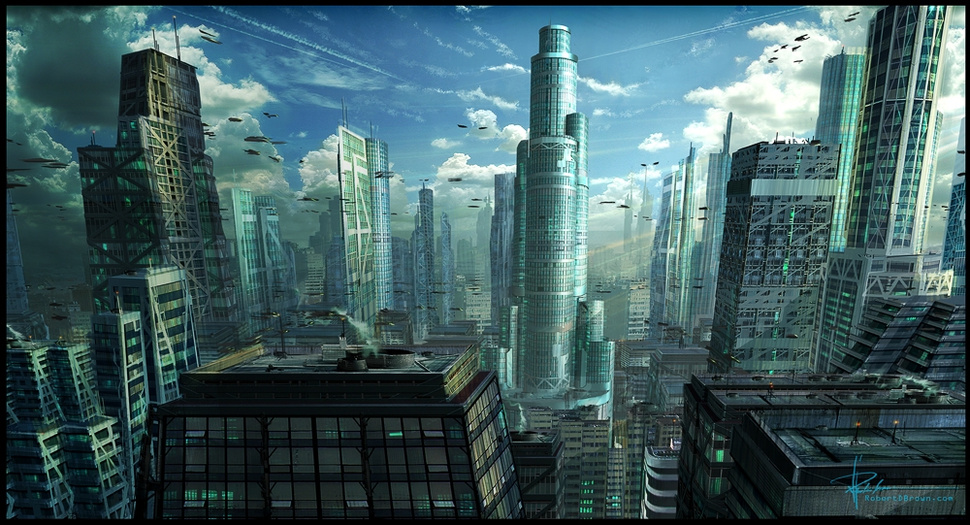
I love to study this thing we call “the future”, and began to do so as a hobby the day I made the decision to become a sci-fi writer. And if there’s anything I’ve learned, its that the future is an intangible thing, a slippery beast we try to catch by the tail at any given moment that is constantly receding before us. And when predict it, we are saying more about the time in which we are living than anything that has yet to occur.
As William Gibson famously said: “…science fiction was always about the period in which it was written.” At every juncture in our history, what we perceive as being the future changes based on what’s going on at the time. And always, people love to bring up what has been predicted in the past and either fault or reward the authors for either “getting it right” or missing the mark.
This would probably leave many people wondering what the point of it all is. Why not just wait and let the future tend to itself? Because it’s fun, that’s why! And as a science fiction writer, its an indispensable exercise. Hell, I’d argue its absolutely essential to society as a whole. As a friend of one once said, “science fiction is more of a vehicle than a genre.” The point is to make observations about society, life, history, and the rest.
And sometimes, just sometimes, predictive writers get it right. And lately, I’ve been inspired by sources like Future Timeline to take a look at the kinds of predictions I began making when I started writing and revising them. Not only have times changed and forced me to revise my own predictions, but my research into what makes humanity tick and what we’re up to has come a long way.
So here’s my own prediction tree, looking at the next few centuries and whats likely to happen…
21st Century:
2013-2050:
Ongoing recession in world economy, the United States ceases to be the greatest economic power
China, India, Russia and Brazil boast highest rates of growth despite continued rates of poverty
Oil prices spike due to disappearance of peak oil and costs of extracting tar sands
Solar power, wind, tidal power growing in use, slowly replacing fossil fuel and coal
First arcologies finished in China, Japan, Russia, India and the United States
Humanity begins colonizing the Moon and mounts manned mission to Mars
Settlements constructed using native soil and 3D printing/sintering technology
NASA tows asteroid to near Earth and begins studies, leading to plans for asteroid mining
Population grows to 9 billion, with over 6 living in major cities across the all five continents
Climate Change leading to extensive drought and famine, as well as coastal storms, flooding and fires
Cybernetics, nanotech and biotech leading to the elimination of disabilities
3D Construction and Computer-Assisted Design create inexpensive housing in developing world
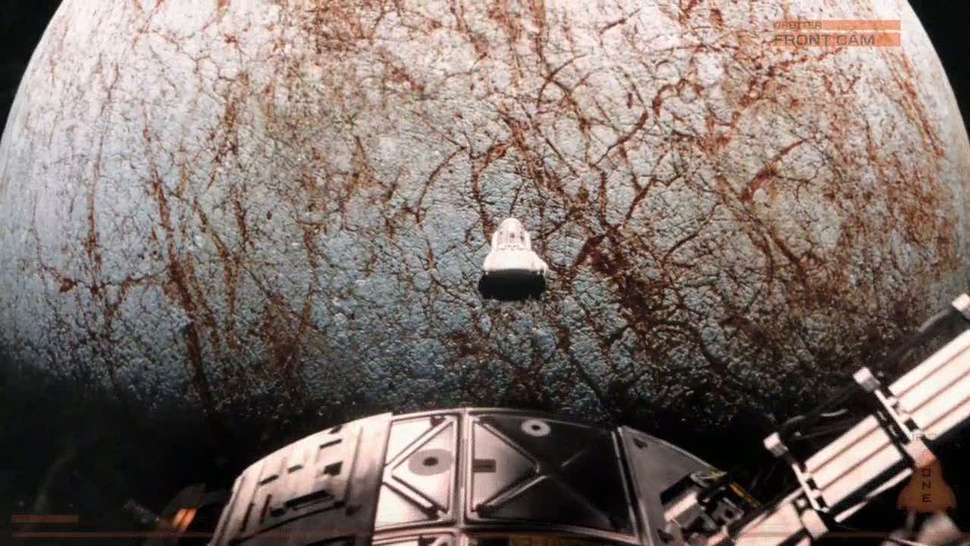
First exploratory mission to Europa mounted, discovers proof of basic life forms under the surface ice
Rome ordains first openly homosexual priests, an extremely controversial move that splits the church
First semi-sentient, Turing compatible AI’s are produced and put into service
Thin, transparent, flexible medical patches leading to age of “digital medicine”
Religious orders formed opposed to “augmentation”, “transhumanism” and androids
First true quantum computers roll off the assembly line
Creation of the worldwide quantum internet underway
Quantum cryptography leads to increased security, spamming and hacking begins to drop
Flexible, transparent smartphones, PDAs and tablets become the norm
Fully immersive VR environments now available for recreational, commercial and educational use
Carbon dioxide in the upper atmosphere passes 600 ppm, efforts to curb emissions are redoubled
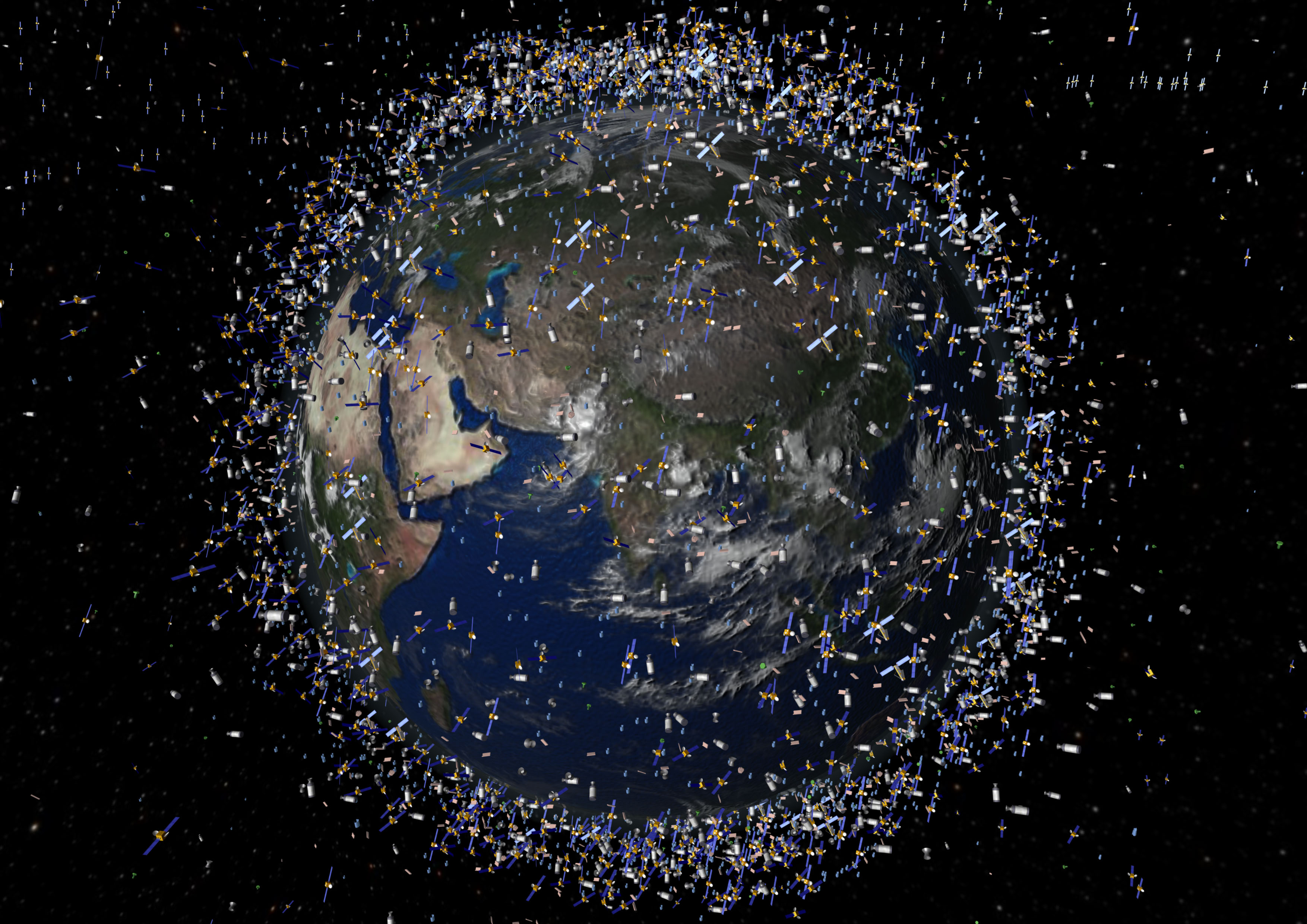
ISS is retired, replaced by multiple space stations servicing space shuttles and commercial firms
World’s first orbital colony created with a population of 400 people
2050-2100:
Global economy enters “Second Renaissance” as AI, nanomachinery, quantum computing, and clean energy lead to explosion in construction and development
Commercial space travel become a major growth industry with regular trips to the Moon
Implant technology removes the need for digital devices, technology now embeddable
Medical implants leading to elimination of neurological disorders and injuries
Synthetic food becoming the rage, 3D printers offering balanced nutrition with sustainability
Canada, Russia, Argentina, and Brazil become leading exporters of foodstuffs, fresh water and natural gas
Colonies on the Moon and Mars expand, new settlement missions plotted to Ganymede, Europa, Oberon and Titan
Quantum internet expanding into space with quantum satellites, allowing off-world connectivity to worldwide web
Self-sufficient buildings with water recycling, carbon capture and clean energy becomes the norm in all major cities
Second and third generation “Martians” and “Loonies” are born, giving rise to colonial identity
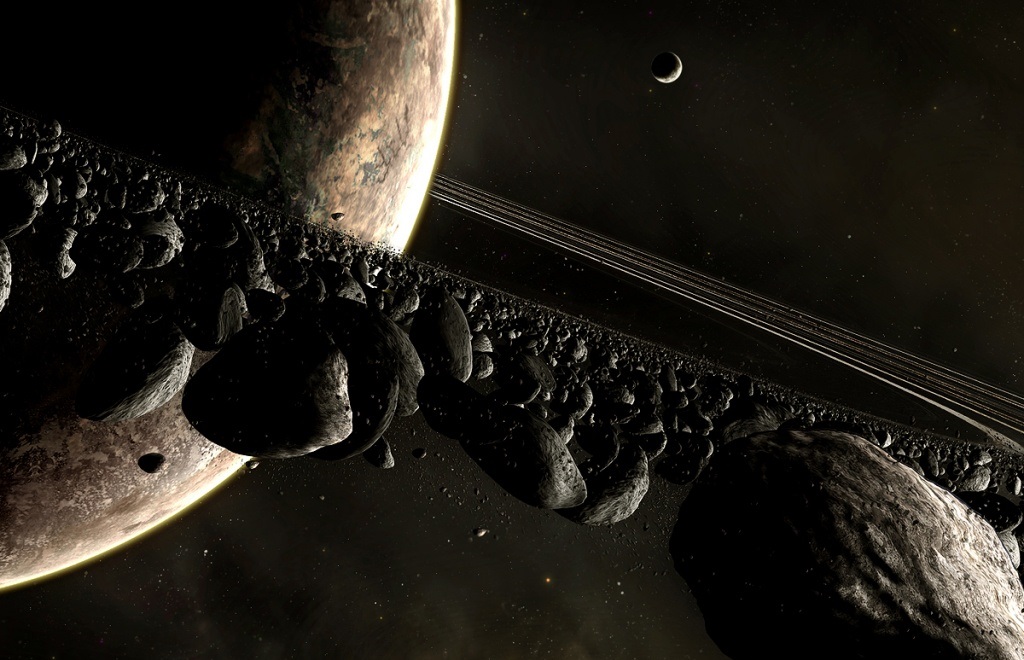
Asteroid Belt becomes greatest source of minerals, robotic foundries use sintering to create manufactured products
Europe experiences record number of cold winters due to disruption of the Gulf Stream
Missions mounted to extra-Solar systems using telexploration probes and space penetrators
Average life expectancy now exceeds 100, healthy children expected to live to 120 years of age
NASA, ESA, CNSA, RFSA, and ISRO begin mounting missions to exoplanets using robot ships and antimatter engines
Private missions to exoplanets with cryogenically frozen volunteers and crowdfunded spaceships
Severe refugee crises take place in South America, Southern Europe and South-East Asia
Militarized borders and sea lanes trigger multiple humanitarian crises
India and Pakistan go to war over Indus River as food shortages mount
China clamps down on separatists in western provinces of Xinjian and Tibet to protect source of the Yangtze and Yellow River
Biotechnology begins to grow, firms using bacteria to assemble structural materials
Fully sentient AIs created and integrated into all aspects of life
Traditionalist communities form, people seeking to disconnect from modern world and eschew enhancement
Digital constructs become available, making neurological downloads available
Nanotech research leading to machinery and materials assembled at the atomic level
Traditional classrooms giving way to “virtual classrooms”, on-demand education by AI instructors
Medical science, augmentation, pharmaceuticals and uploads lead to the first generation of human “Immortals”
Orbital colonies gives way to Orbital Nexus, with hundreds of habitats being established
Global population surpasses 12 billion despite widespread famine and displacement
Solar, wind, tidal, and fusion power replace oil and coal as the dominant power source worldwide
Census data shows half of world residents now have implants or augmentation of some kind
Research into the Alcubierre Drive begins to bear experimental results
22nd Century:
2100-2150:
Climate Change and global population begin to level off
First “Neural Collective” created, volunteers upload their thought patterns into matrix with others
Transhumanism becomes established religion, espousing the concept of transcendence
Widespread use of implants and augmentation leads to creation of new underclass called “organics”
Solar power industry in the Middle East and North Africa leading to growth in local economies
Biotech leads to growth of “glucose economy”, South American and Sub-Saharan economies leading in manufacture of biomaterials
Population in Solar Colonies and Orbital Nexus reaches 100,000 and continues to grow
Off-world industry continues to grow as Asteroid Belt and colonies provide the majority of Earth’s mineral needs
Famine now widespread on all five continents, internalized food production in urban spaces continues
UN gives way to UNE, United Nations of Earth, which has near-universal representation
First test of Alcubierre FTL Drive successful, missions to neighboring systems planned
Tensions begin to mount in Solar Colonies as pressure mounts to produce more agricultural goods
Extinction rate of wild animals begins to drop off, efforts at ecological restoration continue
First attempts to creating world religion are mounted, met with limited success
Governments in most developed countries transitioning to “democratic anarchy”
Political process and involvement becoming digitized as representation becomes obsolete
“Super-sentience” emerges as people merge their neural patterns with each other or AIs
Law reformed to recognize neural constructs and AIs as individuals, entitled to legal rights
Biotech research merges with AI and nanotech to create first organic buildings with integrated intelligence
2150-2200:
Majority of the world’s population live in arcologies and self-sufficient environments
Census reveals over three quarters of world lives with implants or augmentation of some kind
Population of Orbital Nexus, off-world settlements surpasses 1 million
First traditionalist mission goes into space, seeking world insulated from rapid change and development
Labor tensions and off-world riots lead to creation of Solar policing force with mandate to “keep the peace”
First mission to extra=Solar planets arrive, robots begin surveying surface of Gliese 581 g, Gliese 667C c, HD 85512 b, HD 40307 g, Gliese 163 c, Tau Ceti e, Tau Ceti f
Deep space missions planned and executed with Alcubierre Drive to distant worlds
1st Wave using relativistic engines and 2nd Wave using Alcubierre Drives meet up and begin colonizing exoplanets
Neighboring star systems within 25 light years begin to be explored
Terraforming begins on Mars, Venus and Europa using programmed strains of bacteria, nanobots, robots and satellites
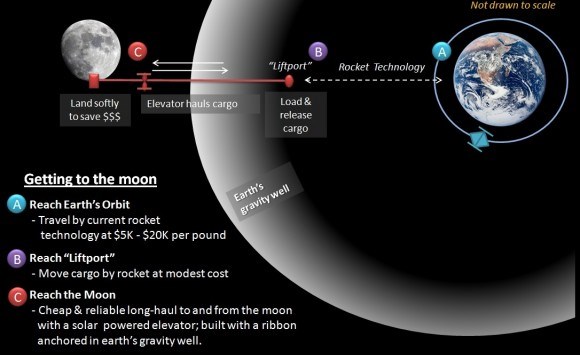
Space Elevator and Slingatron built on the Moon, used to transport people to space and send goods to the surface
Earth’s ecology begins to recover
Natural species are reintroduced through cloning and habitat recovery
Last reported famine on record, food production begins to move beyond urban farms
Colonies within 50 light years are established on Gliese 163 c, Gliese 581 g, Gliese 667C c, HD 85512 b, HD 40307 g, Tau Ceti e, Tau Ceti f
Off-world population reaches 5 million and continues to grow
Tensions between Earth and Solar Colonies continue, lead to demands for interplanetary governing body
Living, breathing cities become the norm on all settled worlds, entire communities build of integrated organic materials run by AIs and maintained by programmed DNA and machinery
23rd Century and Beyond:
Who the hell knows?
*Note: Predictions and dates are subject to revision based on ongoing developments and the author’s imagination. Not to be taken literally, and definitely open to input and suggestions.
The news that Caltech was developing a potential vaccine for HIV was considered one the biggest stories of 2012. And now, less than a year later, researchers at the Schulich School of Medicine & Dentistry at Western University in London, Ontario have announced that the vaccine not only passed its first round of clinical testing, but even boosted the production of antibodies in patients it was tested on.
The SAV001 vaccine is one of only a handful of HIV vaccines in the world, and is based on a genetically-modified ‘dead’ version of the virus. U.S. clinical testing began in the in March 2012, looking at HIV-infected men and women between the ages of 18 and 50. Half the target group was administered a placebo, while the other group was given SAV001. The first phase of trials wrapped up last month, with researchers optimistic about the vaccine’s future.
Dr. Chil-Yong Kang, a professor of microbiology and immunology and the head of the Western research team, explained the process in a recent interview with the Ontario Business Report:
We infect the cells with a genetically modified HIV-1. The infected cells produce lots of virus, which we collect, purify and inactivate so that the vaccine won’t cause AIDS in recipients, but will trigger immune responses.
This is the reverse of what researchers at Caltech did, who relied on a technique known as Vectored ImmunoProphylaxis (VIP) to stimulate antibody formation in lab mice. Here too, the researchers received immensely positive results. After introducing up 100 times the amount of HIV virus that what would be required to cause infection, the mice remained protected.
By demonstrating that not one, but two different methods of preventing the spread of HIV are effective, we could be looking at turning point in the war on HIV/AIDS. The only question is, when will a vaccine be commercially available? According to Sumagen, the South Korean biotech firm sponsoring the creation vaccine, manufacturing, as well as the USFDA requirements and other bureaucratic hurdles remain to contend with.
But, if all goes well with future trials, it could be commercially available in as little as five years. As CEO Jung-Gee Cho said in a press release:
We are now prepared to take the next steps towards Phase II and Phase III clinical trials. We are opening the gate to pharmaceutical companies, government, and charity organization for collaboration to be one step closer to the first commercialized HIV vaccine.
Paired with a possible cure which relies on nanoparticles and bee venom, we could even be looking at the beginning of the end of the pandemic, one which has caused between 25 and 30 million deaths worldwide since its discovery in 1981.
And in the meantime, check out this interview of Dr. Chil-Yong Kang as he explains how he and his research team developed their HIV vaccine, courtesy of the CHIR Canadian HIV Trial Network:

 It’s a rare angle for those who’ve been raised on a heady diet of movies where the robot goes mad and tries to kill all humans: an artificial intelligence using its abilities to help humankind! But that’s the idea being explored by researchers like Raul Rabadan, a theoretical physicist working in biology at Columbia University. Using a new form of machine learning, they are seeking to unlock the mysteries of flu strains.
 But thanks to rapidly growing databases of virus sequences and advances made in computing, scientists are now using sophisticated machine learning techniques — a branch of artificial intelligence in which computers develop algorithms based on the data they have been given — to identify key properties in viruses like bird flu and swine flu and seeing how they go about transmitting from animals to humans.
 Knowing the key properties to this and other viruses will help researchers identify the most dangerous new flu strains and could lead to more effective vaccines. Most importantly, scientists can now look at hundreds or thousands of flu strains simultaneously, which could reveal common mechanisms across different viruses or a broad diversity of transformations that enable human transmission.
 This technique was first employed in 2011 by Nir Ben-Tal – a computational biologist at Tel Aviv University in Israel – and Richard Webby – a virologist at St. Jude Children’s Research Hospital in Memphis, Tennessee. Together, Ben-Tal and Webby used machine learning to compare protein sequences of the 2009 H1N1 pandemic swine flu with hundreds of other swine viruses.
 As Webby has said, “Databases will get much richer, and computational approaches will get much more powerful.” That in turn will help scientists better monitor emerging flu strains and predict their impact, ideally forecasting when a virus is likely to jump to people and how dangerous it is likely to become.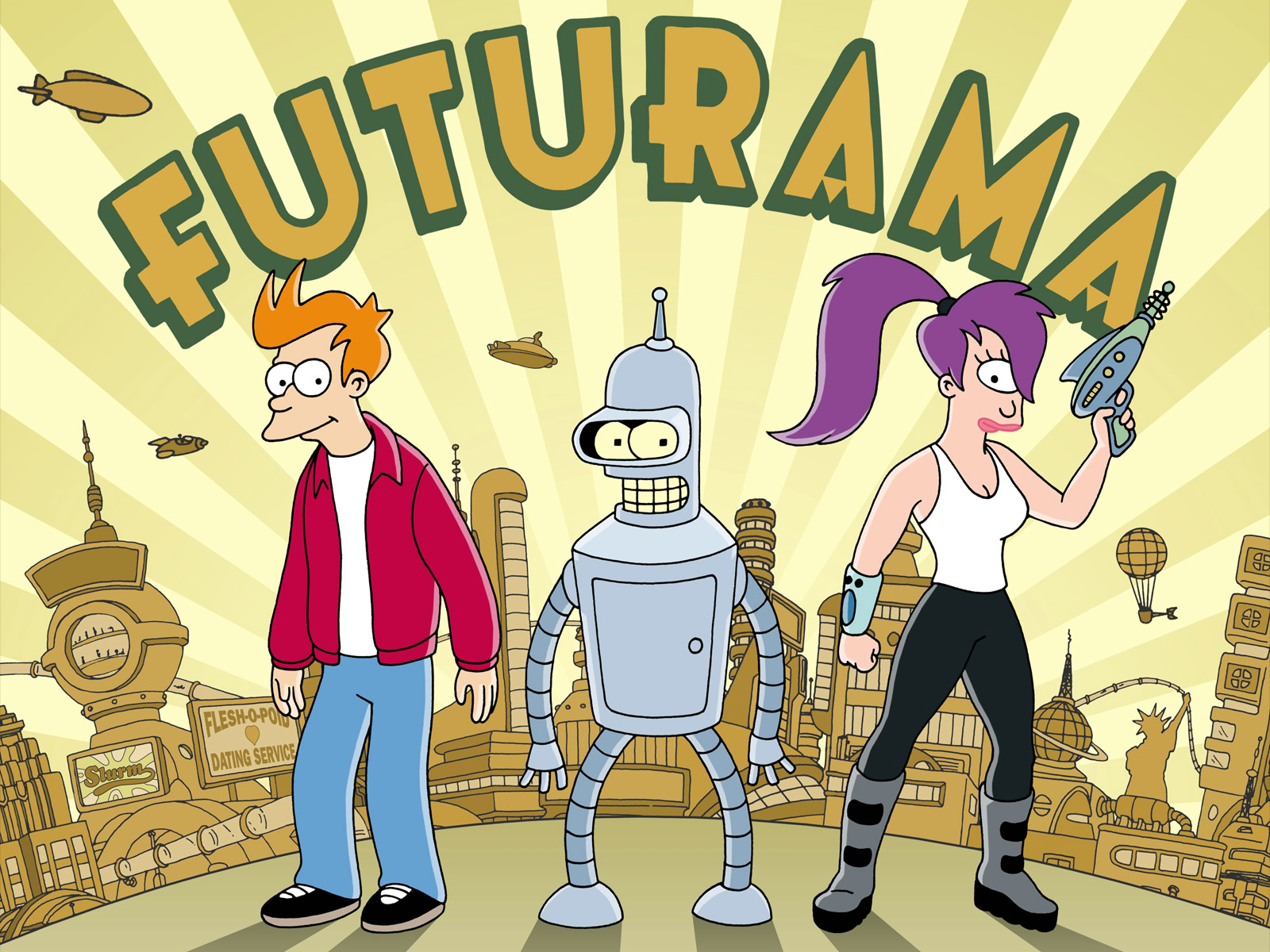

























 Stories by Williams