Feeding the Future: 3D Printing to End World Hunger?

3DfoodThe Systems & Materials Research Corporation, a 3D printing development firm, received a lot of attention after it became revealed that NASA had hired him (to the tune of $125,000) to develop a printer that could create pizza. Looking ahead to the era of deep-space exploration, NASA wanted something that could provide its astronauts with food that was tasty, nutritious, and not subject to a shelf life.

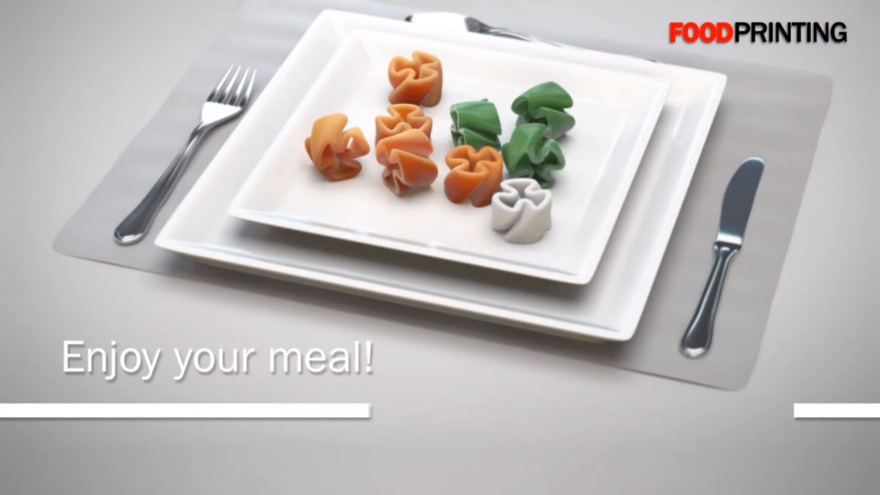
But to Anjan Contractor, the head of SMRC, 3D printing also presents a solution to a much more terrestrial problem: world hunger. He sees a day when every kitchen has a 3D printer, and the earth’s 12 billion people feed themselves customized, nutritionally-appropriate meals synthesized one layer at a time, from cartridges of powder and oils they buy at the corner grocery store.

3dfood1Contractor’s vision would mean the end of food waste, because the powder his system will use is shelf-stable for up to 30 years. Each cartridge, whether it contains sugars, complex carbohydrates, protein or some other basic building block, would therefore be fully exhausted before ever needing to be returned to the store. So in addition to providing for our daily needs, this process would also eliminate a massive proportion of the waste we generate on a daily basis.

In addition, the proliferation of food synthesizers is also likely lead to new and diverse ways of producing the basic calories on which we rely. Since a powder is a powder, the inputs could be anything that contain the right organic molecules. And with open source software, where people can upload and download recipes all the time, people will have a chance to get creative and expand the repertoire.
OLYMPUS DIGITAL CAMERAAnd in addition to alleviating hunger, there is the added (and arguably bigger) bonus of relieving pressure on the natural environment. Already, environmentalists are gravelly concerned about the amount of land that is consumed every year by urban sprawl. But even more disconcerting is the amount of land, forests, wetlands, and natural habitats, that are consumed and destroyed by the need to farm food for these environments, and dispose of their waste.

And he is hardly alone when it comes to the concept of turning powdered ingredients and pastes into food. The Dutch holding company known as TNO Research, which owns several technology firms, has also been contemplating the possibilities of turning any food-like starting material into an edible meal. According to an outline provided by their researchers, 3D printed meals of the future could include any of the following “alternative ingredients”:

  • algae
  • duckweed
  • grass
  • lupine seeds
  • beet leafs
  • insects

As long as the biological properties of the base materials are appropriate – meaning they have the requisite carbohydrates, protein, fatty acids, etc – than it should be possible to synthesize just about anything.
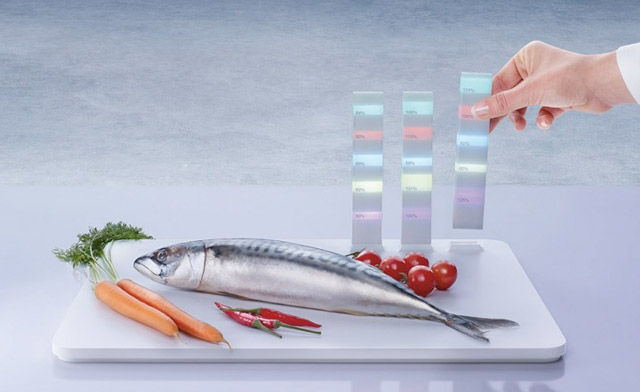
3dfood2In addition, companies like Philips and institutions like MIT have been working on the concept of food printers for many years. In Philip’s case, this research led to the creation of the Diagnostic Kitchen program. This led to ideas for a Food Printer, which was inspired by the concept of ‘molecular gastronomists’, chefs who deconstruct meals and then reassemble it in completely different ways.

In much the same way, a Food Printer would take various edible ingredients and then combine and ‘print’ them in the desired shape and consistency. The nutritional value and relevance of what was being ‘printed’ would also be adjusted based on input from the diagnostic kitchen’s nutrition monitor. If, for example, you were trying to carbo-load for an athletic event, wanted to build muscle, or lower your cholesterol, you could tweek the levels of carbs, protein, or fatty acids to suit your needs.

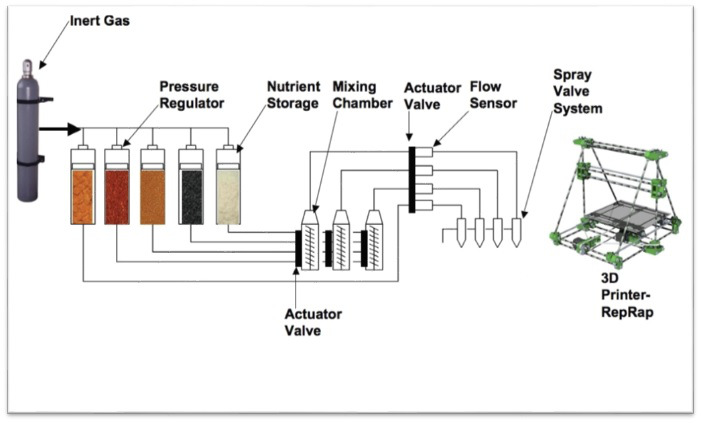
MIT_3DprinterAnd there’s the Cornucopia,  a 3D printer that was unveiled by MIT’s gastronomy geeks back in 2010. Here, a series of refrigerated food canisters provide the food ingredients, which are then deposited into a built-in mixer which delivers concoctions that can be either heated or cooled thanks to a temperature controlled print head. A touch screen allows users to dial in what they want, and adjust ingredients to get the desired end.

Granted, there are those who won’t likely see this as an appetizing prospect. But as Contractor notes, that’s probably because they haven’t tried the high-end stuff yet. As the technology improves, attitudes about printed food products are likely to change. What’s more, he also believes overpopulation might add a little incentive to the mix:

I think, and many economists think, that current food systems can’t supply 12 billion people sufficiently. So we eventually have to change our perception of what we see as food.

Quite right. When the world is bursting at the seems and so many people are forced to live together in close quarters, hardly anyone is likely to raise a fuss about assembled food. Not when the alternative is an empty belly or a planet that will collapse from the weight of so much farming and waste. So if you’re the kind of person who likes their meat, veggies and fruits to be farmed locally and organically, you may want to consider moving to the country!

And be sure to check out this concept video produced by NTO that showcases the future of 3D printing, which of course includes food production:


Source:
qz.com, popucity.net, geek.com

Latest in 3D Printing: Invisibility Cloaks and Mind-Controlled Printers

anti-grav3d3-D printing continues to grow by leaps and bounds, being used to generate anything from components and models to complex machines and living tissues. And as the technology improves, the applications continue to grow and coalesce with developments made in other fields of scientific research. And in the last month alone, there have been a number of announcements that have both scared and impressed.

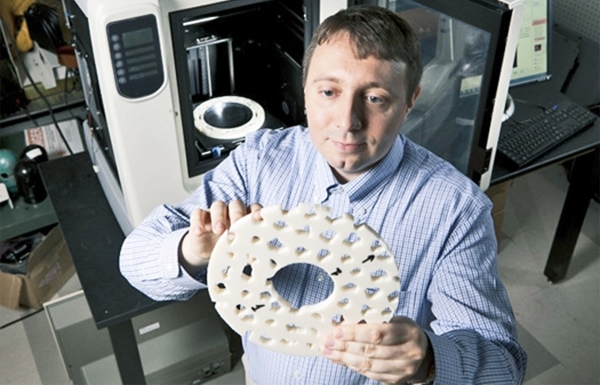
The first came from Duke University, where engineers have made yet another breakthrough. Seven years ago, they demonstrated their first “invisibility cloak” in a laboratory. Now, thanks to 3D printing, the fabrication process is a lot more accessible. And while invisibility might be a bit of a misnomer, that’s precisely what this object does as far as microwave radiation is concerned.

3dprinted_invisibilityThe object, which resembles a frisbee, has a large hole in the center, with seemingly random holes in the disc. The size, shape, and placement of these holes have actually been determined to disguise any object placed in the center hole from microwave beams, making it appear as though the object isn’t there. At present, the invention is limited in terms of practical use, but the design team believes this object has great potential.

According to Yaroslav Urzhumov, an assistant research professor in electrical and computer engineering at Duke, the technology could be used to create a polymer-based cloaking layer just 1 inch thick, wrapped around a much larger object. From this, they hope to eventually be able to create a material that will operate in higher wavelengths, including the visible light spectrum.

INVISIBILITY-CLOAKMeanwhile, the team’s creation of the disc using a 3-D printer means the technology is now much more accessible. Urzhumov went as far to say the he believes that anyone with access to a 3D printer will have the ability to create something similar at home. In time, this could mean anyone would have the ability to create a full-spectrum invisibility cloak at home too. Good news for anyone looking to hide from surveillance drones or cameras!

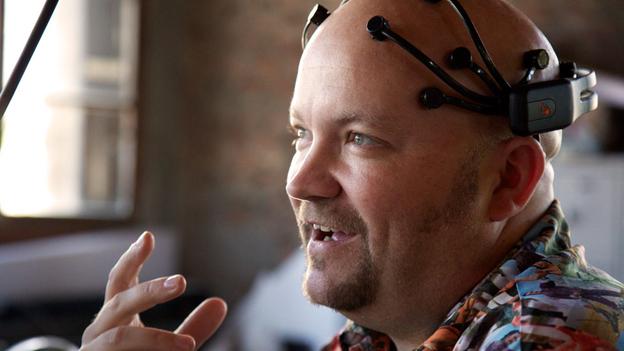
The second bit of news is even more impressive, and potentially frightening. It comes to us from Santiago Makerspace, a technology and design studio located in the heart of the Chilean capital where a designer created a 3D printed object using only their thoughts. The designer in question was George Laskowsky, Chief Technical Officer of Thinker Thing, a Chilean start-up that is developing a mind-controlled 3D printing system.

3dprinted_thought1The purpose behind Laskowsky’s work is simplification: while 3D printing has been growing and making design and fabrication easier and more accessible. However, mastering the design software is still a difficult challenge, especially for young children. That’s where Tinker Thing comes in, which seeks to develop the means to help children unleash their inner creativity.

Bryan Salt, CEO of Thinker Thing, expands on this, stating that there has not been enough work done on adapting the software for popular use. His company is looking to make it open and accessible so that it can be used to create items for one the largest markets for consumer products – children’s toys:

What is the point of these printers if my son cannot design his own toy? I realised that while there were a lot of people talking about the hardware of the printer no-one really seemed to be talking about how to actually use it.

3dprinted_toys1The software that makes this possible – Emotional Evolutionary Design (EED) – works by interpreting its users’ thoughts to make fantastical designs for toys and other objects. As part of the Monster Dreamer Project, Chilean children will get the first opportunity to try it out during tour of schools in the country at the end of this month.

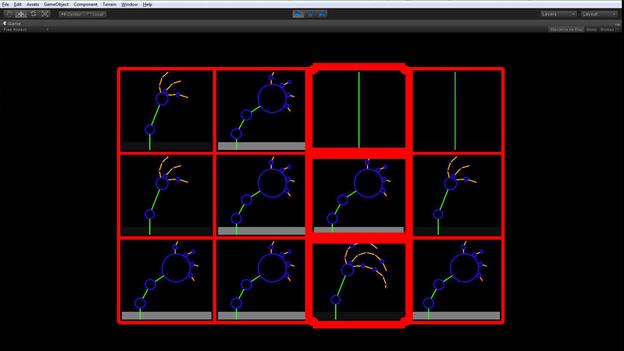
Combined with Emotiv EPOCH (an EEG headset), a computer and a 3D printer, the children running Monster Dreamer will be presented with a series of different body shapes in bubbles. These will mutate randomly, with built-in rules preventing them from becoming too abstract. As different brain states such as excitement or boredom generate specific patterns of brain activity, the computer can identify the shapes associated with positive emotional responses.

3dprinted_toysThe favored shapes will grow bigger on the screen, while the others shrink. The biggest shapes are combined to generate a body part, and the process is repeated for different body parts until the monster is complete. The final result should be a unique 3D model that is ready for printing as a solid object. In essence, a child will create a tailor-made toy based solely on their emotional reactions to what they see.

Amazing the direction things are taking, isn’t it? One of the greatest appeals of 3D printing is the way which it is making technology and industry far more accessible and open to people.What began with items that would only interest engineers and design firms is now expanding to include just about any type of consumer product we can imagine, and comes with the ability to tailor make them at home, giving the average consumer immense control over the process.

future-city3Though an individual printer may still cost more than the average person is willing to spend, in time, they will likely come down in price and become like any other computer accessory – i.e. printers, faxes, modems, wireless routers. What’s more, we are likely to see a situation where communal labs, such as those found in a university or internet cafe, come equipped with one in the next few years.

In a way, it would not be a fevered dream to imagine that this could very well be the curtain raiser for a new age, an age when the means of production is literally in the hands of every person. If we are capable of printing food and buildings as well as toys and components, we would also be looking at an age when scarcity is a thing of the past and society is truly democratic and open. And all without the need for violence and forcible redistribution…

I can’t tell you how preferable it is to think about this stuff and not the current pace and effects of Climate Change. Sometimes, the only way to have hope for the future is to keep things positive and contemplate the happier possibilities. Here’s hoping smarter heads and brighter prospects prevail!

Sources: cnet.news.com, bbc.com

3D Printing to Turn Aircraft Carriers Into Mobile Factories

nimitz-class-carrier-640x424It’s no secret that NASA has turned to 3D printing as a way of opening up new frontiers of space exploration and resolving potential problems – like building moon bases or feeding astronauts. And now, it seems that the only other organization that can rival the space agency in terms of funding and scale – the US Navy- has something similar in mind.

The US Navy already boasts most of the world’s largest moveable structures – the Nimitz-class aircraft carrier taking the cake. Whats more, modern aircraft carriers are basically floating cities already, complete with conventional manufacturing facilities to provide a good portion of what the crew might need while at sea. It therefore makes perfect sense to incorporate a high-quality 3D printer into the mix.

F_35_navyWhile the ultimate goal may be the ability to print actual replacement fighters and ordinance, the current plan is to incorporate printers that can print off replacement parts and possibly even small drones. With the technology already in place, it is not difficult to imagine a carrier, or perhaps even a large land vehicle, outfitted with a high-quality 3D printer, several tons of raw materials, and a few pre-fabricated cameras and circuit boards.

What’s more, this could also make transport of basic supplies more efficient, holding powder and casing materials separately and combining them to make bullets and munitions as needed, rather than storing them in a way that takes up vast amounts of space. Researchers at Virginia Tech even told the Armed Forces Journal that they believe 3D printing could produce high-quality propellants themselves – meaning an aircraft carrier could produce its own supplies of fuel and missiles.

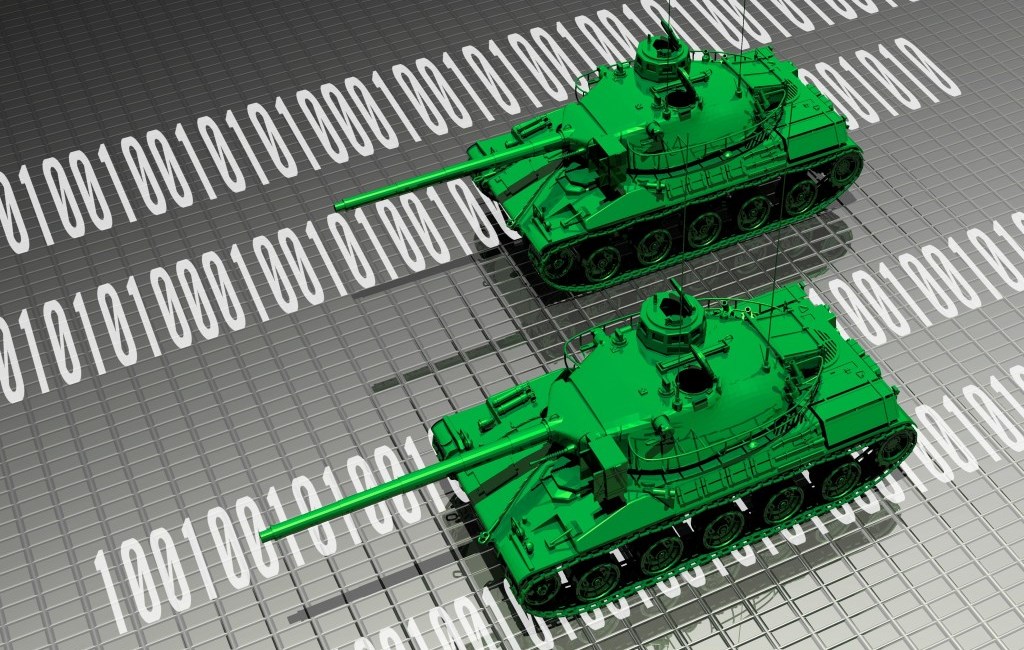
cyber-war-1024x843This idea drives home a number of things that are likely to become the mainstay with military technology. One is the increasing gap between the military haves and have-nots, and the increasing importance of cyber warfare in the modern world. No army or insurgent militia is likely to be able to withstand a mobile drone factory, nor is a nation that does not possess the technology be able to compete with one that does.

At the same time, simple defects, caused by cybernetic intrusion, could render such a mobile factory useless and counterproductive. In any future arms race between nations where 3D manufacturing is part of the arsenal, hacking will certainly be a factor. And last, but certainly not least, the ability to independently produce components, weapons and tools also opens up the possibility to create fully-autonomous ships and bases, complete with recycling programs that can turn waste into reusable raw material.

Cuban-Missile-CrisisSuch are the concerns of today’s military and all those who need to plan for the future. And as always, the prospects are frightening for all – not only because they make the nature of future conflicts uncertain, but because any serious advancement on one side is likely to cause others to scramble to get their hands on it as well. As any student of history knows, arms races lead to escalation and increased tension, and those rarely end well!

Source: extremetech.com

Food From Space: NASA’s 3D Pizza Printer

3DpizzaNASA has made some buzz with its announcement to print 3D pizza in space. And while this might sound like an awesome and appetizing use of the pioneering technology, it also has some pretty exciting implications for space exploration. For decades, astronauts have relied on freeze dried and thermostabilized food to meet their nutritional needs. But with 3D printing being considered, astronauts of the future could be using something akin to a replicator out of Star Trek.

Earlier this month, Quartz broke the news that NASA’s Systems & Materials Research Corporation received a $125,000 grant to spend six months building a prototype of a 3-D food printer- one that will be able to print out a tasty pizza before venturing on to other food items. According to his NASA proposal, the printer spits out starches, proteins, fats, texture, and structure, while the inkjet sprays on flavor, smell, and micronutrients.

3d-pizza_printerThe pizza printer is the brainchild of Anjan Contractor, a mechanical engineer at the Systems & Materials Research Corporation who has long worked on 3-D printing technologies. In an interview with Quartz, he explained the process:

It works by first “printing” a layer of dough, which is baked at the same time it’s printed, by a heated plate at the bottom of the printer. Then it lays down a tomato base, “which is also stored in a powdered form, and then mixed with water and oil,” says Contractor. Finally, the pizza is topped with the delicious-sounding “protein layer,” which could come from any source, including animals, milk or plants.

As already mentioned, astronauts currently rely on food that is freeze dried prepackaged so that it can be eaten in microgravity. Astronauts get supplies when necessary from the International Space Station, where cargo vehicles transport their “fresh” food. But future astronauts who go to more distant places, like Mars, won’t be able to resupply. And that’s where the Advanced Food Project really comes into play.

pizzaWhen considering missions to Mars and farther into space, multiple issues need to be addressed. Grace Douglas, an Advanced Food Technology Project scientist at NASA, explains what these are and how 3D food can address them:

This is the only food that the crew members will have, so it needs to maintain its nutrition content for the length of the mission, and it has to be acceptable. If they don’t want to eat it, they won’t eat enough… 3-D food printers are looking at providing powdered forms of ingredients, and these would not be processed ahead.

That’s a good thing: minimally processed food has more nutrients, and it’s tastier. It also allows for even more options than what’s available today. And to address another key problem – printing in microgravity – NASA already has the option of using some of the more advanced prototypes.

anti-grav3d2Consider the Mataerial, a recently-developed 3D printer that is capable of printing in zero-gravity. NASA is exploring other processing technologies outside of the 3-D printing realm as well. High-pressure processing, which uses high pressures with a low-heat treatment to sterilize foods, is one option. Another is microwave sterilization–a process that uses high-heat treatments for a shorter period of time.

These latter technologies would make fresh foods accessible by ensuring that they are perfectly sterile, thus removing the need for food that needs to be dried or processed in advance. While all three technologies are still in the early phases of development, Douglas and others expect that they will off the ground and running by the time a manned mission to Mars is being planned.

And space is really just the tip of the iceberg when it comes to printing food. Here on Earth, it is a potential solution for ending world hunger. But that’s another, very interesting story. Stay tuned for it…

In the meantime, watch this video of a 3-D printer creating chocolate:


Sources:
fastcoexist.com, qz.com

NASA’s Vision: Robots to Help Mine Asteroids

asteroid_mining_robotIn a recent study, NASA shared a vision that sounds like something out of a science fiction novel. Basically, the plan calls for the creation of robots that could be sent to a nearby asteroid, assemble itself, and then begin mining the asteroid itself. The scientists behind this study say that not only will this be possible within a few generations of robotics, but will also pay for itself – a major concern when it comes to space travel.

A couple of factors are pointing to this, according to the researchers. One, private industry is willing and able to get involved, as attested to by Golden Spike, SpaceX and Planetary Resources. Second, advances in technologies such as 3-D printing are making off-world work more feasible, which can be seen with plans to manufacture a Moon base and “sintering”.

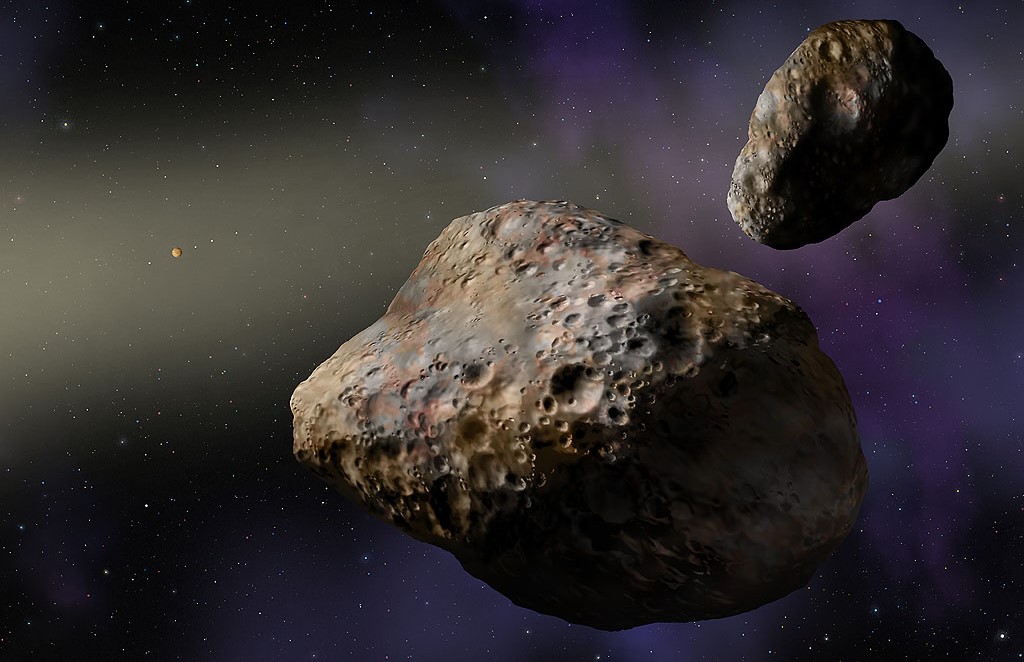
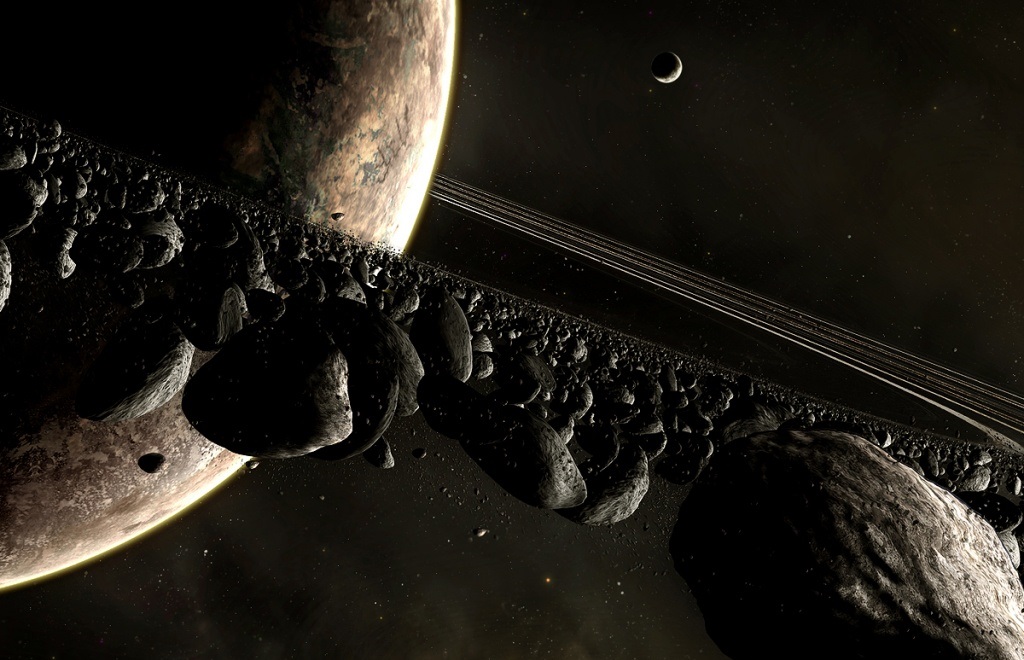
asteroidsBut also, humanity’s surveys of space resources – namely those located in the asteroid belt – have revealed that the elements needed to make rubber, plastic and alloys needed for machinery are there in abundance. NASA proposes that a robotic flotilla could mine these nearby space rocks, process the goods, and then ship them back to Earth.

Best of all, the pods being sent out would save on weight (and hence costs) by procuring all the resources and constructing the robots there. They caution the technology won’t be ready tomorrow, and more surveys will need to be done of nearby asteroids to figure out where to go next. There is, however, enough progress to see building blocks. As the agency stated in their research report:

Advances in robotics and additive manufacturing have become game-changing for the prospects of space industry. It has become feasible to bootstrap a self-sustaining, self-expanding industry at reasonably low cost…

asteroid_belt1Phil Metzger, a senior research physicist at NASA’s Kennedy Space Center, who led the study, went on to explain how the process is multi-tiered and would encompass several generations of progress:

Robots and machines would just make the metal and propellants for starters… The first generation of robots makes the second generation of hardware, except the comparatively lightweight electronics and motors that have to be sent up from Earth. It doesn’t matter how much the large structures weigh because you didn’t have to launch it.

A computer model in the study showed that in six generations of robotics, these machines will be able to construct themselves and operate without any need of materials from Earth.

asteroid_foundryAt least two startups are likely to be on board with this optimistic appraisal. For example, Deep Space Industries and Planetary, both commercial space companies, have proposed asteroid mining ideas within the past year. And since then, Planetary Resources has also unveiled other projects such as a public space telescope, in part for surveying work and the sake of prospecting asteroids.

And this latest research report just takes thing a step farther. In addition to setting up autonomous 3D manufacturing operations on asteroids, these operations would be capable of setting themselves up and potentially upgrading themselves as time went on. And in the meantime, we could look forward to a growing and increasingly complex supply of manufactured products here on Earth.

Source: universetoday.com

The Future is Here: Lab-Grown Burgers!

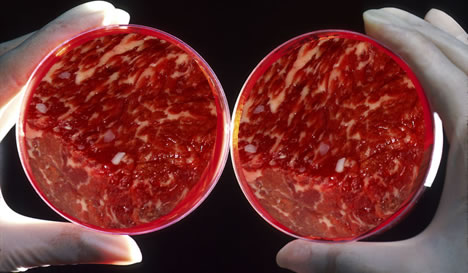
labmeat1Artificially-created meat has long been the dream of futurists and researchers, a means of solving world hunger and improving health at the same time. Efforts to create it using 3D printing are coming along, but another research firm has offered a different approach – in vitro grown meat. And at the same time, this lab-grown alternative offers consumers the chance to improve their health by eating something more nutritionally balanced.

The breakthrough comes to us from a group of researchers led by Mark Post, a Vascular Physiology professor at the University of Maastricht in the Netherlands. To make the burger, he and his team began with a kind of stem cell called a myosatellite cell that is taken from a cow’s neck. These cells are then placed in growth medium that the researchers have formulated to allow them to grow and divide. The resulting cells are grown into 20,000 strips of muscle tissue which are assembled into beef.

labmeat0This is an encouraging development for a number of reasons. First of all, a 2011 joint-research study between the University of Oxford, University of Amsterdam, and a number of environmental research organizations, cultured meat required up to 45 percent less energy and up to 96 percent less water to produce, generated up to 96 percent less greenhouse gases and, without animal herds of flocks to tend to, requires 99 percent less land.

Second, Post’s recipe for a lab-grown beef burger contains no fat, compared to its rather fatty organic  counterpart. And while fat is responsible for giving a burger much of its taste, Post insists that his recipe tastes “tastes reasonably good.” In the coming weeks Post plans on cooking his burger at an event in London where participants will try the in vitro meat – adding salt and pepper to taste.

labmeatHowever, the process is not completely devoid of reliance on actual cows. As already mentioned, the original stem cells that make the process possible have to come from a living cow. In addition, the muscle cells were grown in fetal calf serum, a necessity at this point since the process is still in its infancy. It’s hoped that in the future the burger can be produced without any material of animal origin.

And of course, the technology needs to become way more scalable before it can be considered viable. For example, between the cost of extracting the fetal cow tissue and turning it into meat in a lab, a single burger took roughly $325,000 to produce. But ultimately, this feat was all about pushing the boundaries and challenging notions of what is possible.

3d_meat In addition, as technology improves and the process is refined, costs will come down. And as Post said in an interview, the point of developing this process was to demonstrate that it can be done:

Let’s make a proof of concept, and change the discussion from ‘this is never going to work’ to, ‘well, we actually showed that it works, but now we need to get funding and work on it.’

While it may be several more years before in vitro burgers replace old fashioned farmed burgers, but the feat is a delicious victory for environmentalists and scientists alike in search for alternate ways to feed the world’s addiction to meat.

Funny, all this talk of lab-grown meat is giving me a sense of deja vu. Didn’t somebody write a story about this exact kind of thing not that long ago? Oh yeah… it was me! Well that’s just great, now I got to sue J.J. Abrams and the University of Maastricht? Lord, why do you torment me so?

Sources: singularityhub.com, pubs.acs.org

The Future is Here: Liver-Cells Made With 3D Printer

bioprinterOngoing developments in 3D printing have allowed for some amazing breakthroughs in recent years. From its humble beginnings, manufacturing everything from 3D models and drugs to jewelry, the technology is rapidly expanding into the realm of the biological. This began with efforts to create printed cartilage and skin, but quickly expanded into using stem cells to create specific types of living tissues. And as it happens, some of those efforts are bearing some serious fruit!

One such example comes to us from California, where the San Diego-based firm Organova announced that they were able to create samples of liver cells using 3D printing technology. The firm presented their findings at the Experimental Biology conference in Boston this past April. In a press release, the company said the following:

We have demonstrated the power of bioprinting to create functional human tissue that replicates human biology better than what has come before.

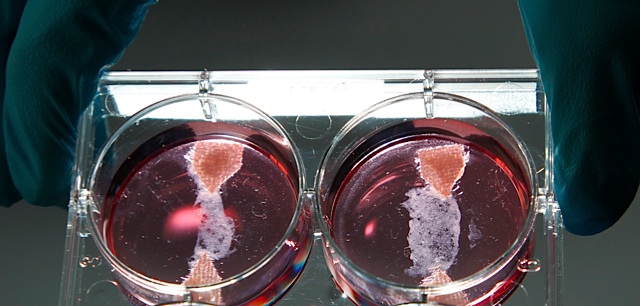
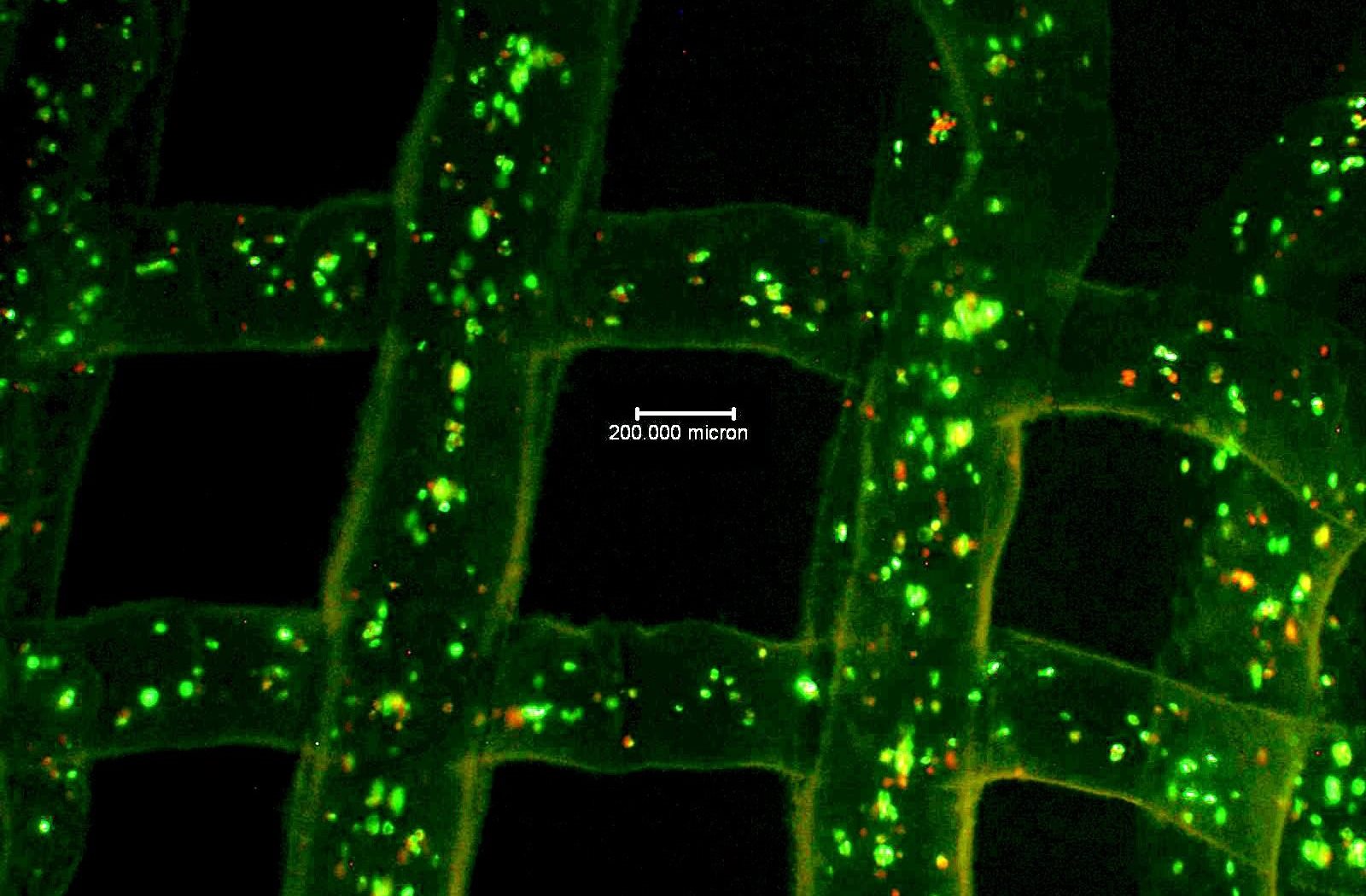
3dstemcellsThe company’s researchers used a gel and “bioink” to build three types of liver cells and arranged them into the same kind of three-dimensional cell architecture found in a human liver. Although not fully functional, the 3D cells were able to produce some of the same proteins as an actual liver does and interacted with each other and with compounds introduced into the tissue as they would in the body.

This latest breakthrough places Organovo, indeed all biomedical research firms, that much closer to the dream of being able to synthesize human organs and other complex organic tissues. And they are hardly alone in narrowing the gap, as doctor’s at the University of Michigan made a similar advancement last year when they used a 3D printer to build a synthetic trachea for a child with a birth defect that had collapsed her airway.

bioprinted heartAs scientists get more familiar with the technology and the process of building shaped, organic cells that are capable of doing the same job as their natural counterparts, we are likely to be seeing more and more examples of synthetic organic tissue. In addition, its likely to be just a few more years before fully-functional synthetic organs are available for purchase. This will be a boon for both those looking for a transplant, as well as a medical system that is currently plagued by shortages and waiting lists.

And be sure to check out this CBC video of Keith Murphy, CEO of Organovo, explaining the process of bioprinting:


Sources:
cbc.ca, wired.com

The Future of Cities and Urban Planning

future-city-1With the development of vertical farms, carbon capture technology, clean energy and arcologies, the future of city life and urban planning is likely to be much different than it does today. Using current trends, there are a number of people who are determined to gain some understanding of what that might look like. One such group is Arup, a design and engineering firm that produced a mockup that visualizes what urban environments will look like in 2050.

Based on the world as it is today, certain facts about the future seem relatively certain. For starters, three-quarters of the population will live in cities, or 6.75 billion of the projected 9 billion global total. In addition, everyone will have grown up with the Internet, and its successors, and city residents will have access to less natural resources than they do today, making regeneration and efficiency more of a priority.

Add to this several emerging technologies, and our urban environments are likely to look something like the building mockup below. As you can see, it has its own energy systems (“micro-wind,” “solar PV paint,” and “algae facade” for producing biofuels). There is an integrated layer for meat, poultry, fish, and vegetable farming, a “building membrane” that converts CO2 to oxygen, heat recovery surfaces, materials that phase change and repair themselves, integration with the rest of the city, and much more.

future_urban_planning

Most futuristic of all is the fact that the structure is completely modular and designed to be shifted about (by robots, of course). The building has three layer types, with different life-spans. At the bottom is a permanent layer – with a 10 to 20-year lifespan – which includes the “facade and primary fit-out walls, finishes, or on-floor mechanical plant” – and a third layer that can incorporate rapid changes, such as new IT equipment.

As Arup’s Josef Hargrave described the building when unveiling the design:

[A]ble to make informed and calculated decisions based on their surrounding environment… [a] living and breathing [structure] able to support the cities and people of tomorrow.

In short, the building is designed with personal needs in mind, based on information gleamed from a person’s behaviors, stated preferences, and even genetic information.

aircleaning_skyscraper3But what is even more interesting is how these buildings will be constructed. As countless developments are made in the field of robotics, biotechnology and nanotechnology, both the materials used and the processes involved are likely to be radically different. The rigid construction that we are used to is likely to give way to buildings which are far more flexible, adaptive, and – best of all – built by robots, drones, tiny machines and bacteria cultures.

Once again, this change is due mainly to the pressures that are being placed on urban environments, and not just technological advances. As our world becomes even more densely populated, greater proportions of people live in urban environments, and resources become more constrained, the way we build our cities must offer optimum efficiency with minimal impact.

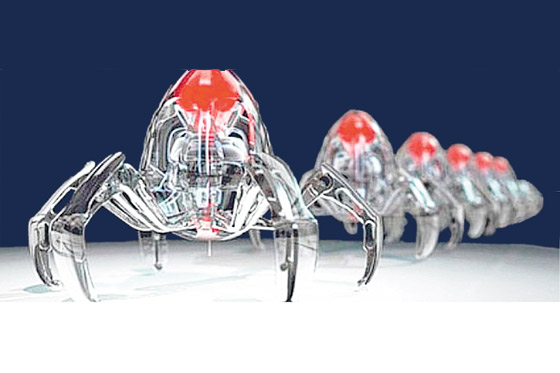
nanomachineryTowards this end, innovations in additive manufacturing, synthetic biology, swarm robotics, and architecture suggest a future scenario when buildings may be designed using libraries of biological templates and constructed with biosynthetic materials able to sense and adapt to their conditions.

What this means is that cities could be grown, or assembled at the atomic level, forming buildings that are either living creatures themselves, or composed of self-replicated machines that can adapt and change as needed. Might sound like science fiction, but countless firms and labs are working towards this very thing every day.

It has already been demonstrated that single cells are capable of being programmed to carry out computational operations, and that DNA strains are capable of being arranged to carry out specialized functions. Given the rapid progress in the field of biotech and biomimetics (technology that imitates biology), a future where the built environment imitates organic life seems just around the corner.

biofabrication For example, at Harvard there is a biotech research outfit known as Robobees that is working on a concept known as “programming group dynamics”. Like corals, beehives, and termite colonies, there’s a scalar effect gained from coordinating large numbers of simple agents to perform complex goals. Towards this end, Robobees has been working towards the creation of robotic insects that exhibit the swarming behaviors of bees.

Mike Rubenstein leads another Harvard lab, known as Kilobot, which is dedicated to creating a “low cost scalable robot system for demonstrating collective behaviors.” His lab, along with the work of researcher’s like Nancy Lynch at MIT, are laying the frameworks for asynchronous distributed networks and multi-agent coordination, aka swarm robotics, that would also be capable of erecting large structures thanks to centralized, hive-mind programming.

nanorobot1

In addition to MIT, Caltech, and various academic research departments, there are also scores of private firms and DIY labs looking to make things happen. For example, the companies Autodesk Research and Organovo recently announced a partnership where they will be combining their resources – modelling the microscopic organic world and building bioprinters – to begin biofabricating everything from drugs to nanomachines.

And then there are outfits like the Columbia Living Architecture Lab, a group that explores ways to integrate biology into architecture. Their recent work investigates bacterial manufacturing, the genetic modification of bacteria to create durable materials. Envisioning a future where bacterial colonies are designed to print novel materials at scale, they see buildings wrapped in seamless, responsive, bio-electronic envelopes.

ESA_moonbaseAnd let’s not forget 3D printing, a possibility which is being explored by NASA and the European Space Agency as the means to create a settlement on the Moon. In the case of the ESA, they have partnered with roboticist Enrico Dini, who created a 3-D printer large enough to print houses from sand. Using his concept, the ESA hopes to do the same thing using regolith – aka. moon dust – to build structures on Earth’s only satellite.

All of these projects are brewing in university and corporate labs, but it’s likely that there are far more of them sprouting in DIY labs and skunkworks all across the globe. And in the end, each of them is dedicated to the efficiency of natural systems, and their realization through biomimetic technology. And given that the future is likely to be characterized by resources shortages, environmental degradation and the need for security, it is likely to assume that all of these areas of study are likely to produce some very interesting scenarios.

As I’ve said many times before, the future is likely to be a very interesting place, thanks to the convergence of both Climate Change and technological change. With so many advances promising a future of post-scarcity, post-mortality, a means of production and a level of control over our environment which is nothing short of mind-boggling – and a history of environmental degradation and resource depletion that promises shortages, scarcity, and some frightening prospects – our living spaces are likely to change drastically.

The 21st century is going to be a very interesting time, people. Let’s just hope we make it out alive!

Sources: fastcoexist.com, (2)

The Future is Here: The Anti-Gravity 3D Printer

anti-grav3d2Three-dimensional printing is without a doubt one of the greatest growth industries of the 21st century. And yet, surprisingly enough, there are those who seem to think that there is room for improvement when it comes to current concepts and designs. Two such individuals are Petr Novikov and Saša Jokic, a group of architecture students who recently began interning at the Joris Laarman Lab in Amsterdam. While there, they came up with a revolutionary method for 3D printing that reboots the concept!

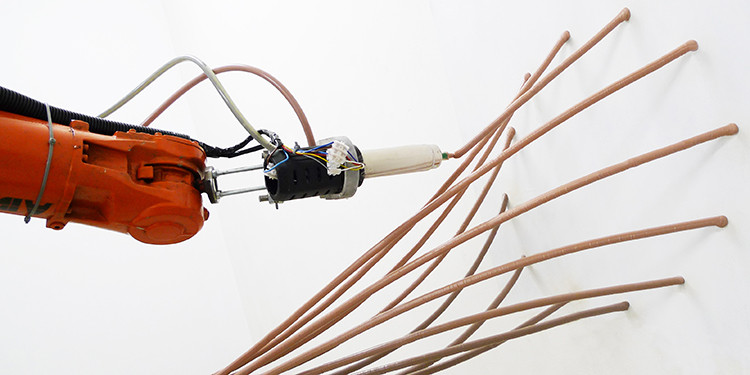
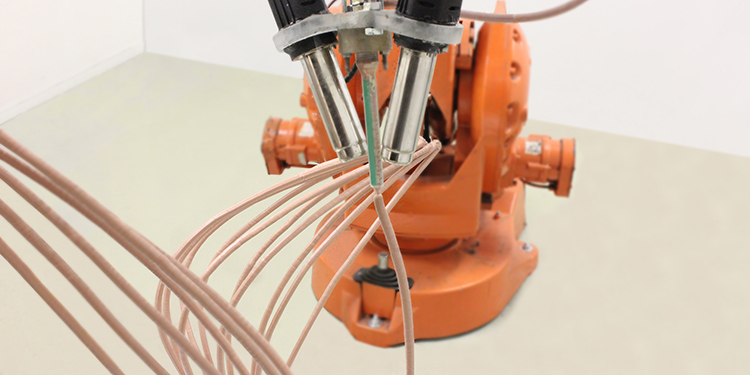
It’s called Mataerial, a new and patented process where polymers are squeezed from a nozzle similar to how bakers squeeze icing from a tube to frost a cake, except there’s a robot involved. Ultimately, their concept was based on the fact that all conventional printing works with layers, which they considered grossly inefficient. Not only do such methods require the presence of a support structure, they also take additional time, materials, and increase the risk of damage if the object is removed from its support structure.

anti-grav3d1As Novikov explains:

The material that comes out of the nozzle is still kind of viscous–It’s not a liquid already but its not a solid material, so what we wanted to do is make it solid the same exact moment it comes out of the nozzle. And that’s the hardest part. Because if it solidifies before it comes out of the nozzle, then its going to make a clog… but if it solidifies after it leaves the nozzle, than its going to be weak and fall down.

The key was to find two liquid polymers that, when mixed, quickly harden, which allows for mid-air solidification. They’re calling the resulting method “Anti-Gravity Object Modeling,” since the material’s just-in-time solidification eschews the need for any sort of support structure. The new method is exciting for a number of reasons. The first is scale, in that this method could be adapted for manufacturing large and well as small scale objects easily.

anti-grav3dDepending on the size of nozzle used, the technology could be used to print materials and objects that are on the scale of millimeters (like components for consumer electronics), 3D models (the kinds that are printed by standard professional printers), or larger objects such as furniture or even parts used in large-scale architectural construction. Basically, anything from the tiniest object to the largest structure could be created by robots equipped with specialized nozzles and Mataerial printers.

But perhaps most exciting is the possibility that this new method would be able to print objects in low or even zero gravity. Given NASA’s recent interest in building a Moon base using 3D printing, such a process could come in mighty useful. Already, the technology known as “sintering” has been considered for the purposes of building a Lunar settlement, but given its “anti-gravity” application, the Mataerial process just might have a shot at winning some lucrative contracts.

In fact, Navikov indicates that they considered the possibility and put it to the test. As he indicated: “We did an investigation and we are pretty sure that this could be used as 3-D printer in zero gravity.” Did you get that NASA? Anyway to make this technology work with regolith? Regardless, it sure could be useful here on planet Earth!

Source: fastcoexist.com

Preventing the Apocalypse: NASA’s Asteroid Lasso Mission

asteroid_lasso

Shortly after that large meteor hit Russia, President Obama and NASA administrator Charles Bolden both announced that work would begin on a series of asteroid tracking technologies that would ensure that more severe Earth collisions would be prevented. Earlier this month, Bolden spoke at the Mars Summit in Washington, D.C. and said that a robotic spacecraft mission is currently being planned with this goal in mind.

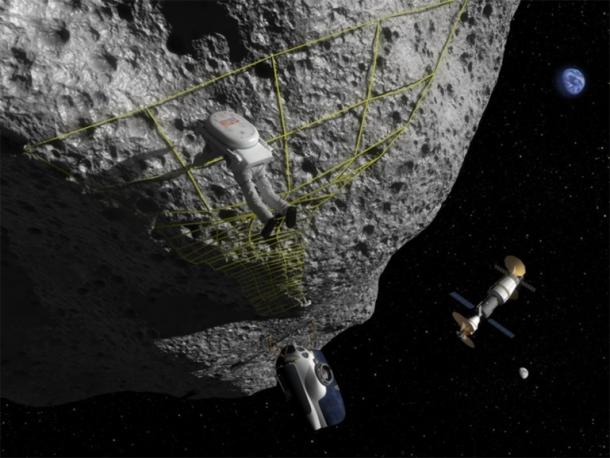
The plan calls to mind such films as Armageddon and Deep Impact, but differs in that it involves lassoing an asteroid instead of detonating a small nuke inside it. The ultimate goal here is to tow an asteroid out of the path of Earth, but then to deposit it in orbit so that it can be visited by astronauts. These astronauts will then collect samples and conduct research that could one day assist in a mission to Mars or save Earth from a catastrophic collision.

Asteroid-Toutatis

This is in keeping with the Obama administrations’ pledge of putting a man on a near-Earth asteroid by 2025 and a manned mission to Mars by 2030. It’s also in the same vein as NASA’s plan to catch and deposit an asteroid around the Moon, an idea that was proposed back in January of this year as part of the agencies plan to establish an outpost at Lagrange Point 2 early in the next decade.

And even though NASA has expressed that the massive 22 million ton asteroid Apophis will not impact planet Earth in 2036, it didn’t rule out that other, smaller rocks could possibly reach us in that time. Capturing them and towing them to where they could be safely deposited in orbit would present many opportunities, not the least of which could be commercial.

asteroid_foundry

For example, asteroid prospecting is slated to begin in 2015, with companies like SpaceX and Deep Space Industries leading the charge. Once property rights are assigned to various celestial bodies, these and other companies hope to send missions out to mine them and establish automated 3D manufacturing facilities, places that use “sintering” to process ore into metal and other materials that can then be shipped back.

NASA’s science mission directorate associate administrator John Grunsfeld also spoke about the importance of the lasso mission at the Human to Mars Summit on Monday. Above all else, he emphasized the importance of using the knowledge and skills gained from the research to achieve the long-term goal of survival:

We have a pretty good theory that single-planet species don’t survive. We don’t want to test it, but we have some evidence of that happening 65 million years ago [when an asteroid killed much of Earth’s life]. That will happen again someday … we want to have the capability [to leave the planet] in case of the threat of large scale destruction on Earth.

Yeah, its a rocky universe. And if we intend to survive in it, we had best learn how to deflect, capture and destroy any that come our way and get too close. And of course, we need to learn how to harness their endless supply of minerals and trace elements.

asteroid_belt1Source: news.cnet.com