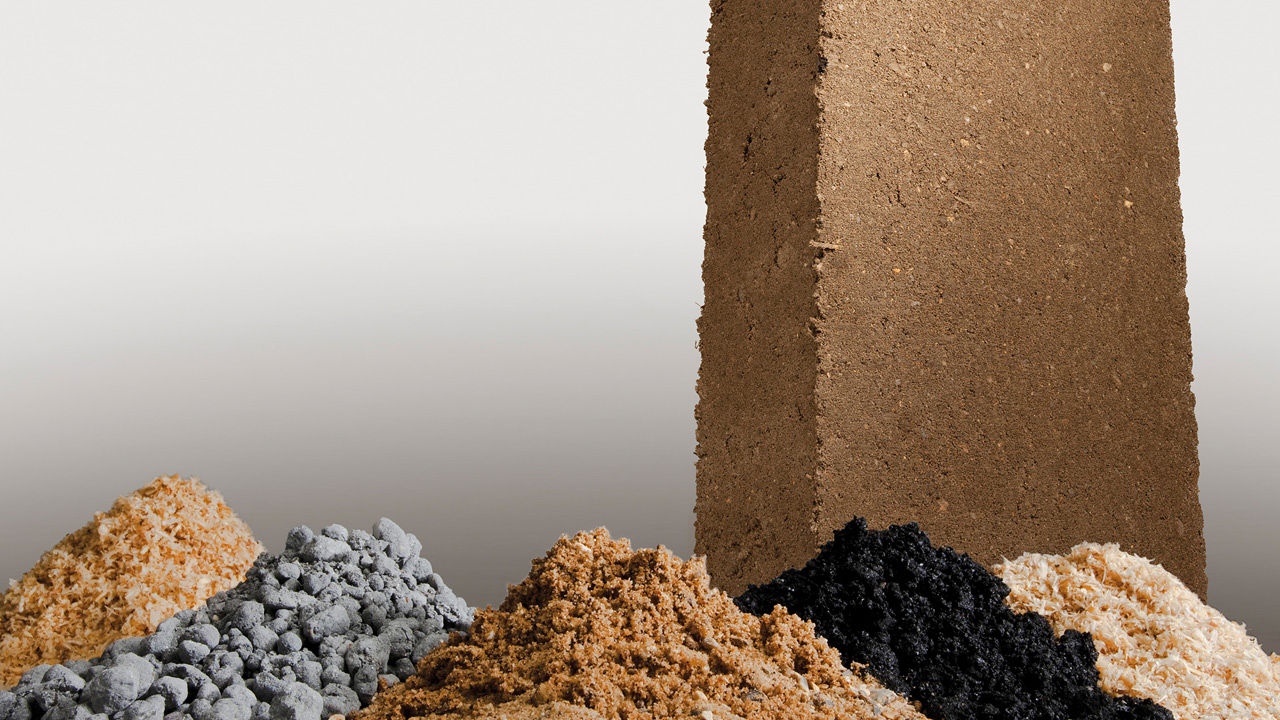
Climate Crisis: “Carbon Buster” Bricks

carbon_busterReducing our “carbon footprint” as a society – i.e. finding ways to consume less energy and generate less pollution – is at an all time high in the industrialized world. But for researchers and scientists hoping to avert the worst effects of Climate Change, the real challenge is finding ways to meet human needs that will either be carbon-neutral, or that consume more than they create.

This is the logic behind process like Carbon Capture, the “Smog Vacuum” and now, carbon negative building materials such as the “Carbon Buster”. Basically, it’s a brick that’s partially composed  of wood from old doors and windows (35% to be exact). In addition, it contains nasty pollutants that used to go into the air. But most important of all, more CO2 is locked inside than was emitted during the brick’s production and transport.
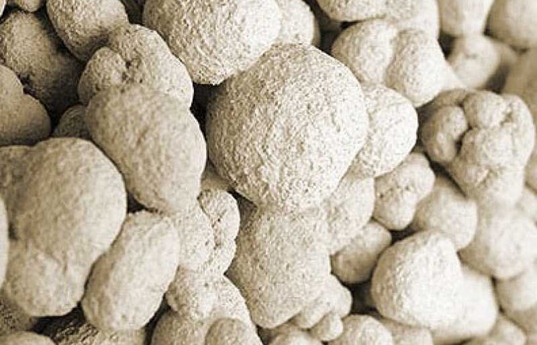
carbon_buster1The block is manufactured by a company in the east of England known as Lignacite, a company that has been making products from wood for 65 years. Lignacite recently partnered with another company named Carbon 8, another Suffolk-based company that converts noxious fumes from waste incinerators and combined with CO2, cement and sand to create aggregate.

To create the bricks, this aggregate is mixed with wood shavings from Lignacite’s plant, and Carbon Busters are born. Each one is composed of 50% recycled material and locks in about 14 kg (31 pounds) of carbon dioxide, which includes the CO2 the original trees took in during photosynthesis, and the CO2 captured in the aggregate-making process.

Carbon_Negative_CementGranted, the bricks aren’t exactly aesthetically appealing. But they are relatively lightweight, suitable for even the biggest construction projects, and more fire-resistant than blocks made from stone, which crack and crumble at high temperatures. Since the wood inside these bricks is not exposed to oxygen, they will not burn, but simply calcify and blacken when exposed to fire.

Giles de Lotbiniere, Lignacite’s chairman, claims that so far, roughly 600 homes have been built in the Suffolk area near where the Lignacite plant is situated. He also indicated that they sell at a 5% premium compared to conventional bricks. And while there is currently resistance to using aggregate and wood-based materials on an international scale, de Lothbiniere believes the market will expand in coming years:

Over the years, we’ve wondered if we want to continue making blocks out of wood. Each time we’ve found another reason to do it. Now, with climate change, we’ve found another one.
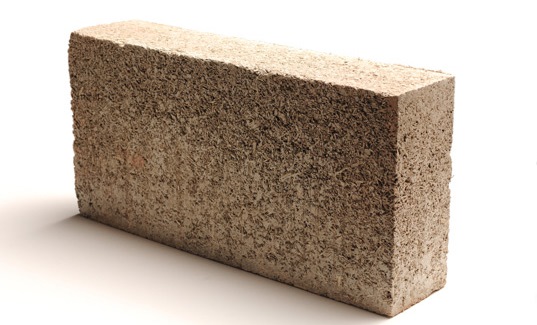
carbon_buster2But of course, the market for carbon negative materials is already becoming an interesting and diversified place. Just two years ago, Material ConneXion unveiled its own carbon-negative product – a carbon-negative cement composed of magnesium silicate that not only requires less heating, but it is also able to absorb CO2 from the environment as it hardens.

And then there’s Hemcrete, a bio-composite, thermal walling material made from hemp, lime and water that represents an alternative to fiberglass as an insulating material. Much like these other carbon-negative materials, more CO2 is locked-up in the process of growing and harvesting the hemp than is released in the production, and the product is 100% recyclable.

Taken together, materials like these are likely to revolution the construction industry in the coming years, an industry which currently accounts for roughly 38% of the CO2 emissions in the industrialized world.

Sources: fastcoexist.com, inhabitat.com, (2), freshome.com
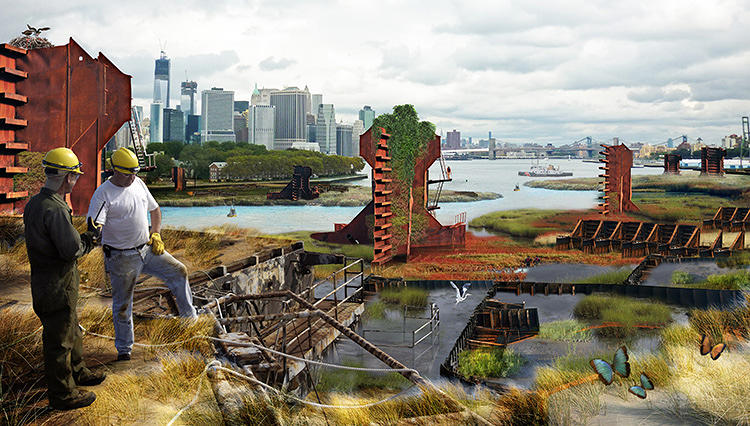
Climate Crisis: A Hurricane-Ready New York Waterfront

terreformONE_harborIn addition to causing extensive damage, Hurricane Sandy demonstrated just how woefully prepared people in New York for major storm surges. When the water began rising back in October, due to intense rainfall and wind, there was little in the way to stop it or break in the incoming flow. As such, plans are now being considered for creating a buffer zone to protect the city from future storms.

Mitch Joachim, the co-founder of Terreform ONE, has a rather novel suggestion for how this could be done. Basically, he wants to submerge old Navy ships in the New York Harbor, creating a “riparian buffer zone” that could better handle large volumes of water. This is just one of many projects his company is involved in, which include improving transportation links in Red Hook and Governor’s Island, and ecologically engineering Brooklyn’s Navy Yard.

terreformONE_harbor1According to Joachim, their firm hit on the idea of using ship hulls to create a walkway that rises up from the harbor floor. In addition to providing protection for New Yorkers, he claims it would be cosmetically pleasing as well:

We thought one way to make gabions really quick is to take hulls from ghost fleets, cut them into sections, and then puzzle-fit the geometry together. It allows over time the transformation of that landscape. Over years of sediment building up, you would have environments that privilege humans at certain points of the day. But then as tide changes occur, you would have aqueous environments that privilege other life besides humans. 

Basically, the walkway would help keep rising tides back in the near future, and would serve as a natural habitat once the tides rise and move in to claim them. By cutting the hulls into clam-like shapes, the organization says that New York could restore a diversified structure to its waterfront, slowing the water before it makes land.

terreformONE_harbor2Joachim points out that dumping junk into New York waterways has a long history, much of it constructive in nature. Parts of Manhattan, like Battery Park City, were built on land created artificially from construction waste. And sinking ships is already one means of disposal, for the sake of creating artificial reefs. The only other method is what is known as “ship breaking”, which is far worse.

This methods of retiring ships involves cutting ships up for scrap and then recycling the usable steel parts. This practice is both environmentally unsound and can lead to toxic chemicals leeching into the ocean, which is why the majority of ship breaking operations occur in developing countries, such as Bangladesh, India, China, Pakistan and Turkey.

terreformONE_harbor3So in addition to offering protection to coastal cities that are currently ill-prepared for the worst effects of Climate Change, reusing ships to augment the world’s harbor fronts could also help reduce the environmental stress we place on other coastlines. It’s like repurposing one problem to deal with two more. Quite clever, when you think about it!

Source: fastcoexist.com

Climate Crisis: The Pacific Ocean’s Cooling Effect

pacific1Climatologists and environmental scientists have been cataloging the global warming trend for decades, examining multiple fields of data that show fluctuations over a period of eons. And despite what appears to be a consistent trend warming that has been taking place since the 18th century – when levels of atmospheric CO2 began to climb steadily – there have been anomalies in the data.

One period was the three decades that fall between the 1940’s and 1970’s when no significant terrestrial warming took place, and the Pacific Ocean was anomalously cold. The Pacific is somewhat of a wild card when it comes to our climate, since it is responsible for the weather patterns known as El Niño and La Niña that can swing global average temperatures by as much as 0.3 degree Celsius.

Global_Temperature_Anomaly_1880-2012.svgFor the past decade or so the tropical Pacific has again gone cold and a new study suggests that it may once again be related to the recent “pause” in global warming of average temperatures. Although the past decade also qualifies as the hottest on record, the trend has been milder than expected, with average surface temperatures plateauing for many years.

This is in stark contrast to the end of the 20th century, when rising concentrations of greenhouse gases in the atmosphere accelerated warming to new heights. To explain this, climate scientists Shang-Ping Xie and Yu Kosaka of the Scripps Institution of Oceanography at the University of California looked to the Pacific Ocean, using observable data and an advanced computer model.

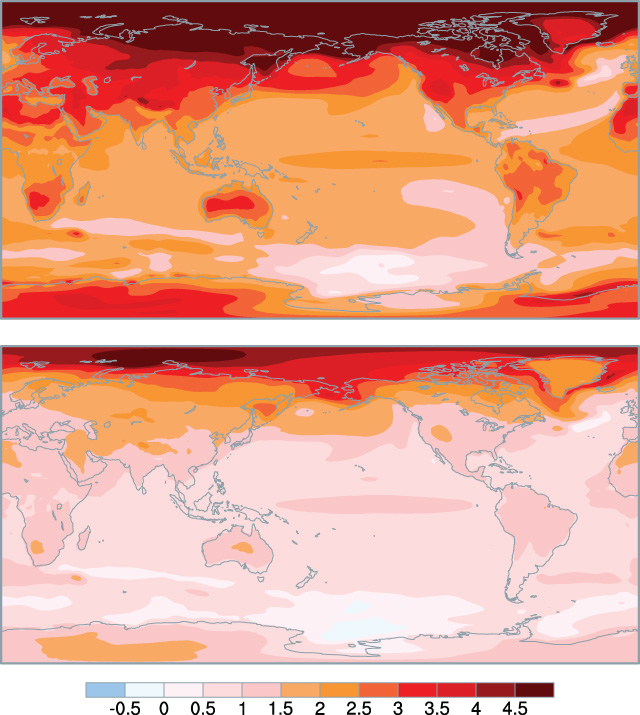
NASA_global_warming_predThe latter came from the US Department of Commerce’s Geophysical Fluid Dynamics Laboratory computer model of the oceans and atmosphere. By adding in sea-surface temperatures of an oceanic area covering roughly 8 percent of the globe, the researchers were able to mimic the recent hiatus in global warming as well as weather phenomena like the prolonged drought in the southern US.

The results were published in the Aug. 29th edition of Nature Magazine. In it, Xie observed that the “tropical Pacific is the engine that drives the global atmosphere and climate. There were epochs of accelerated and stalled warming in the past.” This included the pause in a global warming trend between the 1940s and 1970s, which has often been attributed to sunlight-blocking air pollution from Europe, the Soviet Union and the US.

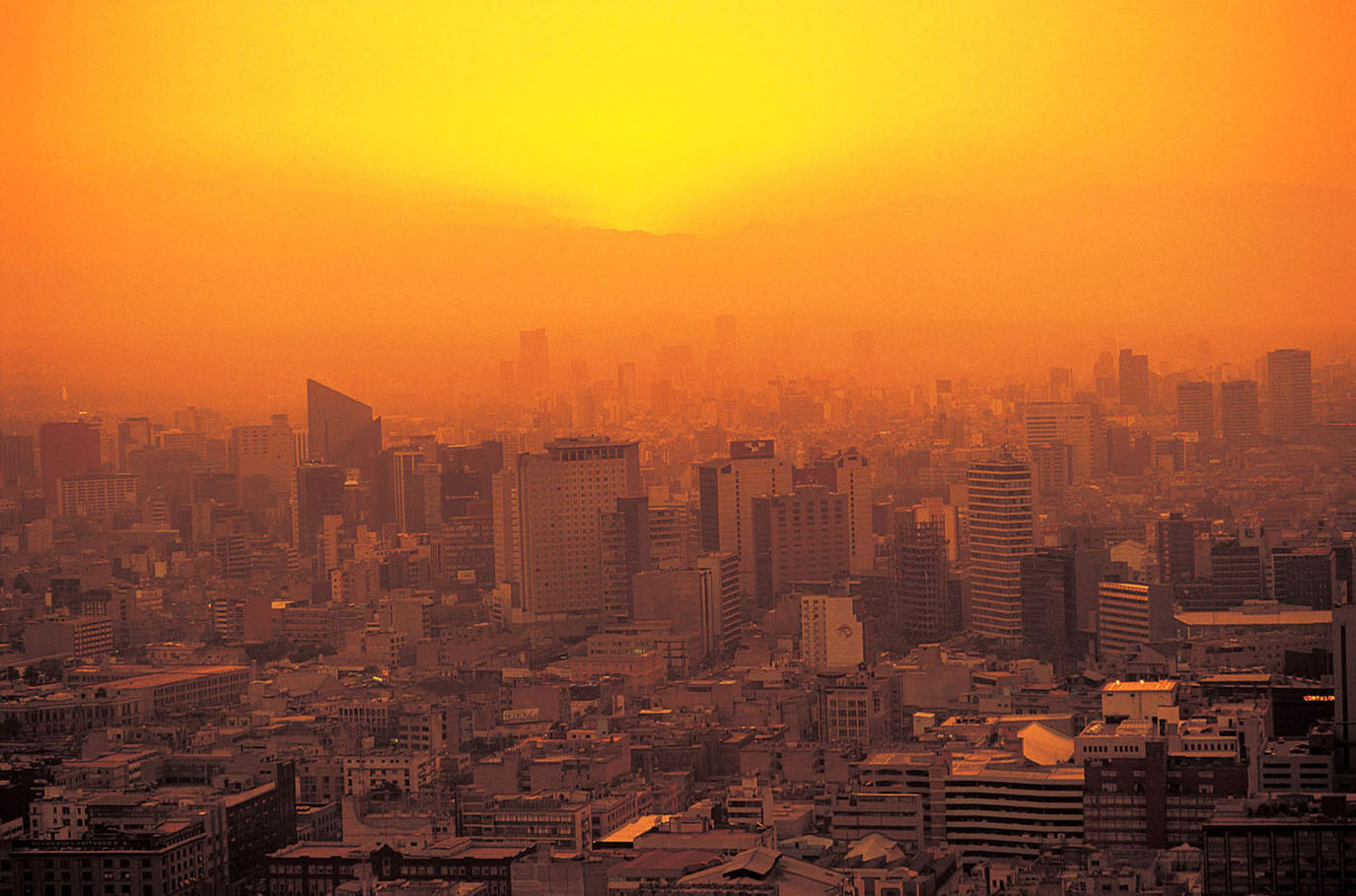
Pollution over Mexico CityOther factors have also been considered – volcanoes, an unusually weak solar cycle, air pollution from China – when looking at restraining trends in global warming. Some of the observed climate effects may also stem from other ocean dynamics such as variations in the mixing of surface and deep ocean waters. And the meltdown of significant ice from Greenland or Antarctica might even cool oceans enough to offset the extra heat trapped by rising levels of greenhouse gases for a time.

What is less clear at this point is what is driving cycles of cooling and heating of tropical Pacific Ocean waters. But it is clear that the cool Pacific pattern cannot persist forever to cancel out the extra heat trapped by rising CO2 concentrations, Xie notes. As climate modeler Gavin Schmidt of the NASA Goddard Institute for Space Studies recently stated:

We need updates to the forcings and a proper exploration of all the different mechanisms together. This has taken time but will happen soon-ish.

global-warming-trends_lrgAnd despite any pause in the trend toward hotter temperatures, the first decade of the 21st century was still the hottest recorded decade since the 1880s, and it included record heat waves in Russia and the US as well as a precipitous meltdown of Arctic sea ice and surging sea level rise. Atmospheric concentrations of CO2 touched 400 parts per million on Mauna Loa in May, a first in the time line of human existence.

A cooler Pacific due to prolonged La Niña activity may have restrained global warming for the past decade or so, but it is unlikely to last. As Xie noted:

This effect of natural variability will be averaged out over a period of 100 years. and cannot argue away the threat of persistent anthropogenic warming that is occurring now.

These warnings are key since any changes or anomalous readings are often seized upon by Climate Change deniers as evidence that the problem does not exist, is not man-made, or is at least not as severe as otherwise predicted. But in the coming decades, even the most benign scenarios are still fraught with peril. If the worst is to be averted, extensive and positive changes need to be made now.

Source: news.cnet.com, nature.com

Timeline of the Future…

hyperspace4I love to study this thing we call “the future”, and began to do so as a hobby the day I made the decision to become a sci-fi writer. And if there’s anything I’ve learned, its that the future is an intangible thing, a slippery beast we try to catch by the tail at any given moment that is constantly receding before us. And when predict it, we are saying more about the time in which we are living than anything that has yet to occur.

As William Gibson famously said: “…science fiction was always about the period in which it was written.” At every juncture in our history, what we perceive as being the future changes based on what’s going on at the time. And always, people love to bring up what has been predicted in the past and either fault or reward the authors for either “getting it right” or missing the mark.

BrightFutureThis would probably leave many people wondering what the point of it all is. Why not just wait and let the future tend to itself? Because it’s fun, that’s why! And as a science fiction writer, its an indispensable exercise. Hell, I’d argue its absolutely essential to society as a whole. As a friend of one once said, “science fiction is more of a vehicle than a genre.” The point is to make observations about society, life, history, and the rest.

And sometimes, just sometimes, predictive writers get it right. And lately, I’ve been inspired by sources like Future Timeline to take a look at the kinds of predictions I began making when I started writing and revising them. Not only have times changed and forced me to revise my own predictions, but my research into what makes humanity tick and what we’re up to has come a long way.

So here’s my own prediction tree, looking at the next few centuries and whats likely to happen…

21st Century:

2013-2050:

  • Ongoing recession in world economy, the United States ceases to be the greatest economic power
  • China, India, Russia and Brazil boast highest rates of growth despite continued rates of poverty
  • Oil prices spike due to disappearance of peak oil and costs of extracting tar sands
  • Solar power, wind, tidal power growing in use, slowly replacing fossil fuel and coal
  • First arcologies finished in China, Japan, Russia, India and the United States

arcology_lillypad

  • Humanity begins colonizing the Moon and mounts manned mission to Mars
  • Settlements constructed using native soil and 3D printing/sintering technology
  • NASA tows asteroid to near Earth and begins studies, leading to plans for asteroid mining
  • Population grows to 9 billion, with over 6 living in major cities across the all five continents
  • Climate Change leading to extensive drought and famine, as well as coastal storms, flooding and fires
  • Cybernetics, nanotech and biotech leading to the elimination of disabilities
  • 3D Construction and Computer-Assisted Design create inexpensive housing in developing world

europa_report

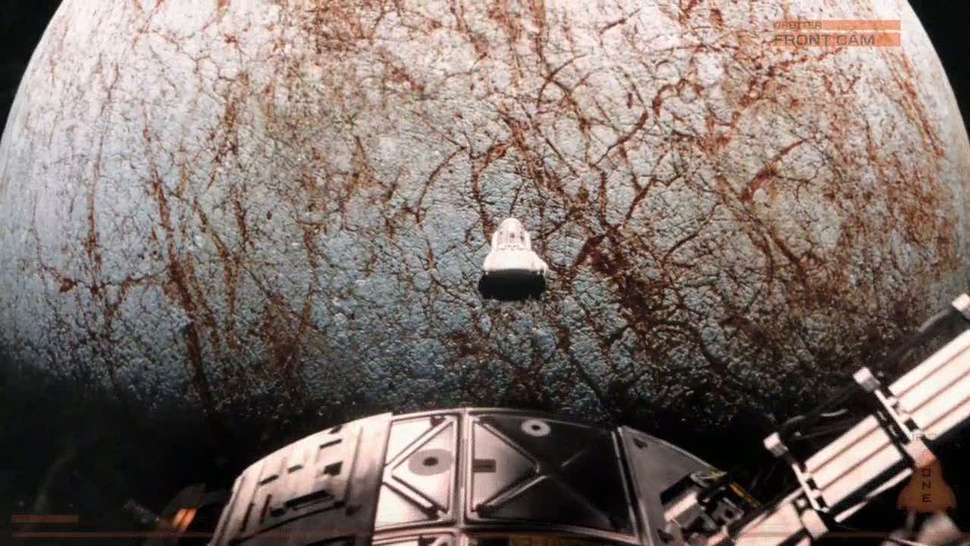
  • First exploratory mission to Europa mounted, discovers proof of basic life forms under the surface ice
  • Rome ordains first openly homosexual priests, an extremely controversial move that splits the church
  • First semi-sentient, Turing compatible AI’s are produced and put into service
  • Thin, transparent, flexible medical patches leading to age of “digital medicine”
  • Religious orders formed opposed to “augmentation”, “transhumanism” and androids
  • First true quantum computers roll off the assembly line

quantum-teleportation-star-trails-canary-islands-1-640x353

  • Creation of the worldwide quantum internet underway
  • Quantum cryptography leads to increased security, spamming and hacking begins to drop
  • Flexible, transparent smartphones, PDAs and tablets become the norm
  • Fully immersive VR environments now available for recreational, commercial and educational use
  • Carbon dioxide in the upper atmosphere passes 600 ppm, efforts to curb emissions are redoubled
  • ISS is retired, replaced by multiple space stations servicing space shuttles and commercial firms
  • World’s first orbital colony created with a population of 400 people

2050-2100:

  • Global economy enters “Second Renaissance” as AI, nanomachinery, quantum computing, and clean energy lead to explosion in construction and development
  • Commercial space travel become a major growth industry with regular trips to the Moon
  • Implant technology removes the need for digital devices, technology now embeddable
  • Medical implants leading to elimination of neurological disorders and injuries
  • Synthetic food becoming the rage, 3D printers offering balanced nutrition with sustainability

3dfood2

  • Canada, Russia, Argentina, and Brazil become leading exporters of foodstuffs, fresh water and natural gas
  • Colonies on the Moon and Mars expand, new settlement missions plotted to Ganymede, Europa, Oberon and Titan
  • Quantum internet expanding into space with quantum satellites, allowing off-world connectivity to worldwide web
  • Self-sufficient buildings with water recycling, carbon capture and clean energy becomes the norm in all major cities
  • Second and third generation “Martians” and “Loonies” are born, giving rise to colonial identity

asteroid_foundry

  • Asteroid Belt becomes greatest source of minerals, robotic foundries use sintering to create manufactured products
  • Europe experiences record number of cold winters due to disruption of the Gulf Stream
  • Missions mounted to extra-Solar systems using telexploration probes and space penetrators
  • Average life expectancy now exceeds 100, healthy children expected to live to 120 years of age
  • NASA, ESA, CNSA, RFSA, and ISRO begin mounting missions to exoplanets using robot ships and antimatter engines
  • Private missions to exoplanets with cryogenically frozen volunteers and crowdfunded spaceships

daedalus_starship_630px

  • Severe refugee crises take place in South America, Southern Europe and South-East Asia
  • Militarized borders and sea lanes trigger multiple humanitarian crises
  • India and Pakistan go to war over Indus River as food shortages mount
  • China clamps down on separatists in western provinces of Xinjian and Tibet to protect source of the Yangtze and Yellow River
  • Biotechnology begins to grow, firms using bacteria to assemble structural materials

geminoid

  • Fully sentient AIs created and integrated into all aspects of life
  • Traditionalist communities form, people seeking to disconnect from modern world and eschew enhancement
  • Digital constructs become available, making neurological downloads available
  • Nanotech research leading to machinery and materials assembled at the atomic level
  • Traditional classrooms giving way to “virtual classrooms”, on-demand education by AI instructors
  • Medical science, augmentation, pharmaceuticals and uploads lead to the first generation of human “Immortals”

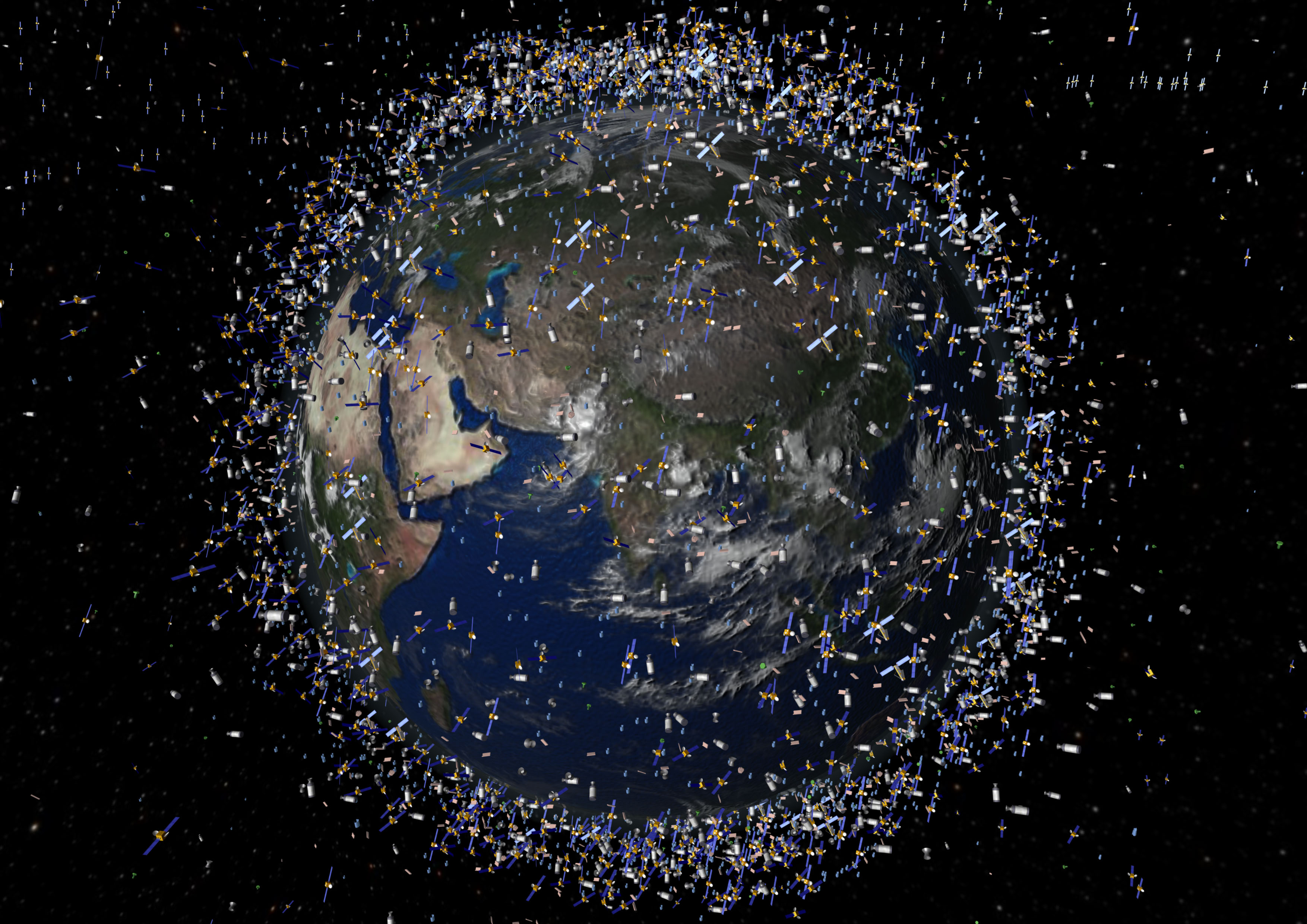
space_debris

  • Orbital colonies gives way to Orbital Nexus, with hundreds of habitats being established
  • Global population surpasses 12 billion despite widespread famine and displacement
  • Solar, wind, tidal, and fusion power replace oil and coal as the dominant power source worldwide
  • Census data shows half of world residents now have implants or augmentation of some kind
  • Research into the Alcubierre Drive begins to bear experimental results

alcubierre-warp-drive-overview22nd Century:

2100-2150:

  • Climate Change and global population begin to level off
  • First “Neural Collective” created, volunteers upload their thought patterns into matrix with others
  • Transhumanism becomes established religion, espousing the concept of transcendence
  • Widespread use of implants and augmentation leads to creation of new underclass called “organics”
  • Solar power industry in the Middle East and North Africa leading to growth in local economies
  • Biotech leads to growth of “glucose economy”, South American and Sub-Saharan economies leading in manufacture of biomaterials
  • Population in Solar Colonies and Orbital Nexus reaches 100,000 and continues to grow

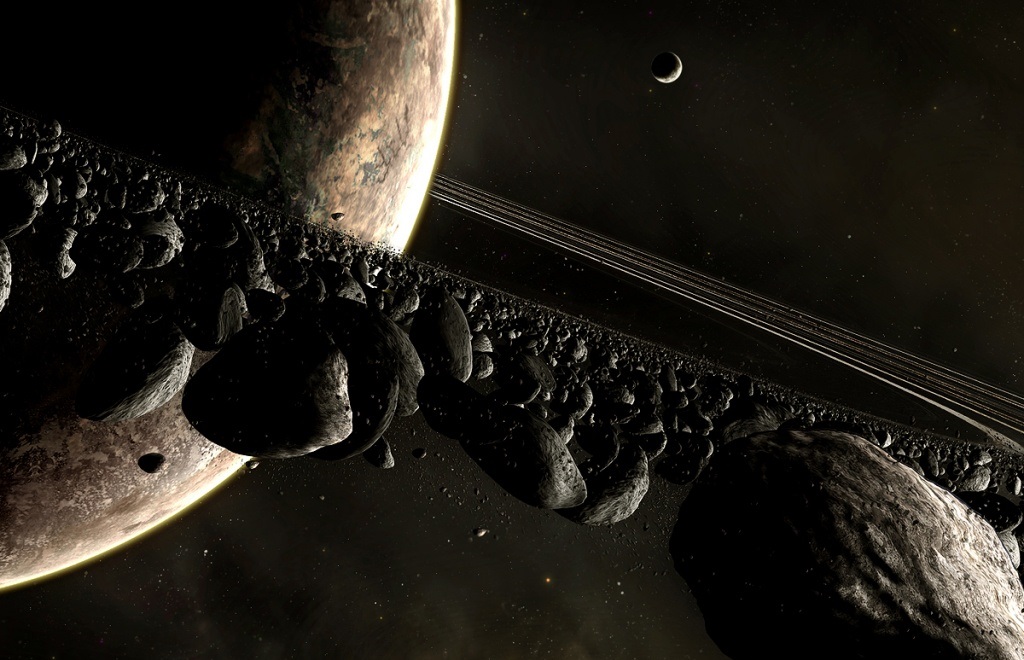
asteroid_belt1

  • Off-world industry continues to grow as Asteroid Belt and colonies provide the majority of Earth’s mineral needs
  • Famine now widespread on all five continents, internalized food production in urban spaces continues
  • UN gives way to UNE, United Nations of Earth, which has near-universal representation
  • First test of Alcubierre FTL Drive successful, missions to neighboring systems planned
  • Tensions begin to mount in Solar Colonies as pressure mounts to produce more agricultural goods
  • Extinction rate of wild animals begins to drop off, efforts at ecological restoration continue
  • First attempts to creating world religion are mounted, met with limited success

networked_minds

  • Governments in most developed countries transitioning to “democratic anarchy”
  • Political process and involvement becoming digitized as representation becomes obsolete
  • “Super-sentience” emerges as people merge their neural patterns with each other or AIs
  • Law reformed to recognize neural constructs and AIs as individuals, entitled to legal rights
  • Biotech research merges with AI and nanotech to create first organic buildings with integrated intelligence

2150-2200:

  • Majority of the world’s population live in arcologies and self-sufficient environments
  • Census reveals over three quarters of world lives with implants or augmentation of some kind
  • Population of Orbital Nexus, off-world settlements surpasses 1 million
  • First traditionalist mission goes into space, seeking world insulated from rapid change and development
  • Labor tensions and off-world riots lead to creation of Solar policing force with mandate to “keep the peace”

Vladivostok-class_Frigate

  • First mission to extra=Solar planets arrive, robots begin surveying surface of Gliese 581 g, Gliese 667C c, HD 85512 b, HD 40307 g, Gliese 163 c, Tau Ceti e, Tau Ceti f
  • Deep space missions planned and executed with Alcubierre Drive to distant worlds
  • 1st Wave using relativistic engines and 2nd Wave using Alcubierre Drives meet up and begin colonizing exoplanets
  • Neighboring star systems within 25 light years begin to be explored
  • Terraforming begins on Mars, Venus and Europa using programmed strains of bacteria, nanobots, robots and satellites
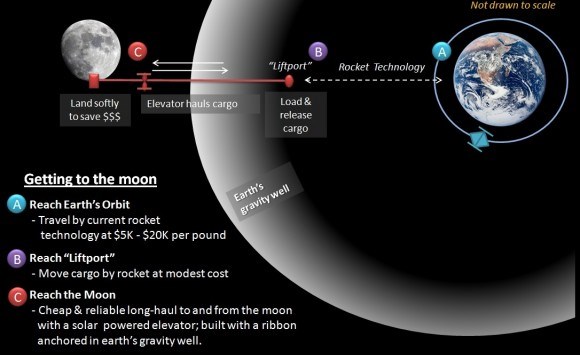
  • Space Elevator and Slingatron built on the Moon, used to transport people to space and send goods to the surface

space_elevator_lunar1

  • Earth’s ecology begins to recover
  • Natural species are reintroduced through cloning and habitat recovery
  • Last reported famine on record, food production begins to move beyond urban farms
  • Colonies within 50 light years are established on Gliese 163 c, Gliese 581 g, Gliese 667C c, HD 85512 b, HD 40307 g, Tau Ceti e, Tau Ceti f
  • Off-world population reaches 5 million and continues to grow
  • Tensions between Earth and Solar Colonies continue, lead to demands for interplanetary governing body
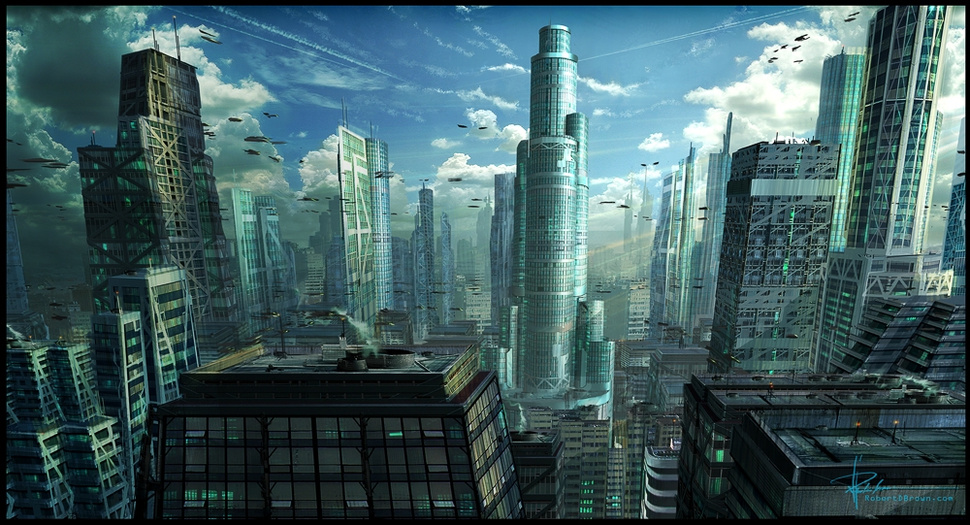
  • Living, breathing cities become the norm on all settled worlds, entire communities build of integrated organic materials run by AIs and maintained by programmed DNA and machinery

self-aware-colony

23rd Century and Beyond:

Who the hell knows?

*Note: Predictions and dates are subject to revision based on ongoing developments and the author’s imagination. Not to be taken literally, and definitely open to input and suggestions.

Climate Crisis: Climate Bomb in the Arctic?

icecapThe northern polar regions are considered by many to be the main battle grounds when it comes to Climate Change. The slow melting of the planet’s ice caps are rapidly melting, which in turn leads to increasing sea levels, and an increase in the amount of solar radiation our oceans absorb. However, according to a new theory, the disappearance of the ice sheet might also release a “time bomb” of greenhouse gas.

The theory appeared in recent paper submitted to the journal Nature. which argued that warming temperatures could release 50 billion tons of methane currently frozen in the Arctic seabed. Because methane is a potent greenhouse gas, such a huge release could drastically speed up the rate at which the sea ice retreats, the amount of solar energy that the ocean absorbs, and exacerbate the ongoing melt.

NASA_global_warming_predIt could also mean global temperatures rising more quickly, moving the world’s climate past generally-agreed-upon “tipping point” limits. Using the same methodology as the Stern Review, a landmark study from 2006. the papers authors  – Gail Whiteman, Peter Wadhams, and Chris Hope of Cambridge University – put a price tag on the potential damage:

The release of methane from thawing permafrost beneath the East Siberian Sea, off northern Russia, alone comes with an average global price tag of $60 trillion in the absence of mitigating action–a figure comparable to the size of the world economy in 2012 (about $70 trillion). The total cost of Arctic change will be much higher.

Using various scenarios, they say the methane could take from 10 to 50 years to emerge. But they’re clear about who’ll be hit hardest:

The economic consequences will be distributed around the globe, but the modeling shows that about 80% of them will occur in the poorer economies of Africa, Asia and South America. The extra methane magnifies flooding of low-lying areas, extreme heat stress, droughts and storms.

This is certainly consistent with existing Climate Change scenarios that predict the presence of severe drought in Central and South America, sub-Saharan Africa, and South and East Asia – the most populous regions of the Earth accounting for roughly 3 billion people.

Pollution over Mexico CityHowever, there are those who dispute this theory beyond the usual crop of Climate Change deniers. According to these dissenting views, the methane is unlikely to escape to the atmosphere as quickly as the paper predicts, and that some of it could be broken down in the ocean.

But Nafeez Ahmed, director of the Institute for Policy Research and Development, says these skeptics are relying on outdated models. The reality on the ground, as captured by scientists with the International Arctic Research Center, is that temperatures are rising faster than elsewhere and that current ice melt is consistent with the methane effect.

Global_Warming_Predictions_MapTo make matters worse, even if the methane emerges slowly, it would still be catastrophic. The research performed by Whiteman, Wadham, and Hope shows that the effects will be the same, regardless of whether or the methane is released over a 50 year period or a 10 year period. The key is mitigating factors, which call for immediate and ongoing intervention to ensure that worst doesn’t happen.

Bad news indeed, and it further demonstrates the dangers of what is referred to as a the “feedback mechanism” of Climate Change. As things get worse, we can expect the rate at which they get worse to increase at every step. And considering the likely social, political and economic impact of these changes, the ramifications of these new predictions are dire indeed.

Source: fastcoexist.com

Climate Change, In Song!

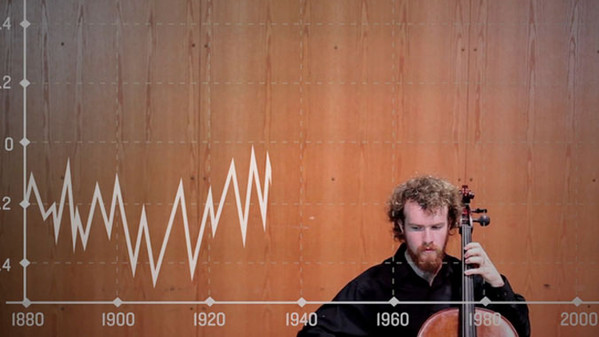
daniel_crawford_4858Climate Change is a daunting phenomena, a severe problem that is threatening our planet but which remains inaccessible and invisible for many people. Part of the problem is condensing all the facts, figures and studies into a coherent, easy-to-understand form that people can see and understand. Not the easiest thing to do, and even the famous hockey-stick shaped graphs appear to be falling short.

Luckily, artists like cellist Daniel Crawford are stepping in to fill the role of scientific interpreter. Committing the most alarming portion of that hockey stick to music, he shows just how alarming this trend is. He calls it “A Song of Our Warming Planet”, where notes are matched to temperatures, one for each year since 1880.

keeling_curveAs the average global temperature increases by 0.8 Celsius (1.4 Fahrenheit) and atmospheric carbon dioxide levels increase by more than 40%, the song climbs from the low, open C to the high end of its register, sounding, in one commenter’s estimation, “like a woman screaming.” And the video ends with the chilling text:

Scientists predict the planet will warm by another 1.8 degrees Celsius (3.2 degrees Fahrenheit) by the end of this century. This additional warming would produce a series of notes beyond the range of human hearing.

Scary stuff. Check out the video below, and then be sure to look around this site for some of the more positive news on the issue. I don’t like sending people away gloomy!


Sources:
fastcoexist.com, vimeo.com

Climate Crisis: NASA’s Projected Changes

NASA_global_warming_predAs the world’s foremost space agency, NASA has been at the forefront of climate research for many decades. Their contributions to this field of science has helped to shape our understanding of the planet’s past and has led to our current understanding of the Greenhouse Effect, Global Warming, and Climate Change. As a result, they are committed to educating the public about what’s in store for our blue planet in the near future.

Below are two videos that were recently released by NASA’s Goddard Space Flight Center. Both briefly, but succinctly, provide visualizations of what an average temperature increase of up to 5.5 Celsius (8 degrees Fahrenheit) and the resulting effect on weather patterns would look like, which is expected to happen by the end of the 21st century.

These visualizations – which highlight computer model projections from the draft National Climate Assessment – show how average temperatures and precipitation patterns could change across the U.S. in the coming decades under two different scenarios. As you can see, both predict significant warming and drying as a result of increased concentrations of CO2 in the upper atmosphere.

Projected Temperature Change by 2100:


Projected Precipitation Change by 2100:


The visualizations, which combine the results from 15 global climate models, present projections of temperature and precipitation changes from 2000 to 2100 compared to the historical average from 1970 -1999. They were produced by the Scientific Visualization Studio at NASA’s Goddard Space Flight Center, Greenbelt, Md., in collaboration with NOAA’s National Climatic Data Center and the Cooperative Institute for Climate and Satellites, both in Asheville, N.C.

Speaking on the subject of these videos, Allison Leidner, Ph.D. – a scientist who coordinates NASA’s involvement in the National Climate Assessment – said:

These visualizations communicate a picture of the impacts of climate change in a way that words do not. When I look at the scenarios for future temperature and precipitation, I really see how dramatically our nation’s climate could change.

But of course, these visualizations only tell part of the story. Far from this being a geographically restricted phenomena, residents inside the US are likely to be less severely hit than those people living in Sub-Saharan Africa, the Mediterranean, the Middle East, Central Asia, India and East Asia, where the problems of flooding, water loss, famine and drought area already common.

Add to this flooding coastlines, invasive parasites and diseases, militarized borders, potential skirmishes over dwindling resources, and a refugee crisis the likes of which the world has never seen, and you get a pretty good idea of why this issue matters as much as it does. The next century is going to be an interesting time. Here’s hoping we survive it!

Source: nasa.gov

Tatooine to be Reclaimed by the Desert

Mos_Espa_2All across North and Sub-Saharan Africa, desertification threatens farm land, pastures, townships and even cities, triggering food and water shortages and threatening wildlife. But in a startling twist, it now seems that this ecological phenomena is threatening an iconic movie set, one which science fictions fans should instantly recognize.

Yes, in the deserts of Tunisia, the town of Mos Espa is about to be reclaimed by the desert. This set was first constructed by George Lucas and his crews to act as the skyline for Tatooine in Star Wars Episode I: The Phantom Menace. Serving as the fictional home of Anakin Skywalker, it was here that Qui-Gon Jinn and Padme first met the cloyingly sweet blonde kid that would one day become the most evil man in the universe

mos_espa

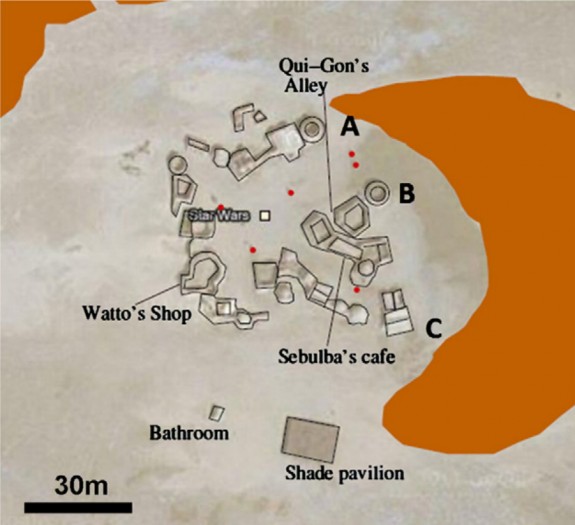
And in a new study, lead by Ralph Lorenz of John Hopkins University, researchers have found that sand dunes are swiftly encroaching on the old Star Wars set and threatening to consume it. Since Mos Espa was first constructed in 1997, some sixteen years ago, Lorenz and his researchers have calculated that the sand dunes have moved a total of 130 meters.

mos_espa_dunesNote the satellite images to the left, which display the Mos Espa set in 2004 and 2009 as seen from Google Earth. Between the two, one can see how the large dune wall to the right of the compound is weakened over time, and dust and sand blowing in from the desert is able to make its way into the town proper.

You can also see how the buildings are harder to make out in the 2009 image, a result of them being slowly covered by airborne sand. In time, this will reach the point where the huts are no longer visible, and will likely collapse under the weight of the desert.

The aim of this study, far from inciting Star Wars fandom to mount a campaign, was to track the progress of desertification in the Maghreb nation. One of the benefits of the Mos Espa construction,  as far as Lorenz and his geomorphologists were concerned, was that it gave them a steady frame of reference. Since their interest is in understanding how sand dunes move, the Star Wars set gave them a good way to see changes in dune location.

Mos Espa layout
Mos Espa layout

The report outlined the likely consequences of the approaching dunes, and what they would mean for future generations of Tatooine-tourists:

Should the barchan that forms the focus of this paper overrun the Mos Espa set, many buildings will be temporarily buried.

Their rather flimsy construction will mean roofs will likely collapse, degrading the attraction of the site when the dune moves on. This has already been seen at a smaller film set (‘Repro Haddada’…sometimes referred to online as the ‘slave quarters’)

…This structure was overrun by a barchan around 2004, and has been substantially demolished, although it is still an object of pilgrimage by Star Wars fans, who also admire the barchans a few hundred meters to the south, which are prominent in several scenes of the movie.

They were also sure to point out that even if Mos Espa survives the swiftly advancing dune, the town is still likely doomed, as other patches of desert are encroaching from other directions as well:

In the long run, Mos Espa is still threatened: the large barchan (big enough to totally submerge the site) looms about 500 m to the east. In fact this dune is often driven over en route to the Mos Espa site, reportedly by ~80% of the visiting vehicles. Although the imminent threatening barchan and other effects may degrade the site on this timescale anyway, at the observed migration rate of ~6 m/yr, this large barchan will begin overrunning the site in about 80 years.

Sad news for fandom and sci-fi geeks. But I guess it just goes to show you, nothing lasts forever. But more importantly, it demonstrates one of the principle issues of Climate Change and the planets rapidly-changing ecology. So perhaps this will have the positive effect of making more people sit up and notice, and maybe even mobilize a few to action.

After Climate Change is an issue that effects, and threatens, us all. And against enemies like world hunger, displacement, drought, famine, and flooding, we need all the help we can get! So at the risk of sounding cliche, let me just say: May the Force be with us!

Source: blogs.smithsonianmag.com

Towards a Greener Future: The Desalination Chip

?????????????????????????????????????????When it comes to providing for the future, clean, drinkable water is one challenge researchers are seriously looking into. Not only is overpopulation seriously depleting the world’s supply of fresh water, Climate Change threatens to make a bad situation even worse. As sea levels rise and flooding threatens population centers, water tables are also drying up and being ruined by toxic chemicals and runoff.

One idea is to take sea water, which is in growing supply thanks to the melting polar ice caps, and making it drinkable. However, desalination, in its traditional form, is an expensive and difficult process. Typical large-scale desalination involves forcing salt water through a membrane are costly, can be fouled, and which require powerful pumps to circulate the water.

desalination_chipHowever, scientists from the University of Texas at Austin and Germany’s University of Marburg are taking another approach. Working with a process known as “electrochemically mediated seawater desalination”, they have developed a prototype plastic “water chip” that contains a microchannel which branches in two, separating salt from water chemically without the need for membranes.

The process begins with seawater being run into the microchannel where a 3-volt electrical current is applied. This causes an electrode embedded at the branching point of the channel to neutralize some of the chloride ions in the water, which in turn increases the electrical field at that point. That area of increased current, called an ion depletion zone, diverts the salt to one branch in the channel while allowing the water to continue down another.

waterchip-1In its present form, the system can run on so little energy that a store-bought battery is all that’s required as a power source. Developed on a larger scale, such chips could be employed in future offshore developments – such as Lillypad cities or planned coastal arcologies like NOAH, BOA, or Shimizu Mega-City – where they would be responsible for periodically turning water that was piped in from the sea into something drinkable and useable for crops.

Two challenges still need to be overcome, however. First of all, the chip currently removes only 25 percent of the salt from the water. 99 percent must be removed in order for seawater to be considered drinkable. Second, the system must be scaled up in order to be practical. It presently produces about 40 nanoliters of desalted water per minute.

That being said, the scientists are confident that with further research, they can rectify both issues. And with the involvement of Okeanos Technologies – a major desalination research firm – and the pressing need to come up with affordable solutions, it shouldn’t be too long until a fully-scaled, 99 percent efficient model is developed.

Source: gizmag.com

Climate Crisis: Coming Trends in CO2

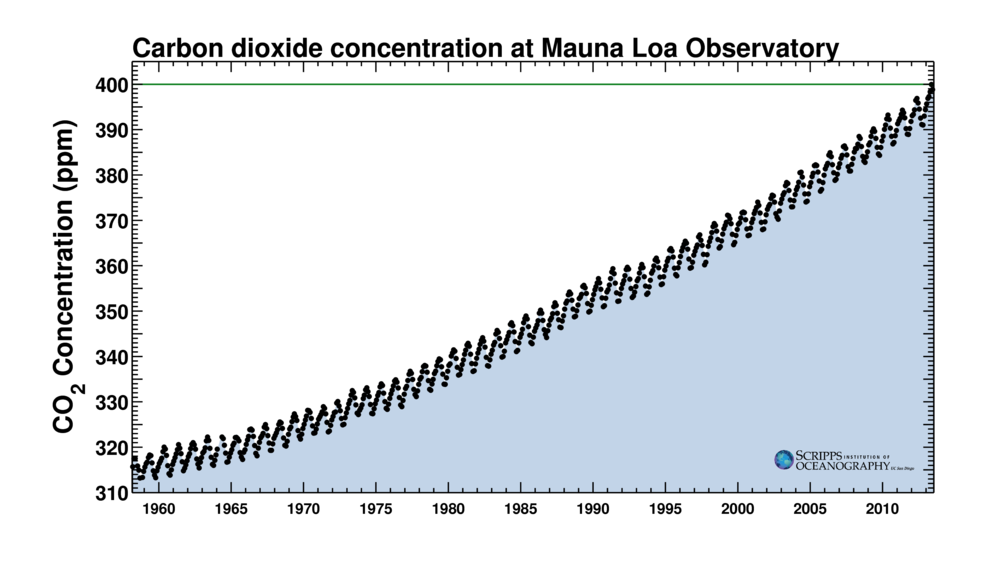
Pollution over Mexico CityGood news everybody! Okay, not exactly good, but it is news, and on a rather important subject. Recently, the National Oceanic and Atmospheric Administration (NOAA) announced that the Manua Loa observatory in Hawaii had recorded atmospheric levels of carbon dioxide which exceeded 400 parts per million. This represented a major milestone, one which climatological researchers and scientists have feared for some time.

However, they have since amended that statement, saying that the readings were a fraction of a point lower at 399.89 ppm. Not exactly a reason to celebrate, and not that surprising either, since individual readings at any of NOAA’s observation stations are subject to revision on a regular basis. And regardless of whether or not the 400 ppm milestone has been passed, scientists are still adamant that this reading is cause for concern.

keeling_curveAs has been stated repeatedly, when it comes to the buildup of human created greenhouse gases, it is the rate of increase which is most important. That rate, which is measured by the Keeling Curve, shows that atmospheric CO2 levels are rising at unprecedented rates, driven largely by the burning of fossil fuels over the past two centuries.

Originally pioneered by scientist Charles D. Keeling in 1958 , this curve is the longest-running tally of carbon dioxide levels in the atmosphere and is maintained by the Scripps Institution of Oceanography in San Diego. The saw-tooth pattern of the incline reflects small seasonal variations within the long-term upward trend, which peak annually around the month of May.

Combining this studies conducted on glacial melting patterns, pollination patterns, geological and oceanographic surveys, a long-term picture emerges. For the past 800,000 years, CO2 levels have never exceeded 300 ppm, and there is no known geologic period in which rates increased as sharply as they are now. That level was at about 280 ppm at the advent of the Industrial Revolution in the 18th century, the period when the burning of fossil fuels began to soar.

trafficScripps geochemist Ralph Keeling, who has taken over the Keeling curve measurement from his late father, had this to say about the news:

I wish it weren’t true, but it looks like the world is going to blow through the 400-ppm level without losing a beat. At this pace we’ll hit 450 ppm within a few decades.

Tim Lueker, an oceanographer and carbon cycle researcher who is a longtime member of the Scripps CO2 Group, also weighed in on the significance of these latest readings:

The 400-ppm threshold is a sobering milestone and should serve as a wake-up call for all of us to support clean-energy technology and reduce emissions of greenhouse gases before it’s too late for our children and grandchildren.

What’s especially frightening about a rating of 400 ppm is the fact that planet Earth has not experienced that kind of CO2 concentration for over 3 million years, during the Pliocene Era. At that time, sea levels were between 60 and 80 feet higher than their current levels. If sea levels rise by this much in the coming decades, roughly 1 billion of the Earths inhabitants will be left homeless.

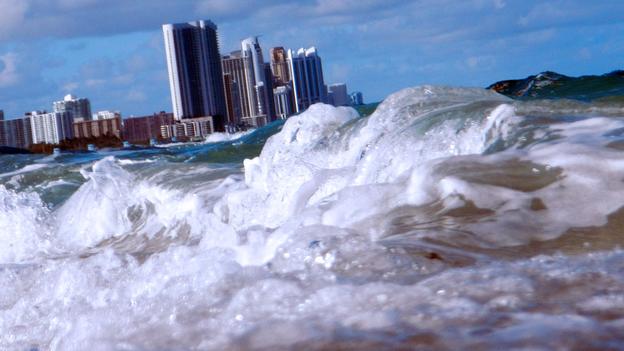
climate_changetideAdd to this the widespread droughts, wildfires and flooding taking place in inland communities, where unpredictable weather will cause rivers to overflow erode river banks and turn millions more into refugees. And as crops fail due to increased heat and depleted topsoil, the ability to feed the world’s population will also begin to plummet.

Of course, these are the most dire predictions and are often used to remind us just how important it is to clean up our act before its too late. Researching and developing cleaner methods is one approach, as is finding ways to capture the carbon emissions we are generating on a daily basis. But in the end, the greatest weapon in our arsenal is and always will be public awareness.

Consider yourselves informed. Now go spread the word!

In the meantime, enjoy this animated “Carbon Tracker” graph that shows us the time history of atmospheric carbon dioxide – courtesy of the National Oceanic & Atmospheric Administration.


Source:
articles.latimes.com
, esrl.noaa.gov, keelingcurve.ucsd.edu