The Future of Medicine: New Cancer Tests and Treatments

cancer_growingWhile a cure for cancer is still beyond medical science, improvements in how we diagnose and treat the disease are being made every day. These range from early detection, which makes all the difference in preventing the spread of the disease; to less-invasive treatments, which makes for a kinder, gentler recovery. By combining better medicine with cost-saving measures, accessibility is also a possibility.

When it comes to better diagnostics, the aim is to find ways to detect cancer without harmful and expensive scans or exploratory surgery. An alternative is a litmus test, like the one invented by Jack Andraka to detect pancreatic cancer. His method, which was unveiled at the 2012 Intel International Science and Engineering Fair (ISEF), won him the top prize due to the fact that it’s 90% accurate, 168 times faster than current tests and 1/26,000th the cost of regular tests.

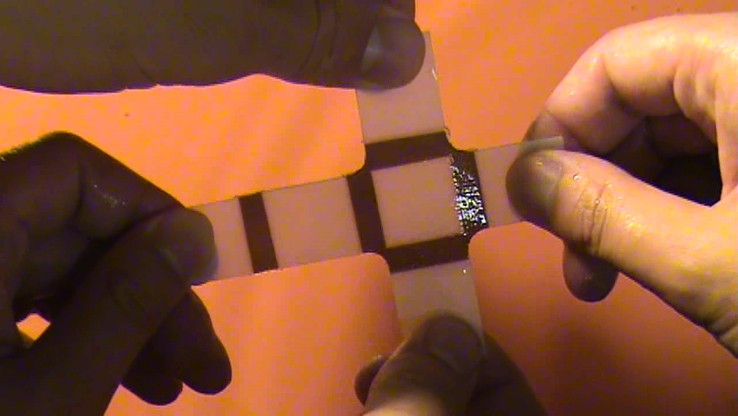
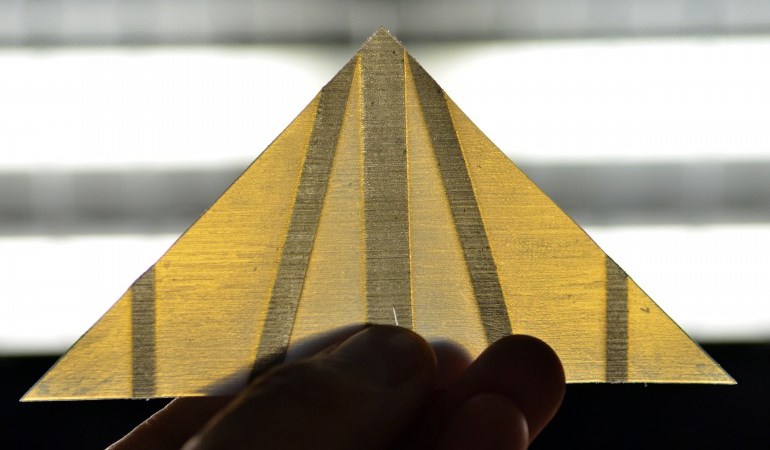
cancer_peetestSince that time, Jack and his research group (Generation Z), have been joined by such institutions as MIT, which recently unveiled a pee stick test to detect cancer. In research published late last month in the Proceedings of the National Academy of Sciences, MIT Professor Sangeeta Bhatia reported that she and her team developed paper test strips using the same technology behind in-home pregnancy tests, ones which were able to detect colon tumors in mice.

The test strips work in conjunction with an injection of iron oxide nanoparticles, like those used as MRI contrast agents, that congregate at tumor sites in the body. Once there, enzymes known as matrix metalloproteinases (MMPs), which cancer cells use to invade healthy tissue, break up the nanoparticles, which then pass out through the patient’s urine. Antibodies on the test strip grab them, causing gold nanoparticles to create a red color indicating the presence of the tumor.

cancer_peetest2According to Bhatia, the technology is likely to make a big splash in developing countries where complicated and expensive medical tests are a rarity. Closer to home, the technology is also sure to be of significant use in outpatient clinics and other decentralized health settings. As Bhatia said in a press release:

For the developing world, we thought it would be exciting to adapt (the technology) to a paper test that could be performed on unprocessed samples in a rural setting, without the need for any specialized equipment. The simple readout could even be transmitted to a remote caregiver by a picture on a mobile phone.

To help Bhatia and her research team to bring her idea to fruition, MIT has given her and her team a grant from the university’s Deshpande Center for Technological Innovation. The purpose of the grant is to help the researchers develop a startup that could execute the necessary clinical trials and bring the technology to market. And now, Bhatia and her team are working on expanding the test to detect breast, prostate cancers, and all other types of cancer.

?????????????In a separate but related story, researchers are also working towards a diagnostic methods that do not rely on radiation. While traditional radiation scanners like PET and CT are good at finding cancer, they expose patients to radiation that can create a catch-22 situation where cancer can be induced later in life, especially for younger patients. By potentially inducing cancer in young people, it increases the likelihood that they will have to be exposed to more radiation down the line.

The good news is that scientists have managed to reduce radiation exposure over the past several years without sacrificing image quality. But thanks to ongoing work at the Children’s Hospital of Michigan, the Stanford School of Medicine, and Vanderbilt Children’s Hospital, there’s a potential alternative that involves combining MRI scans with a contrast agent, similar to the one Prof. Bhatia and her MIT group use in their peestick test.

cancer_braintumorAccording to a report published in the journal The Lancet Oncology, the researchers claimed that the new MRI approach found 158 tumors in twenty-two 8 to 33-year-olds, compared with 163 found using the traditional PET and CT scan combo. And since MRIs use radio waves instead of radiation, the scans themselves have no side effects. While the study is small, the positive findings are a step toward wider-spread testing to determine the effectiveness and safety of the new method.

The next step in testing this method will be to study the approach on more children and investigate how it might work in adults. The researchers say physicians are already launching a study of the technique in at least six major children’s hospitals throughout the country. And because the cost of each method could be roughly the same, if the MRI approach proves just as effective yet safer, radiation-free cancer scans are likely to be the way of the future.

cancer_georgiatechAnd last, but not least, there’s a revolutionary new treatment pioneered by researchers at Georgia Tech that relies on engineered artificial pathways to lure malignant cells to their death. This treatment is designed to address brain tumors – aka. Glioblastoma multiform cancer (GBM) – which are particularly insidious because they spread through the brain by sliding along blood vessels and nerve passageways (of which the brain has no shortage of!)

This capacity for expansion means that sometimes tumors developed in parts of the brain where surgery is extremely difficult – if not impossible – or that even if the bulk of a tumor can be removed, chances are good its tendrils would still exist throughout the brain. That is where the technique developed by scientists at Georgia Tech comes in, which involves creating artificial pathways along which cancer can travel to either more operable areas or even to a deadly drug located in a gel outside the body.

cancer_georgiatech1According to Ravi Bellamkonda, lead investigator and chair of the Wallace H. Coulter Department of Biomedical Engineering at Georgia Tech and Emory University:

[T]he cancer cells normally latch onto … natural structures and ride them like a monorail to other parts of the brain. By providing an attractive alternative fiber, we can efficiently move the tumors along a different path to a destination that we choose.

The procedure was reported in a recent issue of the journal Nature Materials. It involved Bellamkonda and his team implanting nanofibers about half the size of a human hair in rat brains where GBMs were growing. The fibers were made from a polycaprolactone (PCL) polymer surrounded by a polyurethane carrier and mimicked the contours of the nerves and blood vessels cancer cells like to use as a biological route.

cancer_georgiatech2One end of a fiber was implanted into the tumor inside the brain and the other into a gel containing the drug cyclopamine (which kills cancer cells) outside the brain. After 18 days, enough tumor cells had migrated along the fiber into the gel to shrink the tumor size 93 percent. Not only does Bellamkonda think his technique could be used to relocate and/or destroy cancers, he says he believes it could be used to help people live with certain inoperable cancers as a chronic condition.

In a recent statement, Bellakomba had this to say about the new method and the benefits its offers patients:

If we can provide cancer an escape valve of these fibers, that may provide a way of maintaining slow-growing tumors such that, while they may be inoperable, people could live with the cancers because they are not growing. Perhaps with ideas like this, we may be able to live with cancer just as we live with diabetes or high blood pressure.

Many of today’s methods for treating cancer focus on using drugs to kill tumors. The Georgia Tech team’s approach was engineering-driven and allows cancer to be treated with a device rather than with chemicals, potentially saving the patient many debilitating side effects. Part of the innovation in the technique is that it’s actually easier for tumors to move along the nanofibers than it is for them to take their normal routes, which require significant enzyme secretion as they invade healthy tissue.

cancer_georgiatech3Anjana Jain, the primary author of the study, was also principally responsible for the design of the nanofiber technique. After doing her graduate work on biomaterials used for spinal cord regeneration, she found herself working in Bellamkonda’s lab as a postdoctoral fellow and came up with the idea of routing materials using engineered materials. In a recent statement, she said the following of her idea:

Our idea was to give the tumor cells a path of least resistance, one that resembles the natural structures in the brain, but is attractive because it does not require the cancer cells to expend any more energy.

Extensive testing, which could take up to 10 years, still needs to be conducted before this technology can be approved for use in human patients. In the meantime, Bellamkonda and his team will be working towards using this technology to lure other cancers that like to travel along nerves and blood vessels. With all the advances being made in diagnostics, treatments, and the likelihood of a cure being found in the near future, the 21st century is likely to be the era where cancer becomes history.

Sources: news.cnet.com, (2), (3)

Making Tech Accessible: Helping Amputees in War-Torn Sudan

3Dprinting_SudanThe new year is just flying by pretty quickly, and many relevant stories involving life-changing tech developments are flying by even faster. And in my business and haste to deal with my own writing, I’ve sadly let a lot of stories slip through my fingers. Lucky for me that there’s no statute of limitations when it comes to blogging. Even if you cover something late, it’s not like someone’s going to fire you!

That said, here is one news item I’m rather of ashamed of having not gotten to sooner. It’s no secret that 3D printing is offering new possibilities for amputees and prosthetic devices, in part because the technology is offering greater accessibility and lower costs to those who need them. And one area that is in serious need is the developing and wartorn nation of Sudan.

robotic_hand2And thanks to Mick Ebeling, co-founder and CEO of Not Impossible Labs, 3D printed prosthetics are now being offered to victims of the ongoing war. After learning of a 14-year old boy named Daniel who lost both arms in a government air raid, he traveled to the Nuba Mountains to meet him in person. Having already worked on a similar project in South Africa, he decided to bring 3D printed prosthetics to the area.

Ebeling was so moved by Daniel’s plight that he turned to a world-class team of thinkers and doers – including the inventor of the Robohand, an MIT neuroscientist, a 3D printing company in California, and funding from Intel and Precipart – to see how they could help Daniel and kids like him. Fittingly, he decided to name it “Project Daniel”.

ProjectDaniel-Training-NotImpossibleAnd now, just a year later, Not Impossible Labs has its own little lab at a hospital in the region where it is able to print prosthetic arms for $100 a pop, and in less than six hours. Meanwhile, Daniel not only got his left-arm prosthetic in November, but he is currently employed at the hospital helping to print prosthetics for others children who have suffered the same fate as him.

Ebeling says the printed arm isn’t as sophisticated as others out there, but it did allow him to feed himself for the first time in two years. And while Daniel won’t be able to lift heavy objects or control his fingers with great precision, the prosthetic is affordable and being produced locally, so it also serves as an economically viable stand-in until the tech for 3D-printed prosthetics improves and comes down in cost.

Not-ImpossibleNot Impossible Labs, which has already fitted others with arms, says it hopes to extend its campaign to thousands like Daniel. It’s even made the design open source in the hopes that others around the world will be able to replicate the project, setting up similar labs to provide low-cost prosthetics to those in need. After all, there are plenty of war torn regions in the developing world today, and no shortage of victims.

In the coming years, it would be incredibly encouraging to see similar labs set up in developing nations in order to address the needs of local amputees. In addition to war, landmines, terrorism, and even lack of proper medical facilities give rise to the need for cheap, accessible prosthetics. All that’s really needed is an internet connection, a 3D printer, and some ABS plastic for raw material.

ProjectDaniel-Mohammad&Daniel-NotImpossibleNone of this is beyond the budgets of most governments or NGOs, so such partnerships are not only possible but entirely feasible. For the sake of kids like Daniel, it’s something that we should make happen! And in the meantime, check out this video below courtesy of Not Impossible Labs which showcases the printing technology used by Project Daniel and the inspiring story behind it.

And be sure to check out their website for more information and information on how you can help!


Source:
news.cnet.com, notimpossiblelabs.com

The Future of Medicine: Elastic Superglue and DNA Clamps

nanomachineryIf there’s one thing medical science is looking to achieve, it’s ways of dealing with sickness and injuries that are less invasive. And now more than ever, researchers are looking to the natural world for solutions. Whether it is working with the bodies own components to promote healing, or using technologies that imitate living organism, the future of medicine is all about engineered-natural solutions.

Consider the elastic glue developed by associate professor Jeffrey Karp, a Canadian-born medical researcher working at Harvard University. Created for heart surgery, this medical adhesive is designed to replace sutures and staples as the principle means of sealing incisions and defects in heart tissue. But the real kicker? The glue was inspired by sticky natural secretions of slugs.

hlaa-4Officially known as hydrophobic light-activated adhesive (HLAA), the glue was developed in a collaboration between Boston Children’s Hospital, MIT, and Harvard-affiliated Brigham and Women’s Hospital. And in addition to being biocompatible and biodegradable (a major plus in surgery), it’s both water-resistant and elastic, allowing it to stretch as a beating heart expands and contracts.

All of this adds up to a medical invention that is far more user-friendly than stitches and staples, does not have to be removed, and will not cause complications. On top of all that, it won’t complicate healing by restricting the heart’s movements, and only becomes active when an ultraviolet light shines on it, so surgeons can more accurately bind the adhesive exactly where needed.

hlaa-3The technology could potentially be applied not just to congenital heart defects, but to a wide variety of organs and other body parts. In an recent interview with CBC Radio’s Quirks & Quarks, Karp explained the advantages of the glue:

Sutures and staples really are not mechanically similar to the tissues in the body, so they can induce stress on the tissue over time. This is a material that’s made from glycerol and sebacic acid, both of which exist in the body and can be readily metabolized. What happens over time is that this material will degrade. Cells will invade into it and on top of it, and ideally the hole will remain closed and the patient won’t require further operations.

In lab tests, biodegradable patches coated with HLAA were applied to holes in the hearts of live pigs. Despite the high pressure of the blood flowing through the organs, the patches maintained a leakproof seal for the 24-hour test period. HLAA is now being commercially developed by Paris-based start-up Gecko Biomedical, which hopes to have it on the market within two to three years.

dnaclampIn another recent development, scientists at the Université de Montréal have created a new DNA clamp capable of detecting the genetic mutations responsible for causing cancers, hemophilia, sickle cell anemia and other diseases. This clamp is not only able to detect mutations more efficiently than existing techniques, it could lead to more advanced screening tests and more efficient DNA-based nanomachines for targeted drug delivery.

To catch diseases at their earliest stages, researchers have begun looking into creating quick screening tests for specific genetic mutations that pose the greatest risk of developing into life-threatening illnesses. When the nucleotide sequence that makes up a DNA strand is altered, it is understood to be a mutation, which specific types of cancers can be caused by.

DNA-MicroarrayTo detect this type of mutation and others, researchers typically use molecular beacons or probes, which are DNA sequences that become fluorescent on detecting mutations in DNA strands. The team of international researchers that developed the DNA clamp state that their diagnostic nano machine allows them to more accurately differentiate between mutant and non-mutant DNA.

According to the research team, the DNA clamp is designed to recognize complementary DNA target sequences, binds with them, and form a stable triple helix structure, while fluorescing at the same time. Being able to identify single point mutations more easily this way is expected to help doctors identify different types of cancer risks and inform patients about the specific cancers they are likely to develop.

dna_cancerDiagnosing cancer at a genetic level could potentially help arrest the disease, before it even develops properly. Alexis Vallée-Bélisle, a Chemistry Professor at the Université de Montréal, explained the long-term benefits of this breakthrough in a recent interview:

Cancer is a very complex disease that is caused by many factors. However, most of these factors are written in DNA. We only envisage identifying the cancers or potential of cancer. As our understanding of the effect of mutations in various cancer will progress, early diagnosis of many forms of cancer will become more and more possible.

Currently the team has only tested the probe on artificial DNA, and plans are in the works to undertake testing on human samples. But the team also believes that the DNA clamp will have nanotechnological applications, specifically in the development of machines that can do targeted drug-delivery.

dna_nanomachineFor instance, in the future, DNA-based nanomachines could be assembled using many different small DNA sequences to create a 3D structure (like a box). When it encounters a disease marker, the box could then open up and deliver the anti-cancer drug, enabling smart drug delivery. What’s more, this new DNA clamp could prove intrinsic in that assembly process.

Professor Francesco Ricci of the University of Rome, who collaborated on the project, explained the potential in a recent interview:

The clamp switches that we have designed and optimized can recognize a DNA sequence with high precision and high affinity. This means that our clamp switches can be used, for example, as super-glue to assemble these nano machines and create a better and more precise 3D structure that can, for example, open in the presence of a disease marker and release a drug.

Hmm, glues inspired by mollusc secretions, machines made from DNA. Medical technology is looking less like technology and more like biology every day now!

Sources: cbc.ca, gizmag.com, (2)

News From Space: Luna Rings and Spidersuits!

space_cameraSpace is becoming a very interesting place, thanks to numerous innovations that are looking ahead to the next great leap in exploration. With the Moon and Mars firmly fixed as the intended targets for future manned missions, everything from proposed settlements and construction projects are being plotted, and the requisite tools are being fashioned.

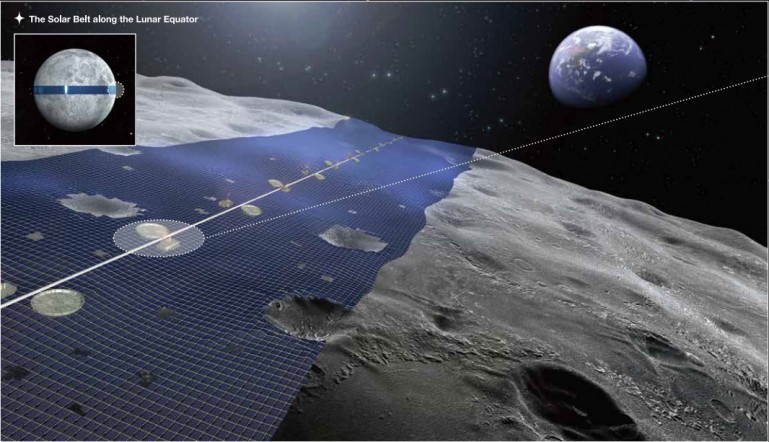
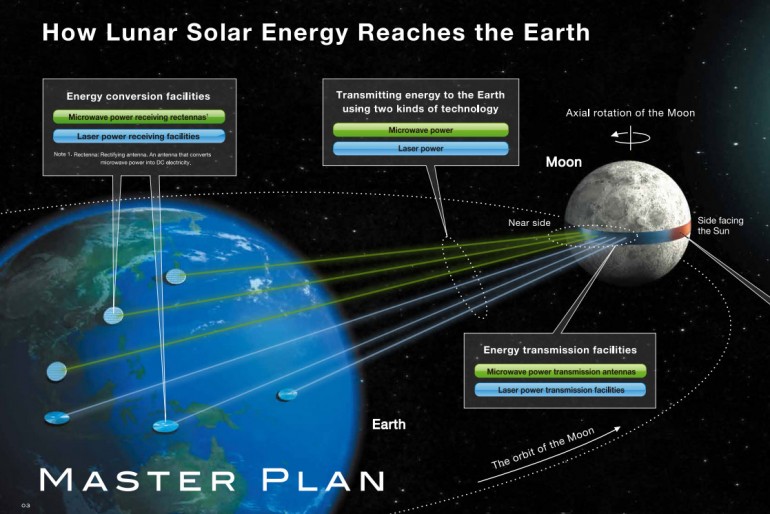
For instance, the Shimizu Corporation (the designers of the Shimizu Mega-City Pyramid), a Japanese construction firm, has proposed a radical idea for bringing solar energy to the world. Taking the concept of space-based solar power a step further, Shimizu has proposed the creation of a “Luna Ring” – an array of solar cells around the Moon’s 11000 km (6800 mile) equator to harvest solar energy and beam it back to Earth.

lunaringThe plan involves using materials derived from lunar soil itself, and then using them to build an array that will measure some 400 km (250 miles) thick. Since the Moon’s equator receives a steady amount of exposure to the Sun, the photovoltaic ring would be able to generate a continuous amount of electricity, which it would then beam down to Earth from the near side of the Moon.

It’s an ambitious idea that calls for assembling machinery transported from Earth and using tele-operated robots to do the actual construction on the Moon’s surface, once it all arrives. The project would involve multiple phases, to be spread out over a period of about thirty years, and which relies on multiple strategies to make it happen.

lunaring-1For example, the firm claims that water – a necessary prerequisite for construction – could be produced by reducing lunar soil with hydrogen imported from Earth. The company also proposes extracting local regolith to fashion “lunar concrete”, and utilizing solar-heat treatment processes to fashion it into bricks, ceramics, and glass fibers.

The remotely-controlled robots would also be responsible for other construction tasks, such as excavating the surrounding landscape, leveling the ground, laying out solar panel-studded concrete, and laying embedded cables that would run from the ring to a series of transmission stations located on the Earth-facing side of the Moon.

space-based-solarpowerPower could be beamed to the Earth through microwave power transmission antennas, about 20 m (65 ft) in diameter, and a series of high density lasers, both of which would be guided by radio beacons. Microwave power receiving antennas on Earth, located offshore or in areas with little cloud cover, could convert the received microwave power into DC electricity and send it to where it was needed.

The company claims that it’s system could beam up to 13,000 terawatts of power around-the-clock, which is roughly two-thirds of what is used by the world on average per year. With such an array looming in space, and a few satellites circling the planet to pick up the slack, Earth’s energy needs could be met for the foreseable future, and all without a single drop of oil or brick of coal.

The proposed timeline has actual construction beginning as soon as 2035.

biosuitAnd naturally, when manned missions are again mounted into space, the crews will need the proper equipment to live, thrive and survive. And since much of the space suit technology is several decades old, space agencies and private companies are partnering to find new and innovative gear with which to equip the men and women who will brave the dangers of space and planetary exploration.

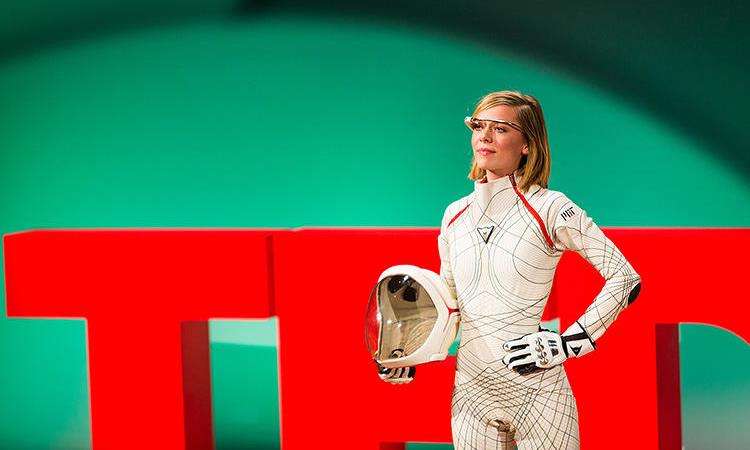
Consider the Biosuit, which is a prime example of a next-generation technology designed to tackle the challenges of manned missions to Mars. Created by Dava Newman, an MIT aerospace engineering professor, this Spiderman-like suit is a sleeker, lighter alternative to the standard EVA suits that weigh approximately 135 kilograms (300 pounds).

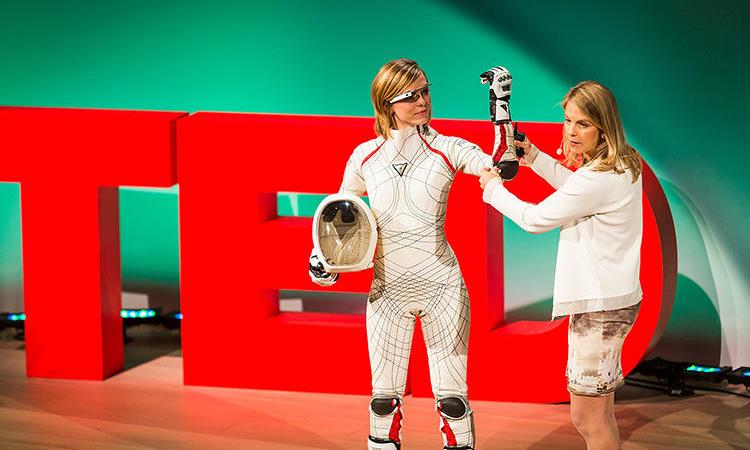
biosuit_dava_newmanFor over a decade now, Newman has been working on a suit that is specifically designed for Mars exploration. At this year’s TEDWomen event in San Francisco, she showcased her concept and demonstrated how its ergonomic design will allow astronauts to explore the difficult terrain of the Red Planet without tripping over the bulk they carry with the current EVA suits.

The reason the suit is sleek is because it’s pressurized close to the skin, which is possible thanks to tension lines in the suit. These are coincidentally what give it it’s Spiderman-like appearance, contributing to its aesthetic appeal as well. These lines are specifically designed to flex as the astronauts ends their arms or knees, thus replacing hard panels with soft, tensile fabric.

biosuit1Active materials, such as nickel-titanium shape-memory alloys, allow the nylon and spandex suit to be shrink-wrapped around the skin even tighter. This is especially important, in that it gets closer Newman to her goal of designing a suit that can contain 30% of the atmosphere’s pressure – the level necessary to keep someone alive in space.

Another benefit of the BioSuit is its resiliency. If it gets punctured, an astronaut can fix it with a new type of space-grade Ace Bandage. And perhaps most importantly, traditional suits can only be fitted to people 5′ 5″ and taller, essentially eliminating short women and men from the astronaut program. The BioSuit, on the other hand, can be built for smaller people, making things more inclusive in the future.

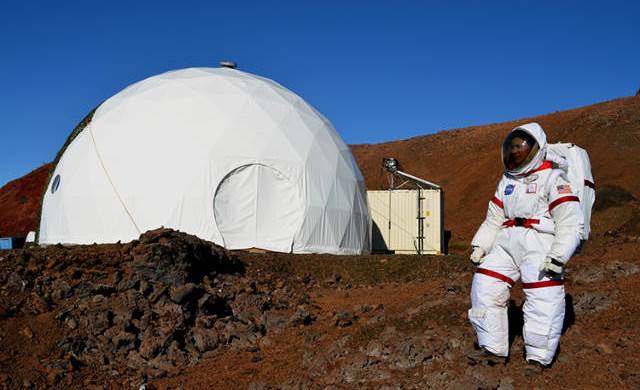
Mars_simulationNewman is designing the suit for space, but she also has some Earth-bound uses in mind . Thanks to evidence that showcases the benefits of compression to the muscles and cardiovascular system, the technology behind the Biosuit could be used to increase athletic performance or even help boost mobility for people with cerebral palsy. As Newman herself put it:

We’ll probably send a dozen or so people to Mars in my lifetime. I hope I see it. But imagine if we could help kids with CP just move around a little bit better.

With proper funding, Newman believes she could complete the suit design in two to three years. It would be a boon to NASA, as it appears to be significantly cheaper to make than traditional spacesuits. Funding isn’t in place yet, but Newman still hopeful that the BioSuit will be ready for the first human mission to Mars, which are slated for sometime in 2030.

In the meantime, enjoy this video of the TEDWomen talk featuring Newman and her Biosuit demonstration:

Sources: gizmag, fastcoexist, blog.ted

The Future of Physics: Entanglements and Wormholes

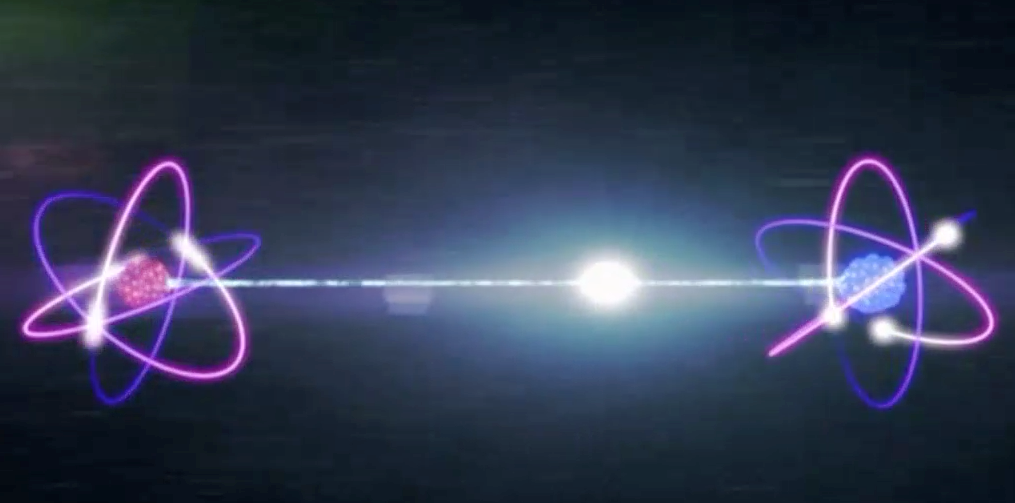
worm_holeQuantum entanglements are one of the most bizarre aspects of quantum physics, so much so that Albert Einstein himself referred to it as “spooky action at a distance.” Basically, the concept involves two particles with each occupying multiple states at once. Until such time as one is measured, neither has a definite state, causing the other particle to instantly assume a corresponding state, even if they reside on opposite ends of the universe.

But what enables particles to communicate instantaneously – and seemingly faster than the speed of light – over such vast distances? Earlier this year, physicists proposed an answer in the form of “wormholes,” or gravitational tunnels. The group showed that by creating two entangled black holes, then pulling them apart, they formed a wormhole connecting the distant black holes.

quantum-entanglement1Now an MIT physicist has found that, looked at through the lens of string theory, the creation of two entangled quarks — the very building blocks of matter — simultaneously gives rise to a wormhole connecting the pair. The theoretical results bolster the relatively new and exciting idea that the laws of gravity that hold the universe together may not be fundamental, but may arise from quantum entanglement themselves.

Julian Sonner, a senior postdoc at MIT’s Laboratory for Nuclear Science and Center for Theoretical Physics, published the results of his study in the journal Physical Review Letters, where it appears together with a related paper by Kristan Jensen of the University of Victoria and Andreas Karch of the University of Washington. Already, the theory is causing quite the buzz for scientists and fans of sci-fi who would like to believe FTL is still possible.

quantum_field_theoryThis is certainly good news for scientists looking to resolve the fundamental nature of the universe by seeing how its discernible laws fit together. Ever since quantum mechanics was first proposed more than a century ago, the main challenge for physicists has been to explain how it correlates to gravity. While quantum mechanics works extremely well at describing how things work on the microscopic level, it remains incompatible with general relativity.

For years, physicists have tried to come up with a theory that can marry the two fields. This has ranged from proposing the existence of a subatomic particle known as the “graviton” or “dilaton”, to various Grand Unifying Theories – aka. Theory of Everything (TOE) – such as Superstring Theory, Loop Quantum Gravity, and other theoretical models to explain the interaction. But so far, none have proven successful.

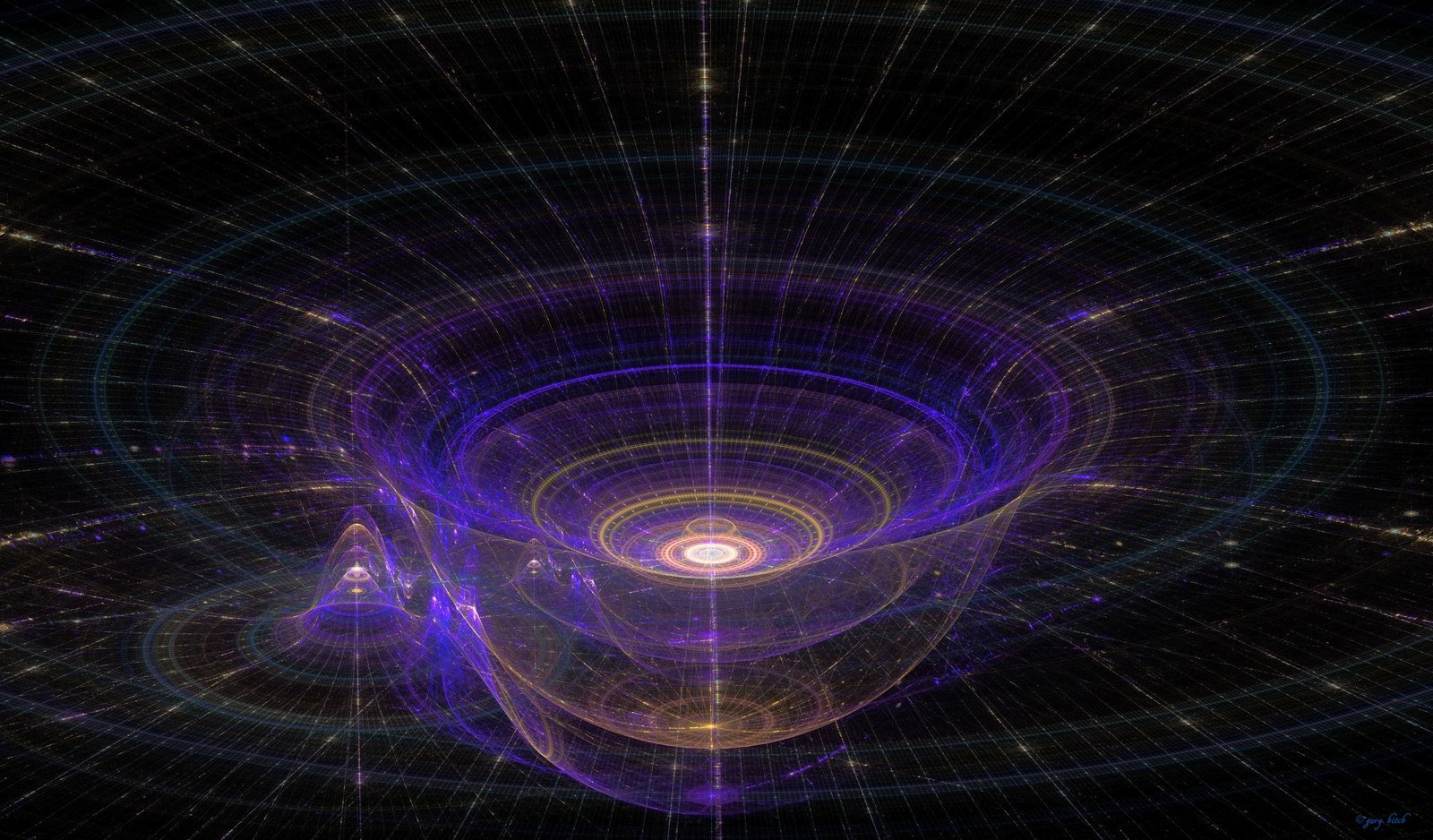
gravity_well_cartography_2_by_lordsong-d5lrxwsA theory of quantum gravity would suggest that classical gravity is not a fundamental concept, as Einstein first proposed, but rather emerges from a more basic, quantum-based phenomenon. In a macroscopic context, this would mean that the universe is shaped by something more fundamental than the forces of gravity. This is where quantum entanglement could play a role.

Naturally, there is a problem with this idea. Two entangled particles, “communicating” across vast distances, would have to do so at speeds faster than that of light — a violation of the laws of physics, according to Einstein. In July, physicists Juan Maldacena of the Institute for Advanced Study and Leonard Susskind of Stanford University proposed a theoretical solution in the form of two entangled black holes.

big bang_blackholeWhen the black holes were entangled, then pulled apart, the theorists found that what emerged was a wormhole – a tunnel through space-time that is thought to be held together by gravity. The idea seemed to suggest that, in the case of wormholes, gravity emerges from the more fundamental phenomenon of entangled black holes. Following up on work by Jensen and Karch, Sonner has sought to tackle this idea at the level of quarks.

To see what emerges from two entangled quarks, he first generated entangled quarks using the Schwinger effect — a concept in quantum theory that enables one to create particles out of nothing. Sonner then mapped the entangled quarks onto a four-dimensional space, considered a representation of space-time. In contrast, gravity is thought to exist in the fifth dimension. According to Einstein’s laws, it acts to “bend” and shape space-time.

black_holeTo see what geometry may emerge in the fifth dimension from entangled quarks in the fourth, Sonner employed holographic duality, a concept in string theory. While a hologram is a two-dimensional object, it contains all the information necessary to represent a three-dimensional view. Essentially, holographic duality is a way to derive a more complex dimension from the next lowest dimension.

Using holographic duality, Sonner derived the entangled quarks, and found that what emerged was a wormhole connecting the two, implying that the creation of quarks simultaneously creates a wormhole between them. More fundamentally, the results suggest that gravity itself may emerge from quantum entanglement. On top of all that, the geometry, or bending, of the universe as described by classical gravity, may also be a consequence of entanglement.

quantum-entanglement3As Sonner put it in his report, the results are a theoretical explanation for a problem that has dogged scientists who quite some time:

There are some hard questions of quantum gravity we still don’t understand, and we’ve been banging our heads against these problems for a long time. We need to find the right inroads to understanding these questions… It’s the most basic representation yet that we have where entanglement gives rise to some sort of geometry. What happens if some of this entanglement is lost, and what happens to the geometry? There are many roads that can be pursued, and in that sense, this work can turn out to be very helpful.

Granted, the idea of riding wormholes so that we, as humans, can travel from one location in space to another is still very much science fiction, knowing that there may very well be a sound, scientific basis for their existence is good news for anyone who believes we will be able to “jump” around the universe in the near to distant future. I used to be one of them, now… I think I might just be a believer again!

USS_Enterprise_caught_in_artificial_wormhole-640x272Sources: web.mit.edu, extremetech.com

The Future is Here: 4-D Printing

4dprintingmaterial3-D printing has already triggered a revolution in manufacturing by allowing people to determine the length, width and depth of an object that they want to create. But thanks to research being conducted at the University of Colorado, Boulder, a fourth dimension can now be included – time. Might sounds like science fiction, until you realize that the new manufacturing process will make it possible to print objects that change their shape at a given time.

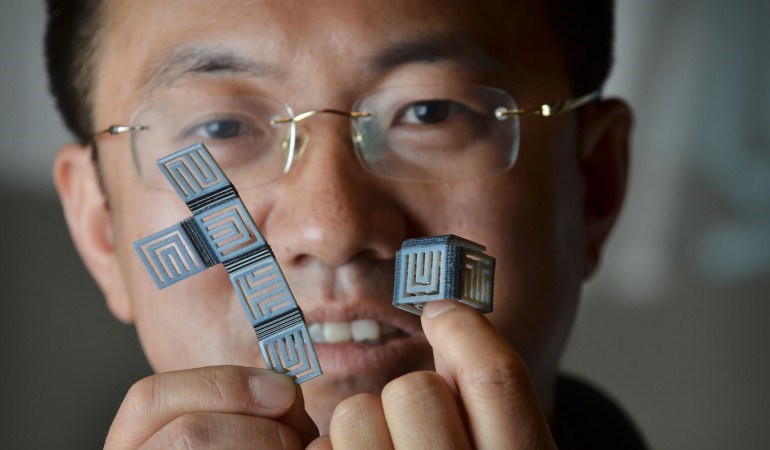
Led by Prof. H. Jerry Qi, the scientific team have developed a “4D printing” process in which shape-memory polymer fibers are deposited in key areas of a composite material item as it’s being printed. By carefully controlling factors such as the location and orientation of the fibers, those areas of the item will fold, stretch, curl or twist in a predictable fashion when exposed to a stimulus such as water, heat or mechanical pressure.

4dprintingmaterial1The concept was proposed earlier this year by MIT’s Skylar Tibbits, who used his own 4D printing process to create a variety of small self-assembling objects. Martin L. Dunn of the Singapore University of Technology and Design, who collaborated with Qi on the latest research, explained the process:

We advanced this concept by creating composite materials that can morph into several different, complicated shapes based on a different physical mechanism.

This means that one 4D-printed object could change shape in different ways, depending on the type of stimulus to which it was exposed. That functionality could make it possible to print a photovoltaic panel in a flat shape, expose it to water to cause it to fold up for shipping, and then expose it to heat to make it fold out to yet another shape that’s optimal for catching sunlight.

4dprintingmaterial2This principle may sound familiar, as it is the basis of such sci-fi concepts as polymorphic alloys or objects. It’s also the idea behind the Milli-Motein, the shape-shifting machine invented by MITs Media Labs late last year. But ultimately, it all comes back to organic biology, using structural biochemistry and the protein cell as a blueprint to create machinery made of “smart” materials.

The building block of all life, proteins can assume an untold number of shapes to fulfill an organism’s various functions, and are the universal workforce to all of life. By combining that concept with the world of robotics and manufactured products, we could be embarking upon an era of matter and products that can assume different shapes as needed and on command.

papertab-touchAnd if these materials can be scaled to the microscopic level, and equipped with tiny computers, the range of functions they will be able to do will truly stagger the mind. Imagine furniture made from materials that can automatically respond to changes in pressure and weight distribution. Or paper that is capable of absorbing your pencil scratches and then storing it in its memory, or calling up image displays like a laptop computer?

And let’s not forget how intrinsic this is to the field of nanotechnology. Smarter, more independent materials that can change shape and respond to changes in their environment, mainly so they can handle different tasks, is all part of the Fabrication Revolution that is expected to explode this century. Here’s hoping I’m alive to see it all. Sheldon Cooper isn’t the only one waiting on the Technological Singularity!

Source: gizmag.com

The Future of Space Travel: Stamp-Sized Thrusters

MIT_microthrustersReducing the cost of space missions is one of the greatest challenges facing engineers and technicians today. With a myriad of planned missions, ranging from everything to a settlement on the Moon, sending satellites to Near-Earth asteroids, and manned missions to Mars, the goal of making space travel more affordable is a persistent and important one.

As it stands, most efforts are directed towards created craft that are either reusable, repurposed, or simply don’t rely on big, expensive and disposable rockets to get them into orbit. But another angle at bringing the cost of missions down is focusing on the size of the space craft themselves. If they could be shrunk down to the point where they are no larger than a paperweight, sending them into space could be done on the cheap.

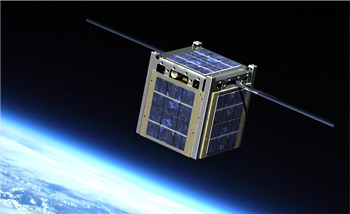
cubesatAlready we are seeing this idea at work with CubeSats, a new breed of satellites that are roughly the size of a Rubik’s cube. Over the past decade, dozens of these satellites have been sent into space, often as part of University projects. Since most sensor and survey equipment is now small enough that it can fit into a shoebox, the CubeSat design is ideal for departments that cannot afford to mount multimillion dollar space missions.

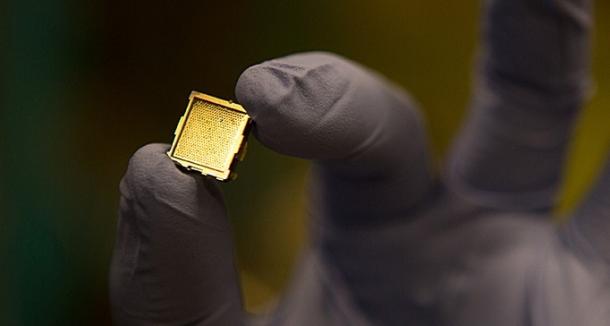
Expanding on this concept, MIT’s Poalo Lozano, a professor and the director of the Institute’s Space Propulsion Laboratory, has unveiled a new type of “microthruster” which, when added to the scaled-down satellites, could radically reduce the cost of space missions even further.  Roughly the size of a stamp, these tiny ion-engines would prolong the use of satellites by ensuring they could maneuver in space.

CubeSatsUp until now, CubeSat’s have had a limited life expectancy as their orbits inevitably decay and they burn up in the Earth’s atmosphere. But by equipping them with an Electrospray Propulsion System (iEPS), these pint-sized satellites would be able to conduct life-saving maneuvers that would extend their period of service and give them new functionality.

The thrusters are basically a liquid-fuel system that, when a voltage is applied, emit a stream of ions through tiny nozzles that propel the satellite forward. According to Lozano, four of these thrusters could provide attitude control and main propulsion for standard solar-powered “1U” CubeSat, which measures about 10 centimeters (4 inches) on a side and weighs 1 kilogram (2.2 pounds).

europa-lander-2But more exciting are the long-term prospects created by the addition of these tiny thrusters. For the price of sending a large spacecraft, a fleet of CubeSats could be dispatched to explore the moons of Jupiter. Other possible missions include clearing the massive pile of orbital debris floating around the Earth, de-orbiting satellites at the end of their service lives, and correcting atmospheric drag in low Earth orbit.

Part of what makes plans like these so feasible is the fuel-to-weight ratio it allows for spacecraft, something which astronauts and space agencies always have to take into account. As the Space Propulsion Laboratory claims on their website:

Less than 150 g of propellant would be required by a 1U CubeSat to reach Earth’s escape velocity from [low Earth orbit] and explore interplanetary space.

cubesats2Other possibilities arise from the fact that iEPS units require very little in the way of fuel, so even scaled-up versions can be fitted to small satellites to provide cost-effective and fuel-efficient thrust. Scientists in Switzerland, for instance, say they can send a shoebox-size satellite to the moon in six months with only a few drops of fuel.

As Professor Lozano said, in regards to the long term plans for the iEPS concept:

The goal is to make [CubeSats] do most of the things we already do with big satellites, except in a less expensive way. People have very big plans for these very small spacecraft.

cubesats1But in reality, even the outer Solar System is not limit when it comes to this scaled-down satellite technology. Looking even further abroad, tiny satellites could be sent into deep space to map out what lies between our Solar System and other stars, or investigate the mysteries of the Milky Way. Asteroid prospecting could also benefit from small, cost-effective probes that are capable of navigating between rocks.

And when the technology is scaled down even further, perhaps even to the nano level, millions of tiny probes could be sent out into space to study dark matter, high-energy particles, and seek out new life. Combined with new technologies like space penetrators, entire solar systems and even galaxies could be seeded with tiny space sats. Exciting possibilities indeed!

And in the meantime, be sure to check out this video on CubeSat’s, courtesy of Singularity HUB:


Sources:
news.cnet.com, web.mit.edu, singularityhub.com

The Future is Here: The Copenhagen Wheel

copenhagen_wheelFans of the cable show Weeds ought to instantly recognize this invention. It was featured as a product invented by one of the characters while living (predictably) in Copenhagen. In addition, it was the subject of news stories, articles, design awards, and a whole lot of public interest. People wanted to get their hands on it, and for obvious reasons.

It’s known as the Copenhagen Wheel, a device invented by MIT SENSEable City Lab back in 2009 to electrify the bicycle. Since that time, engineers at MIT have been working to refine it in preparation for the day when it would be commercially available. And that time has come, as a new company called Superpedestrian announced that it has invested $2.1 million in venture capital to make the device available to the public.

copenhagen_wheel1Superpedestrian founder Assaf Biderman, who is also the SENSEable City lab associate director and one of the creators of the wheel, along with lab director Carlo Ratti, had this to say:

The project touched an exposed nerve somehow. Aside from news coverage and design awards, people were wanting it. Over 14,000 people emailed saying ‘I want to buy it, sell it, make it for you.

Three years after inventing it, Biderman finally decided that it was time to spin off a company to make it happen. MIT filed all the relevant patents, and Superpedestrian acquired exclusive licenses to the Copenhagen Wheel technology. And by late November, they plan to launch the wheel to the public for the very first time.

copenhagen_wheel2And though the much of the facts are being carefully guarded in preparation for the release, some details are already known. For example, the wheel can be fitted to almost any bike, is controlled by sensors in the peddles, and has a power assist feature that doesn’t require any work on the part of the rider. And according to Biderman, its range “will cover the average suburban commute, about 15 miles to and from work and back home.”

On top of that, a regenerative braking system stores energy for later use in a lithium battery. The wheel also comes with an app that allows users to control special features from their smartphone. These include being able to lock and unlock the bike, select motor assistance, and get real-time data about road conditions. An open-source platform called The Superpedestrian SDK also exists to allow developers to make on their own apps.

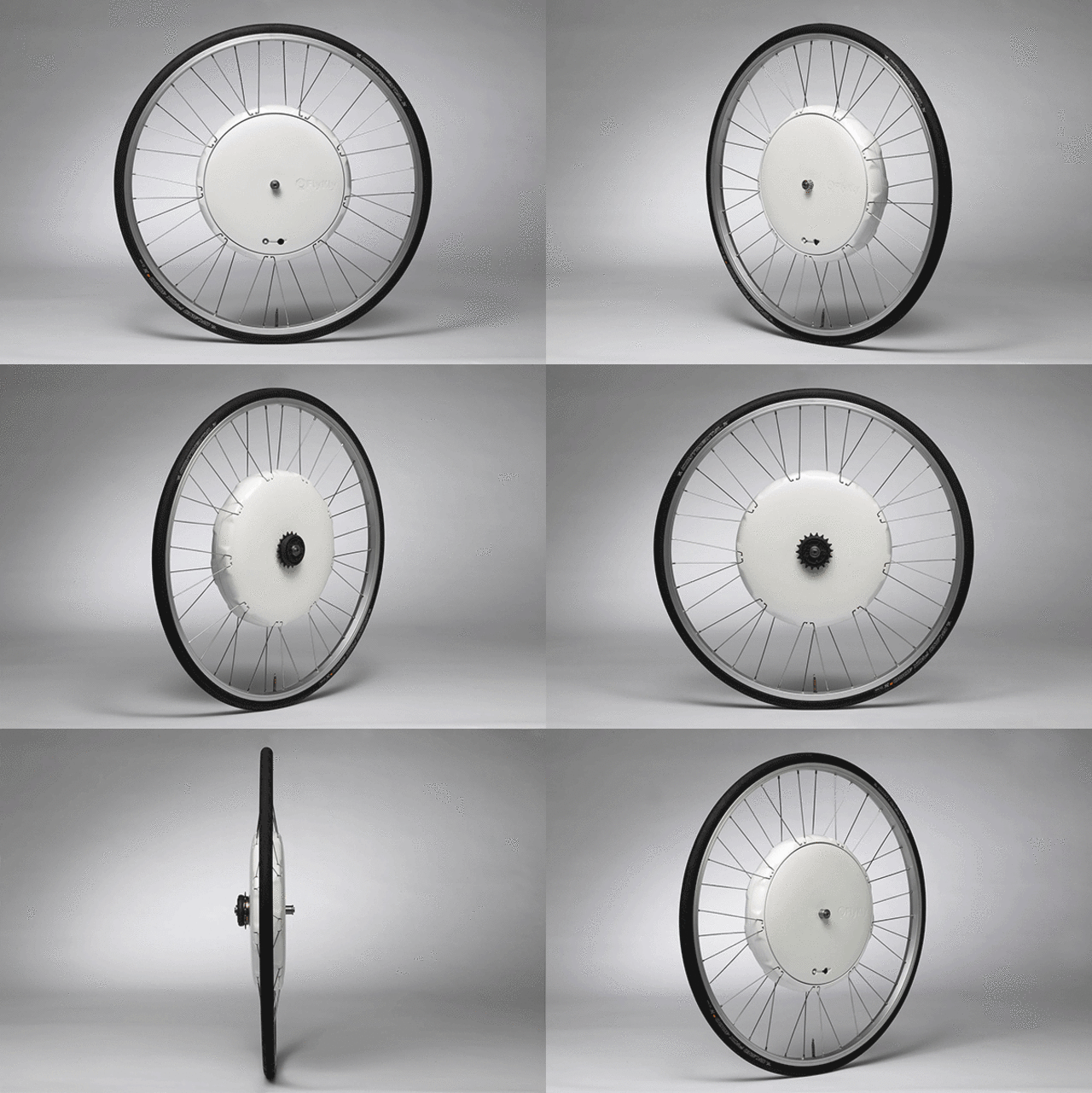
smartwheelrotatingInterestingly enough,the Copenhagen Wheel also has a rival, who’s appearance on the market seems nothing short of conspiratorial. Its competitor, the FlyKly Smart Wheel, a device which has raised over $150,000 on Kickstarter so far. It is extremely similar to the Copenhagen Wheel in most respects, from its electrical assistance to the fact that it can be integrated via smartphone.

According to Biderman, the appearance of the Smart Wheel is just a coincidence, though it is similar to their product. And her company really doesn’t have to worry about competition, since the Copenhagen Wheel has years of brand recognition and MIT name behind it. In terms of the the target audience, Biderman says that they are looking at targeting city dwellers as well as cyclists:

If you’re an urbanite, you can use it to move all around, and go as far as the edges of most cities with this quite easily. You overcome topographical challenges like hills. The point is to attract more people to cycling.

Though no indication has been given how much an individual unit will cost, it is expected to have a price point that’s competitive with today’s e-bikes.

copenhagen_wheel3The FlyKly Smart Wheel, by comparison, can be pre-ordered for $550 apiece. In total, that campaign has raised $301,867 (their original goal was $100,000) since opening on Oct. 16th. As a result, they have been able to reach their first “stretch goal” of producing a 20″ wheel. If they can reach $500,000 before the campaign closes on Nov. 25th, they will be able to deliver on their other goals: a motor brake and a glow in the dark casing.

For some time, designers and engineers have been trying to find ways to make alternative transportation both effective and attractive. Between these designs and a slew of others that will undoubtedly follow, it looks like e-bicycling may be set to fill that void. Combined with electric cars, self-driving cars, hydrogen cars, robotaxis, podcars, and high speed trains, we could be looking at the revolution in transit that we’ve been waiting for.

Sources: fastcoexist.com(2), kickstarter.com

Creating Dark Matter: The DarkLight Project

https://i0.wp.com/scienceblogs.com/startswithabang/files/2011/08/dark_matter_millenium_simulation.jpegFor several decades now, the widely accepted theory is that almost 27% of the universe is fashioned out of an invisible, mysterious mass known as “dark matter”. Originally theorized by Fritz Zwicky in 1933, the concept was meant to account for the “missing mass” apparent in galaxies in clusters. Since that time, many observations have suggested its existence, but definitive proof has remained elusive.

Despite our best efforts, no one has ever observed dark matter directly (nor dark energy, which is theorized to make up the remaining 68% of the universe). It’s acceptance as a theory has been mainly due to the fact that it makes the most sense, beating out theories like Modified Newtonian Dynamics (MOND), which seek to redefine the laws of gravity as to why the universe behaves the way it does.

https://i0.wp.com/www.extremetech.com/wp-content/uploads/2013/04/cdms.jpgLuckily, MIT recently green-lighted the DarkLight project – a program aimed at creating tiny tiny amounts of dark matter using a particle accelerator. In addition to proving that dark matter exists, the project team has a more ambitious goal of figuring out dark matter behaves – i.e. how it exerts gravitational attraction on the ordinary matter that makes up the visible universe.

The leading theory for dark matter used to be known as WIMPs (weakly interacting massive particles). This theory stated that dark matter only interacted with normal matter via gravity and the weak nuclear force, making them very hard to detect. However, a recent research initiative challenged this view and postulates that dark matter may actually consist of massive photons that couple to electrons and positrons.

https://i0.wp.com/www.extremetech.com/wp-content/uploads/2013/10/prototype-a-prime-dark-matter-detector.jpgTo do this, DarkLight will use the particle accelerator at the JeffersonJefferson Lab’s Labs Free-Electron Laser Free Electron Lase in Virginia to bombard an oxygen target with a stream of electrons with one megawatt of power. This will be able to test for these massive photons and, it is hoped, create this theorized form of dark matter particles. The dark matter, if it’s created, will then immediately decay into two other particles that can be (relatively) easily detected.

At this point, MIT estimates that it will take a couple of years to build and test the DarkLight experiment, followed by another two years of smashing electrons into the target and gathering data. By then, it should be clear whether dark matter consists of A prime particles, or whether scientists and astronomers have barking up the wrong tree these many years.

https://i0.wp.com/scienceblogs.com/startswithabang/files/2012/12/sim3dnew.pngBut if we can pinpoint the basis of dark matter, it would be a monumental finding that would greatly our enhance our understanding of the universe, and dwarf even the discovery of the Higgs Boson. After that, the only remaining challenge will be to find a way to observe and understand the other 68% of the universe!

Source: extremetech.com