
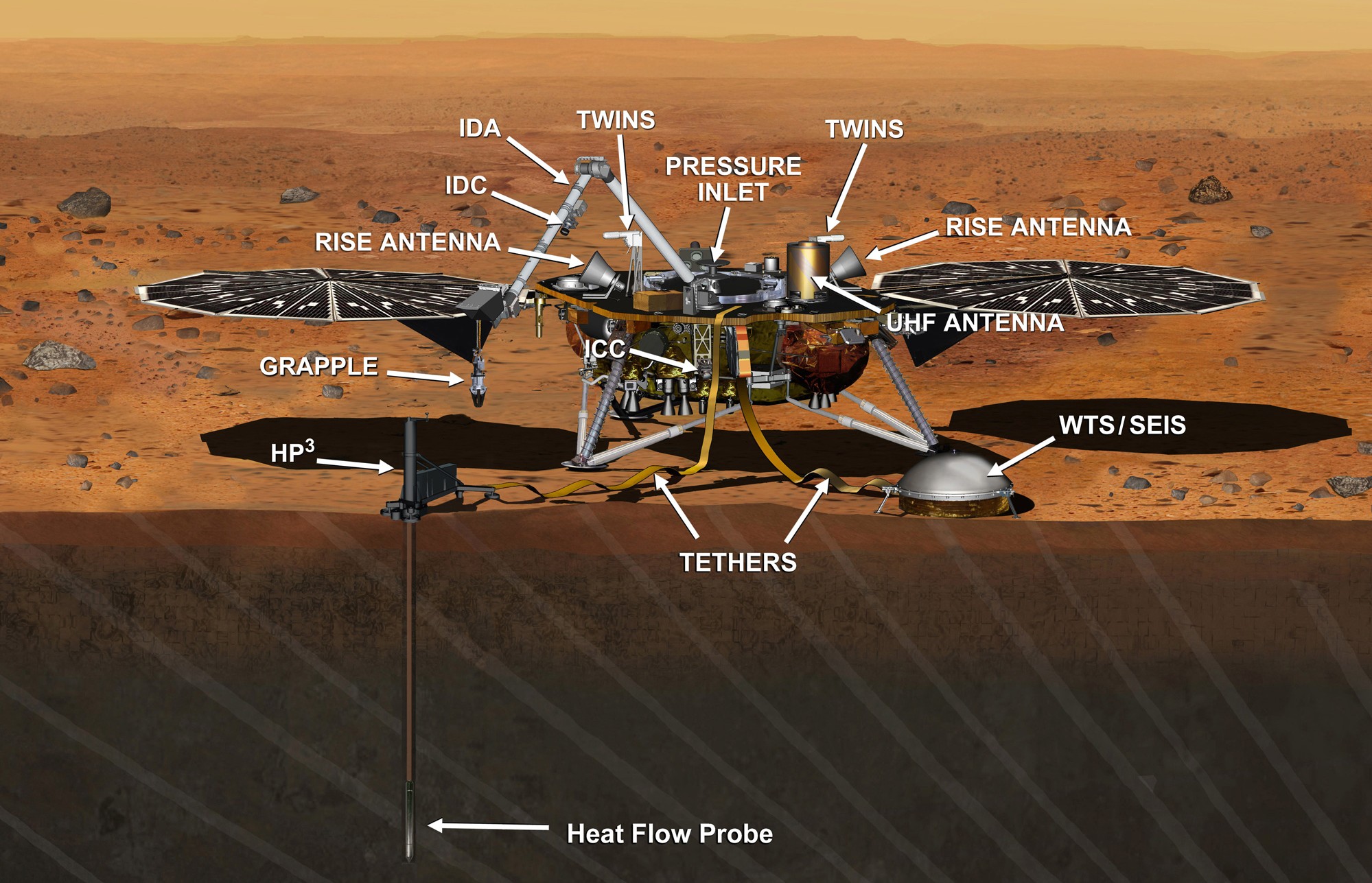
 Scientists have been staring at the surface of Mars for decades through high-powered telescopes. Only recently, and with the help of robotic missions, has anyone been able to look deeper. And with the success of the Spirit, Opportunity and Curiosity rovers, NASA is preparing to go deeper. The space agency just got official approval to begin construction of the InSight lander, which will be launched in spring 2016. While there, it’s going to explore the subsurface of Mars to see what’s down there.
Officially, the lander is known as the Interior Exploration Using Seismic Investigations, Geodesy and Heat Transport, and back in May, NASA passed the crucial mission final design review. The next step is to line up manufacturers and equipment partners to build the probe and get it to Mars on time. As with many deep space launches, the timing is incredibly important – if not launched at the right point in Earth’s orbit, the trip to Mars would be far too long.
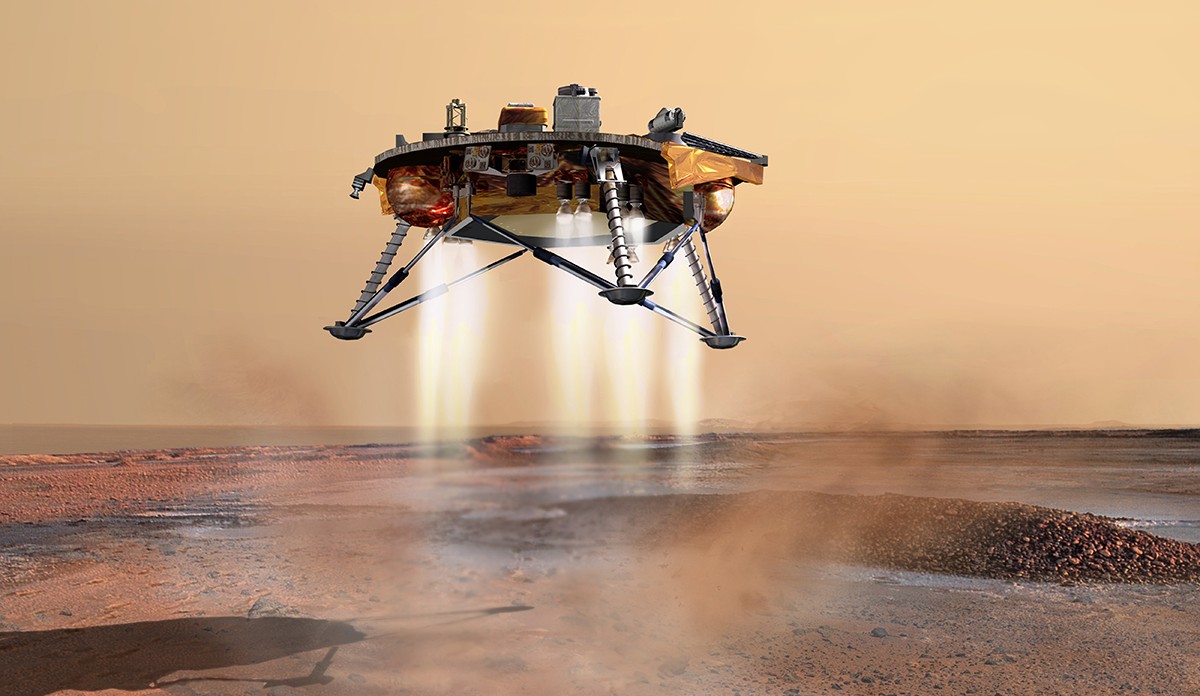 Unlike the Curiosity rover, which landed on the Red Planet by way of a fascinating rocket-powered sky crane, the InSight will be a stationary probe more akin to the Phoenix lander. That probe was deployed to search the surface for signs of microbial life on Mars by collecting and analyzing soil samples. InSight, however, will not rely on a tiny shovel like Phoenix (pictured above) – it will have a fully articulating robotic arm equipped with burrowing instruments.
Also unlike its rover predecessors, once InSight sets down near the Martian equator, it will stay there for its entire two year mission – and possibly longer if it can hack it. That’s a much longer official mission duration than the Phoenix lander was designed for, meaning it’s going to need to endure some harsh conditions. This, in conjunction with InSight’s solar power system, made the equatorial region a preferable landing zone.
 For the sake of its mission, the InSight lander will use a sensitive subsurface instrument called the Seismic Experiment for Interior Structure (SEIS). This device will track ground motion transmitted through the interior of the planet caused by so-called “marsquakes” and distant meteor impacts. A separate heat flow analysis package will measure the heat radiating from the planet’s interior. From all of this, scientists hope to be able to shed some light on Mars early history and formation.
For instance, Earth’s larger size has kept its core hot and spinning for billions of years, which provides us with a protective magnetic field. By contrast, Mars cooled very quickly, so NASA scientists believe more data on the formation and early life of rocky planets will be preserved. The lander will also connect to NASA’s Deep Space Network antennas on Earth to precisely track the position of Mars over time. A slight wobbling could indicate the red planet still has a small molten core.
If all goes to plan, InSight should arrive on Mars just six months after its launch in Spring 2016. Hopefully it will not only teach us about Mars’ past, but our own as well.
 After the daring new type of landing that was performed with the Curiosity rover, NASA went back to the drawing table to come up with something even better. Their solution: the “Low-Density Supersonic Decelerator”, a saucer-shaped vehicle consisting of an inflating buffer that goes around the ship’s heat shield. It is hopes that this will help future spacecrafts to put on the brakes as they enter Mar’s atmosphere so they can make a soft, controlled landing.
Back in January and again in April, NASA’s Jet Propulsion Laboratory tested the LDSD using a rocket sled. Earlier this month, the next phase was to take place, in the form of a high-altitude balloon that would take it to an altitude of over 36,600 meters (120,000 feet). Once there, the device was to be dropped from the balloon sideways until it reached a velocity of four times the speed of sound. Then the LDSD would inflate, and the teams on the ground would asses how it behaved.
 Unfortunately, the test did not take place, as NASA lost its reserved time at the range in Hawaii where it was slated to go down. As Mark Adler, the Low Density Supersonic Decelerator (LDSD) project manager, explained:
There were six total opportunities to test the vehicle, and the delay of all six opportunities was caused by weather. We needed the mid-level winds between 15,000 and 60,000 feet [4,500 meters to 18,230 meters] to take the balloon away from the island. While there were a few days that were very close, none of the days had the proper wind conditions.
In short, bad weather foiled any potential opportunity to conduct the test before their time ran out. And while officials don’t know when they will get another chance to book time at the U.S. Navy’s Pacific Missile Range in Kauai, Hawaii, they’re hoping to start the testing near the end of June. NASA emphasized that the bad weather was quite unexpected, as the team had spent two years looking at wind conditions worldwide and determined Kauai was the best spot for testing their concept over the ocean.
If the technology works, NASA says it will be useful for landing heavier spacecraft on the Red Planet. This is one of the challenges the agency must surmount if it launches human missions to the planet, which would require more equipment and living supplies than any of the rover or lander missions mounted so far. And if everything checks out, the testing goes as scheduled and the funding is available, NASA plans to use an LDSD on a spacecraft as early as 2018.
And in the meantime, check out this concept video of the LDSD, courtesy of NASA’s Jet Propulsion Laboratory:
Sources: universetoday.com, (2), extremetech.com


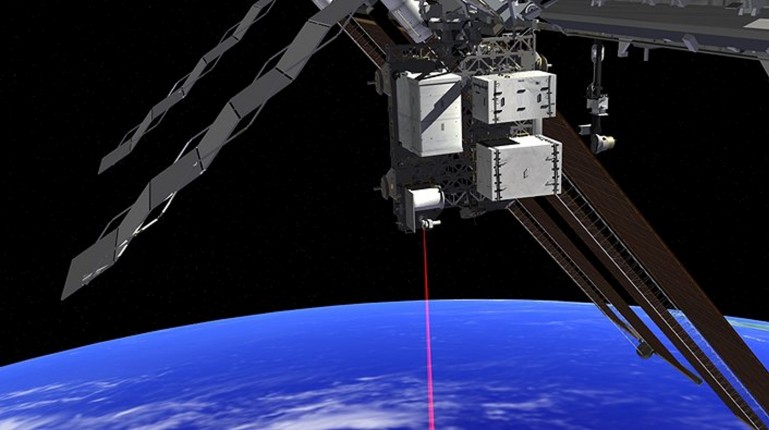
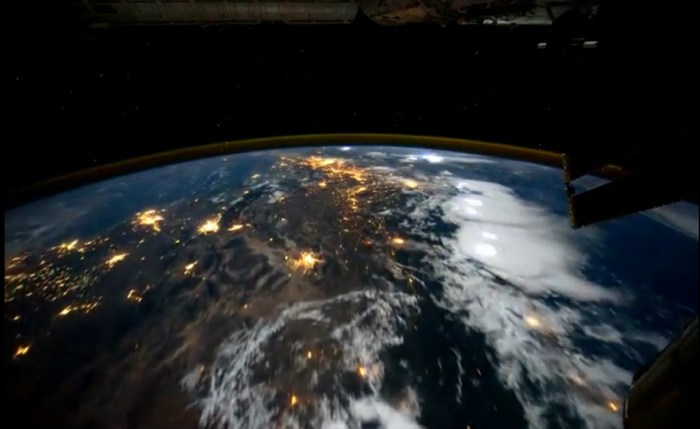 The OPALS system sought out and locked onto a laser beacon from the Optical Communications Telescope Laboratory ground station at the Table Mountain Observatory in Wrightwood, California. It then transmitted its own 2.5-watt, 1,550-nanometer laser and modulated it to send the video at a peak rate of 50 megabits per second. According to NASA, OPALS transmitted the video in 3.5 seconds instead of the 10 minutes that conventional radio would have required.


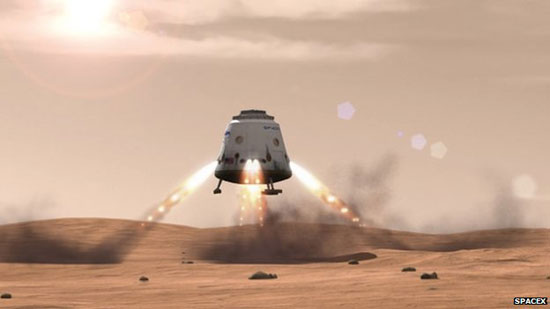 Other notable features include the propellent, which is a pair of non-cryogenic liquids – monomethyl hydrazine for the fuel and nitrogen tetroxide for the oxidizer. These are hypergolic, meaning that they ignite on contact with one another, which helps the SuperDraco to restart multiple times. It’s also built to be deep throttled, and can go from ignition to full throttle in 100 ms. But what really sets the SuperDraco apart is that is has 200 times the power of the Draco engine, which works out to 7,440 kg (16,400 lbs) of thrust.
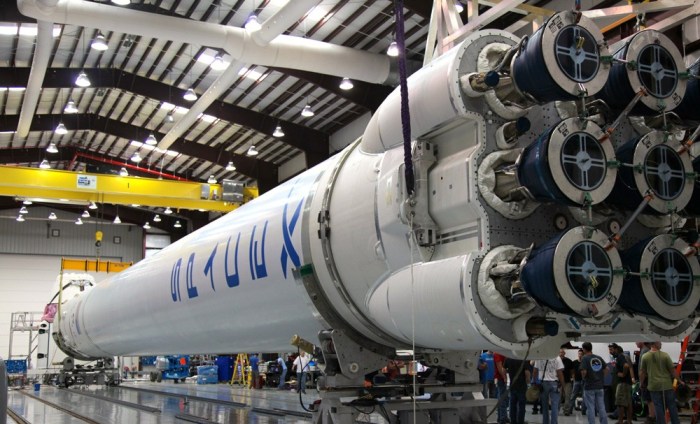 Eight engines firing for five seconds are enough to carry the capsule safely away from the booster with 120,000 lb of axial thrust. In addition, the eight engines also provide a high degree of redundancy should one or more engines fail. But what’s really ambitious about the SuperDraco is that, like the Falcon 9 booster, the Dragon is designed to ultimately return to its spaceport under its own power and land with the precision of a helicopter, and it’s the power and control of the SuperDraco that makes this possible.
 But equally impressive was the unveiling of the Dragon V2 manned space capsule, which took place at a brief media event at SpaceX’s Hawthorne, California headquarters at the end of May. This larger, more powerful version of the reusable Dragon capsule will one day carry astronauts to the International Space Station (ISS) and return to Earth to land under its own power. This latest development brings the company one step closer towards its ultimate goal of a fully reusable manned capsule capable of making a powered landing.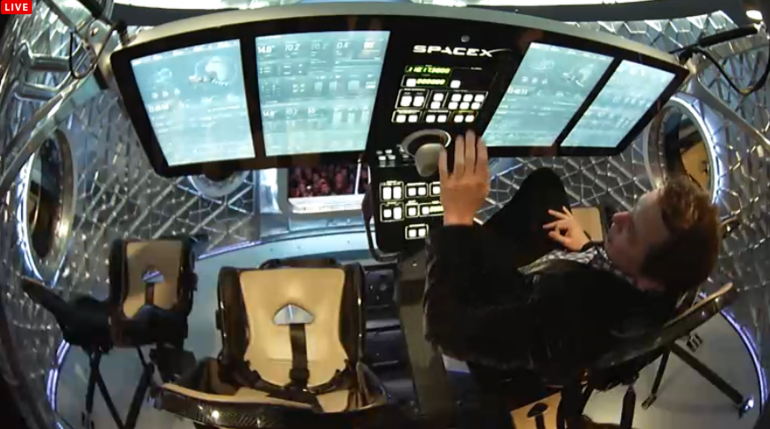



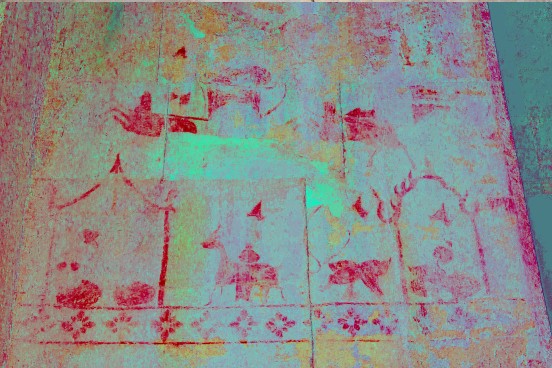
 And though researchers can’t be sure exactly when the paintings were created, Tan speculates that the most elaborate artworks may have been commissioned by Cambodia’s King Ang Chan, who made an effort to restore the temple during his reign between 1528 and 1566. During this time, unfinished carvings were completed and Angkor Wat began its transformation into a Buddhist pilgrimage site, which are confirmed by some of the newly revealed paintings that show Buddhist iconography.


![Space_race1[2]](https://storiesbywilliams.com/wp-content/uploads/2014/05/space_race12.jpg)

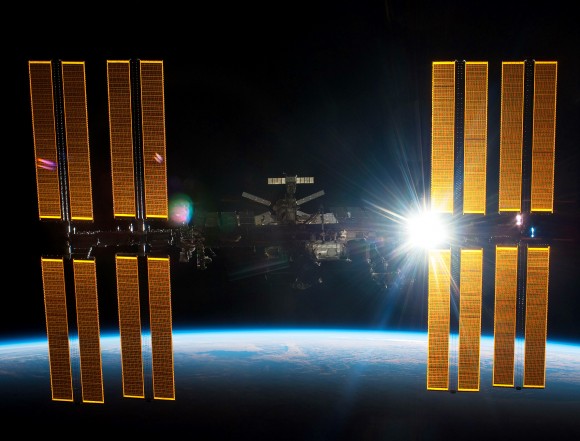
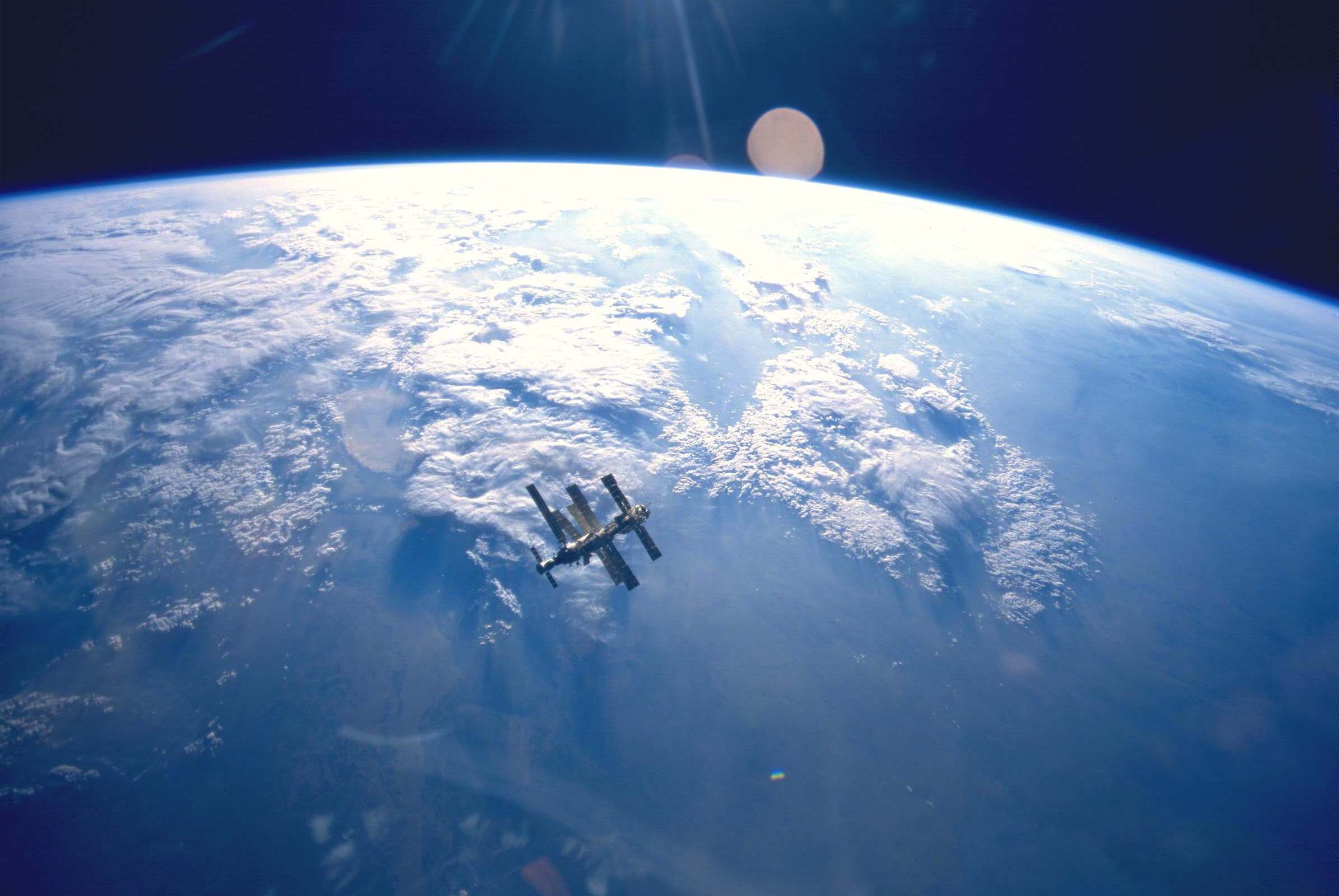
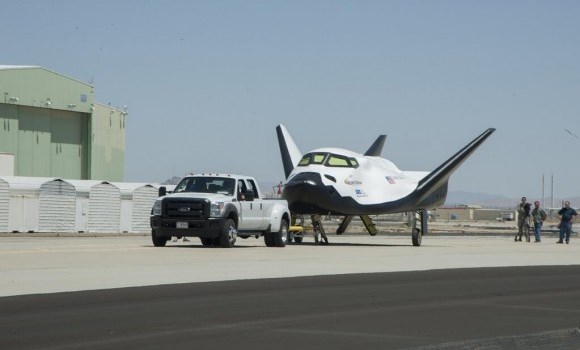 Standing on the sidelines are individuals and private companies like Elon Musk and SpaceX, the Texas company that already builds its own low-cost rockets, along with space capsules that have been delivering supplies to the Space Station. In addition, Sierra Nevada, a private aerospace contractor, is working with NASA to produce the Dream Chaser as part of the agency’s reusable vertical-takeoff, horizontal-landing (VTHL) program.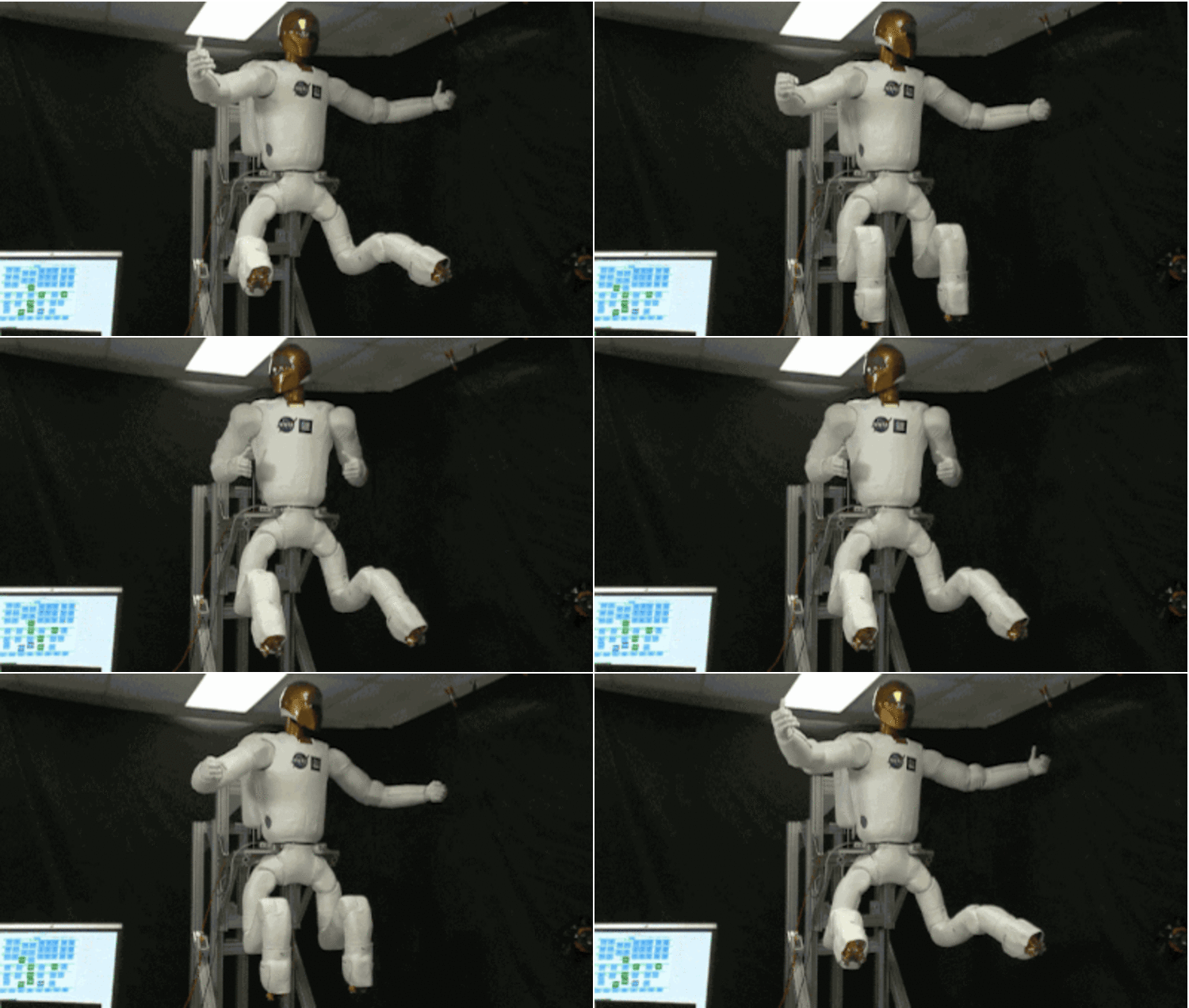
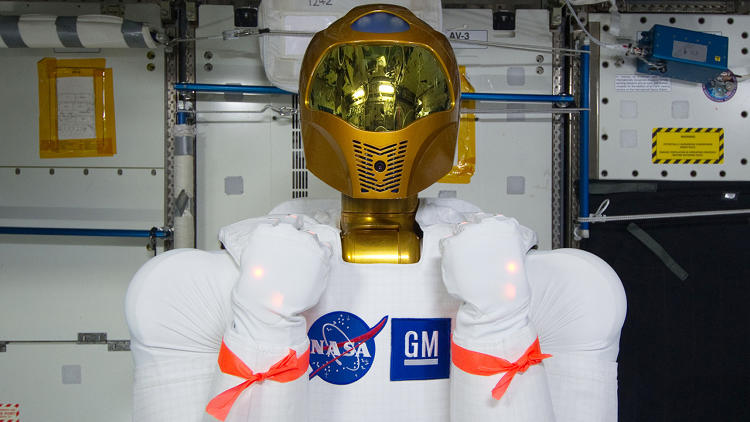
 Robonaut was developed by NASA’s Johnson Space Center in collaboration with General Motors and off-shore oil field robotics firm Oceaneering. All that corporate involvement isn’t accidental; Robonaut isn’t designed to simply do chores around the space station. NASA is also using R2 to showcase a range of patented technologies that private companies can license from Johnson Space Center.
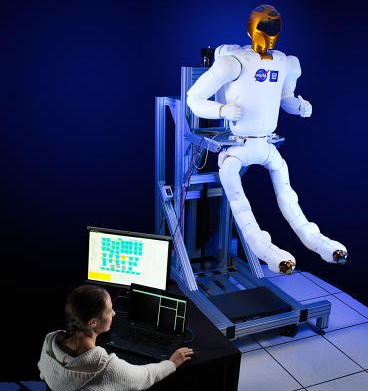 In addition to these legs, this latest supply drop – performed by a SpaceX Dragon capsule – included a laser communication system for astronauts and an outer space farming system designed to grow lettuce and other salad crops in orbit. We can expect that the Robotnaut 2 will be assisting in their use and upkeep in the coming months and years. So expect to hear more about this automated astronaut in the near future!


 Stories by Williams