
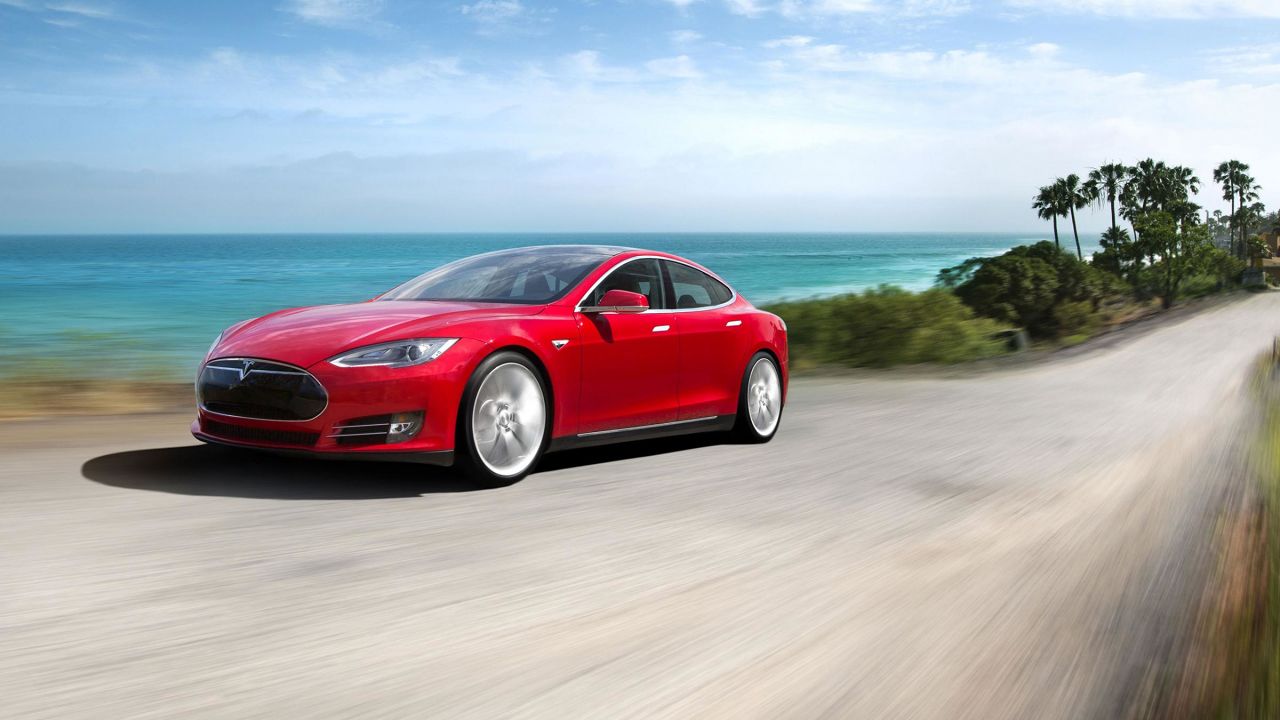
 It’s official: all of Tesla’s electric car technology is now available for anyone to use. Yes, after hinting that he might be willing to do so last weekend, Musk announced this week that his companies patents are now open source. In a blog post on the Tesla website, Musk explained his reasoning. Initially, Musk wrote, Tesla created patents because of a concern that large car companies would copy the company’s electric vehicle technology and squash the smaller start-up.
This was certainly reasonable, as auto giants like General Motors, Toyota, and Volkswagon have far more capital and a much larger share of the market than his start-up did. But in time, Musk demonstrated that there was a viable market for affortable, clean-running vehicles. This arsenal of patents appeared to many to be the only barrier between the larger companies crushing his start-up before it became a viable competitor.
 But that turned out to be an unnecessary worry, as carmakers have by and large decided to downplay the viability and relevance of EV technology while continuing to focus on gasoline-powered vehicles. At this point, he thinks that opening things up to other developers will speed up electric car development. And after all, there’s something to be said about competition driving innovation.
As Musk stated on his blog:
Given that annual new vehicle production is approaching 100 million per year and the global fleet is approximately 2 billion cars, it is impossible for Tesla to build electric cars fast enough to address the carbon crisis. By the same token, it means the market is enormous. Our true competition is not the small trickle of non-Tesla electric cars being produced, but rather the enormous flood of gasoline cars pouring out of the world’s factories every day…
We believe that Tesla, other companies making electric cars, and the world would all benefit from a common, rapidly-evolving technology platform.
 And the move should come as no surprise. As the Hyperloop demonstrated, Musk is not above making grandiose gestures and allowing others to run with ideas he knows will be profitable. And as Musk himself pointed in a webcast made after the announcement, his sister-company SpaceX – which deals with the development of reusable space transports – has virtually no patents.
In addition, Musk stated that he thinks patents are a “weak thing” for companies. He also suggested that opening up patents for Tesla’s supercharging technology (which essentially allows for super-fast EV charging) could help create a common industry platform. But regardless of Musk’s own take on things, one thing remains clear: Tesla Motors needs competitors, and it needs them now.
 As it stands, auto emissions account for a large and growing share of greenhouse gas emissions. For decades now, the technology has been in development and the principles have all been known. However, whether it has been due to denial, intransigence, complacency, or all of the above, no major moves have been made to effect a transition in the auto industry towards non-fossil fuel-using cars.
Many would cite the lack of infrastructure that is in place to support the wide scale use of electronic cars. But major cities and even entire nations are making changes in that direction with the adoption of electric vehicle networks. These include regular stations along the Trans Canada Highway, the Chargepoint grid in Melbourne to Brisbane, Germany’s many major city networks, and the US’s city and statewide EV charging stations.
Also, as the technology is adopted and developed further, the incentive to expand electric vehicle networks farther will be a no brainer. And given the fact that we no longer live in a peak oil economy, any moves towards fossil fuel-free transportation should be seen as an absolutely necessary one.
Sourees: fastcoexist.com, fool.com
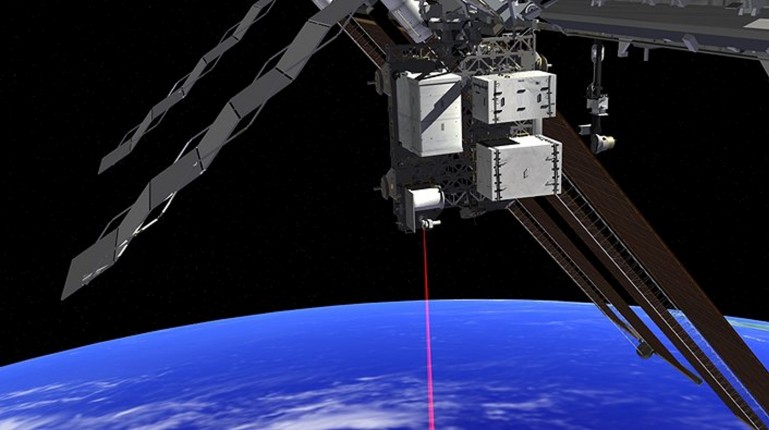
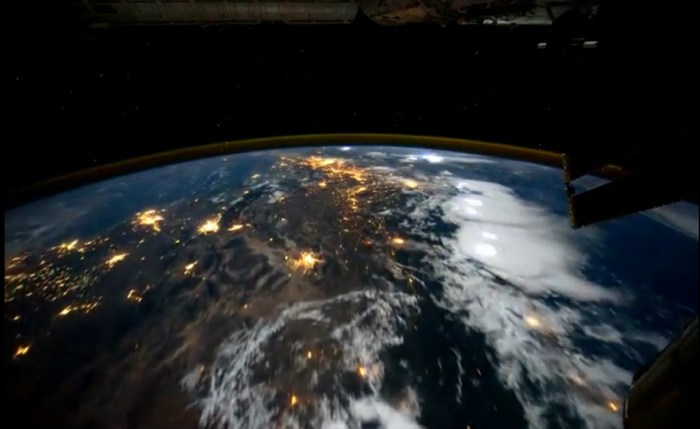 The OPALS system sought out and locked onto a laser beacon from the Optical Communications Telescope Laboratory ground station at the Table Mountain Observatory in Wrightwood, California. It then transmitted its own 2.5-watt, 1,550-nanometer laser and modulated it to send the video at a peak rate of 50 megabits per second. According to NASA, OPALS transmitted the video in 3.5 seconds instead of the 10 minutes that conventional radio would have required.


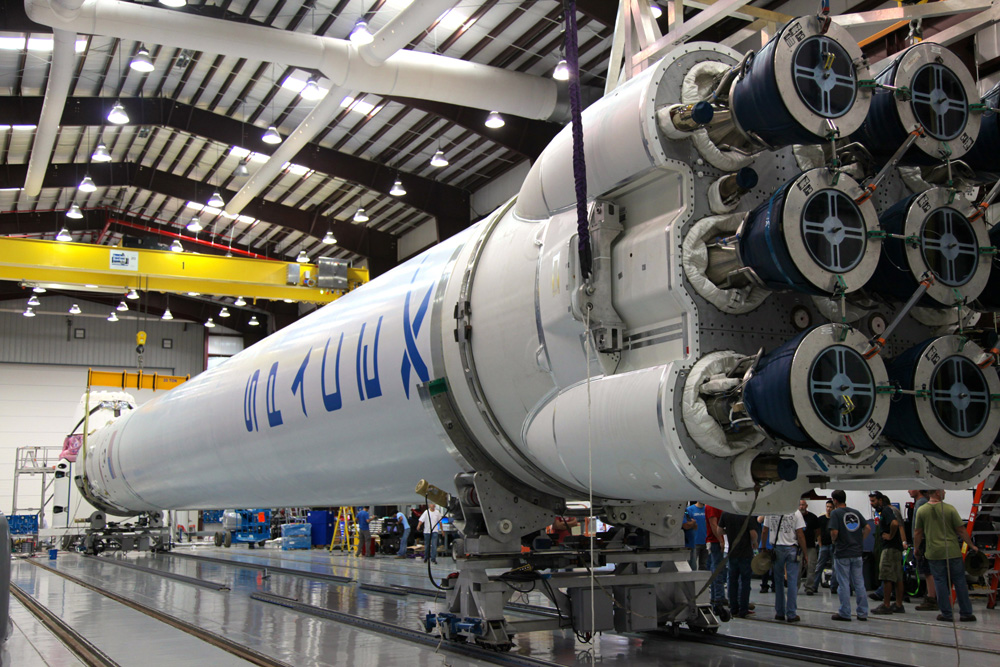
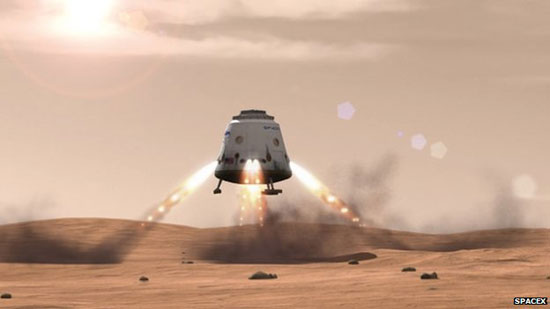 Other notable features include the propellent, which is a pair of non-cryogenic liquids – monomethyl hydrazine for the fuel and nitrogen tetroxide for the oxidizer. These are hypergolic, meaning that they ignite on contact with one another, which helps the SuperDraco to restart multiple times. It’s also built to be deep throttled, and can go from ignition to full throttle in 100 ms. But what really sets the SuperDraco apart is that is has 200 times the power of the Draco engine, which works out to 7,440 kg (16,400 lbs) of thrust.
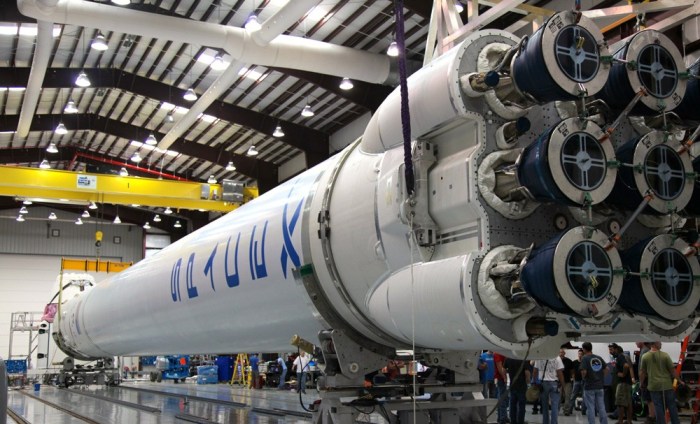 Eight engines firing for five seconds are enough to carry the capsule safely away from the booster with 120,000 lb of axial thrust. In addition, the eight engines also provide a high degree of redundancy should one or more engines fail. But what’s really ambitious about the SuperDraco is that, like the Falcon 9 booster, the Dragon is designed to ultimately return to its spaceport under its own power and land with the precision of a helicopter, and it’s the power and control of the SuperDraco that makes this possible.
 But equally impressive was the unveiling of the Dragon V2 manned space capsule, which took place at a brief media event at SpaceX’s Hawthorne, California headquarters at the end of May. This larger, more powerful version of the reusable Dragon capsule will one day carry astronauts to the International Space Station (ISS) and return to Earth to land under its own power. This latest development brings the company one step closer towards its ultimate goal of a fully reusable manned capsule capable of making a powered landing.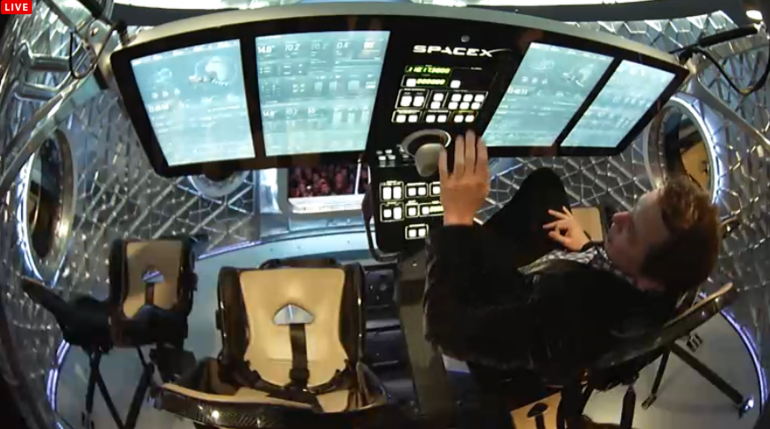
![Space_race1[2]](https://storiesbywilliams.com/wp-content/uploads/2014/05/space_race12.jpg)

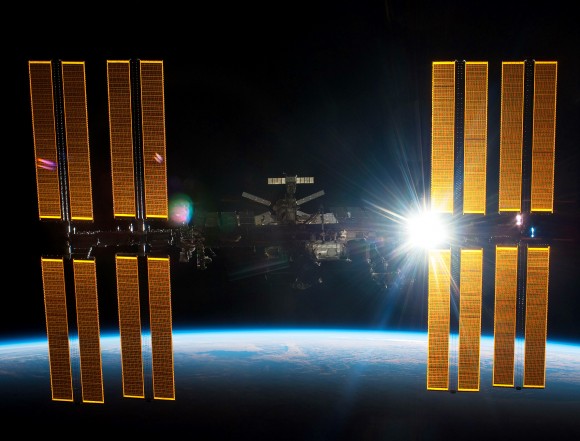
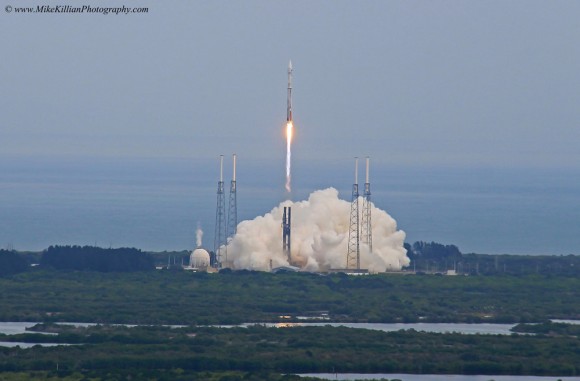
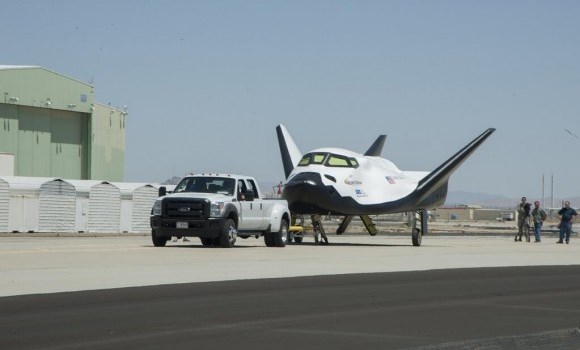 Standing on the sidelines are individuals and private companies like Elon Musk and SpaceX, the Texas company that already builds its own low-cost rockets, along with space capsules that have been delivering supplies to the Space Station. In addition, Sierra Nevada, a private aerospace contractor, is working with NASA to produce the Dream Chaser as part of the agency’s reusable vertical-takeoff, horizontal-landing (VTHL) program.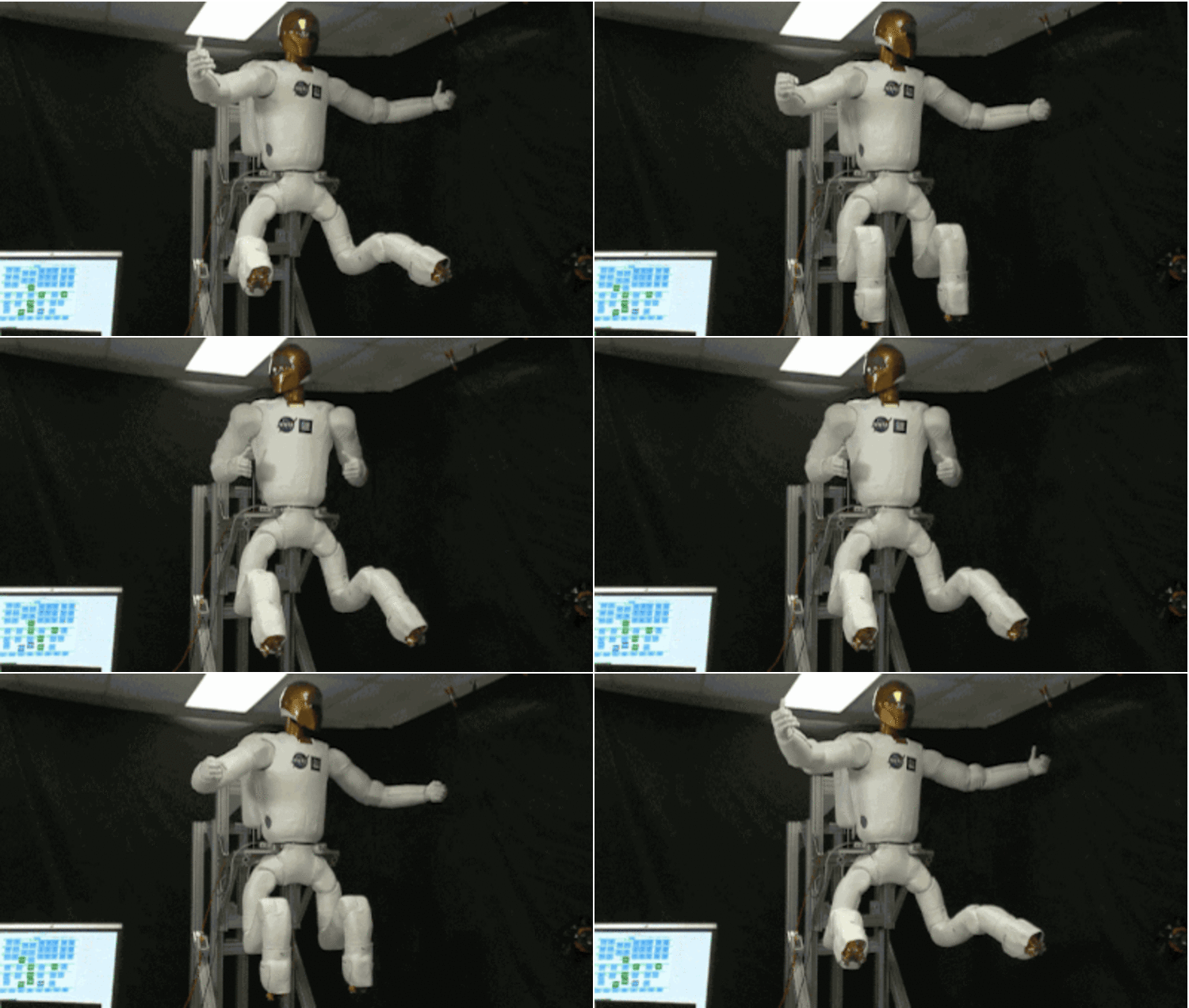
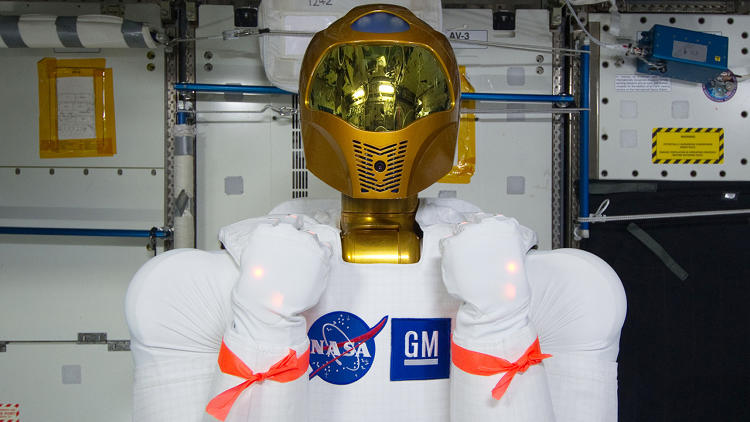
 Robonaut was developed by NASA’s Johnson Space Center in collaboration with General Motors and off-shore oil field robotics firm Oceaneering. All that corporate involvement isn’t accidental; Robonaut isn’t designed to simply do chores around the space station. NASA is also using R2 to showcase a range of patented technologies that private companies can license from Johnson Space Center.
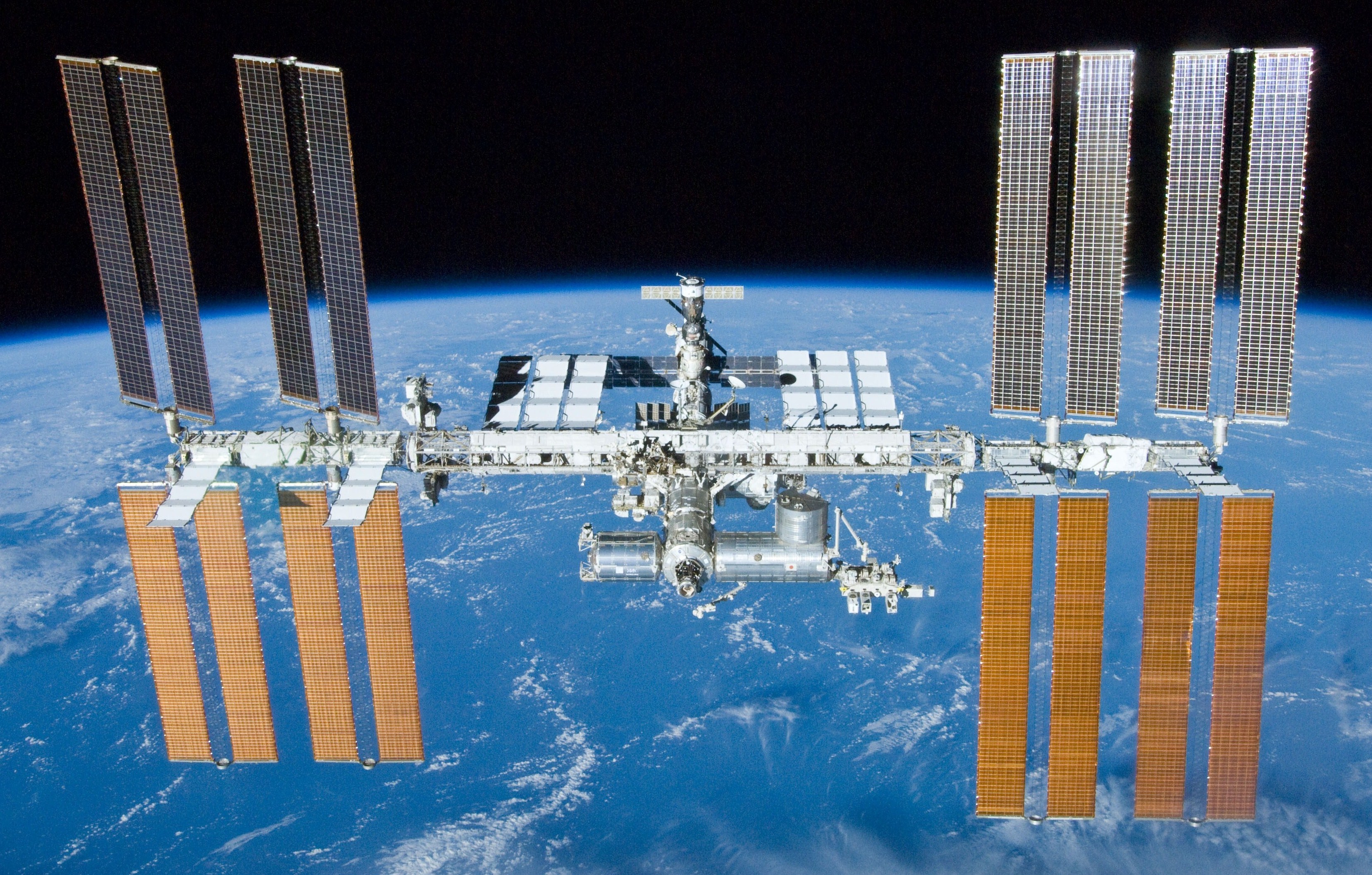
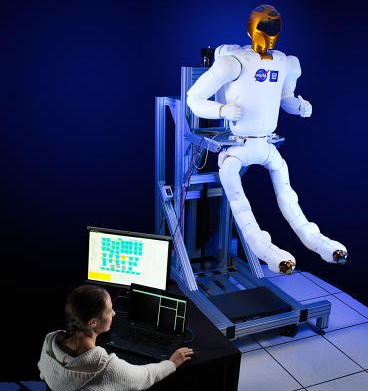 In addition to these legs, this latest supply drop – performed by a SpaceX Dragon capsule – included a laser communication system for astronauts and an outer space farming system designed to grow lettuce and other salad crops in orbit. We can expect that the Robotnaut 2 will be assisting in their use and upkeep in the coming months and years. So expect to hear more about this automated astronaut in the near future!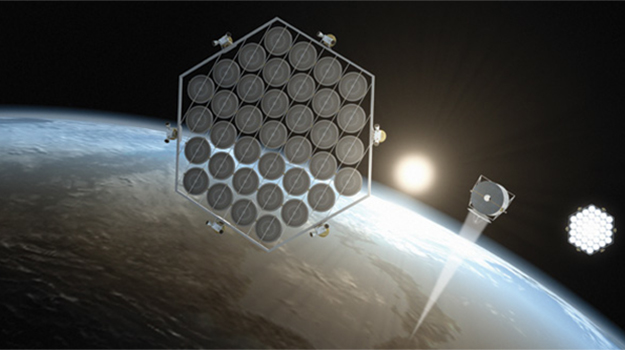
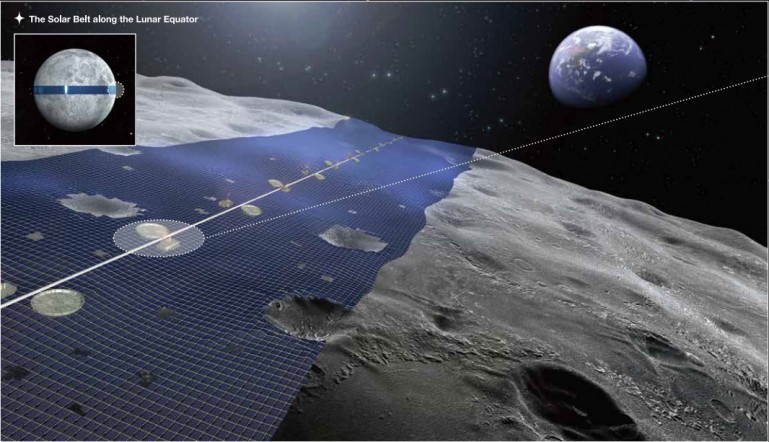
 Beyond Japan, solar power is considered the of front runner of alternative energy, at least until s fusion power comes of age. But Until such time as a fusion reaction can be triggered that produces substantially more energy than is required to initiate it, solar will remain the only
  Luckily, putting arrays into orbit solves both of these issues. Above the

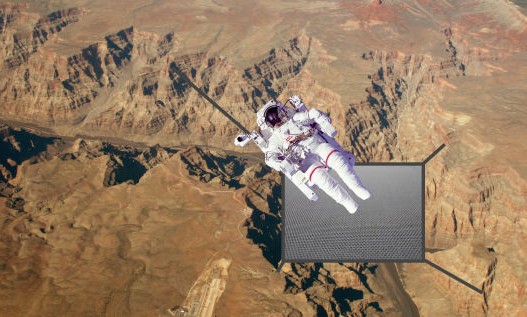 After initially joking that American astronauts would be left stranded on the ISS, he also recommended that NASA try using a trampoline to reach orbit. The joke was naturally irrelevant, since day-to-day operations involving the ISS are not going to be affected by these sanctions. Still, the inability to rely on Russian Soyuz’s in the near future will mean that US satellites – which are used for everything from GPS to spying – will be undeployable for the time being.
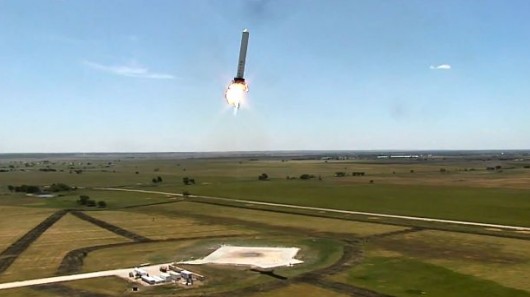
 Presumably SpaceX will provide another update in due course. In the meantime, they took the opportunity to release a rather awesome video of
 As Musk himself explained in a series of public statements and interviews after the launch: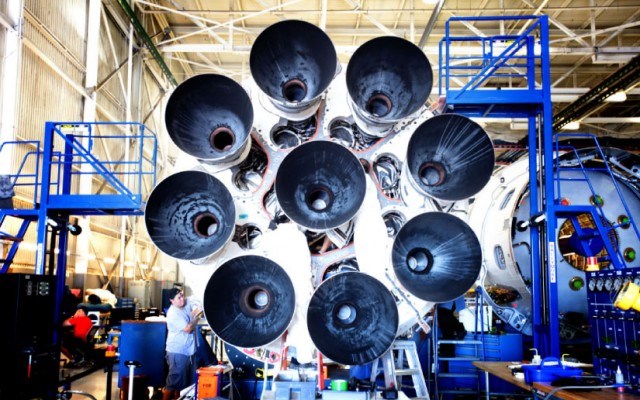




 Stories by Williams