By 2014: According to Asimov and Clarke

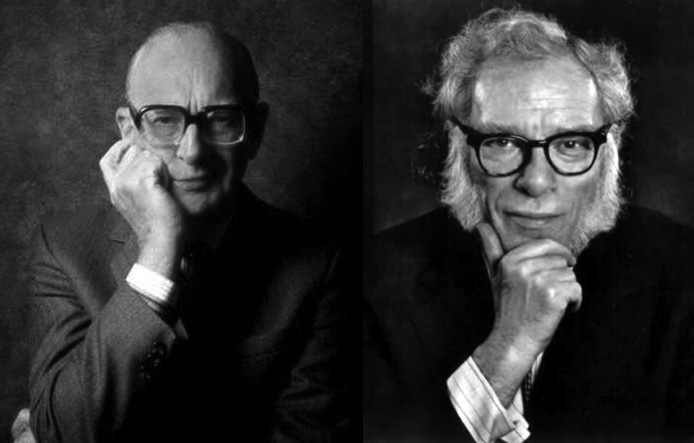
asimov_clarkeAmongst the sci-fi greats of old, there were few authors, scientists and futurists more influential than Isaac Asimov and Arthur C. Clarke. And as individuals who constantly had one eye to the world of their day, and one eye to the future, they had plenty to say about what the world would look like by the 21st century. And interestingly enough, 2014 just happens to be the year where much of what they predicted was meant to come true.

For example, 50 years ago, Asimov wrote an article for the New York Times that listed his predictions for what the world would be like in 2014. The article was titled “Visit to the World’s Fair of 2014”, and contained many accurate, and some not-so-accurate, guesses as to how people would be living today and what kinds of technology would be available to us.

Here are some of the accurate predictions:

1. “By 2014, electroluminescent panels will be in common use.”
In short, electroluminescent displays are thin, bright panels that are used in retail displays, signs, lighting and flat panel TVs. What’s more, personal devices are incorporating this technology, in the form of OLED and AMOLED displays, which are both paper-thin and flexible, giving rise to handheld devices you can bend and flex without fear of damaging them.

touch-taiwan_amoled2. “Gadgetry will continue to relieve mankind of tedious jobs.”
Oh yes indeed! In the last thirty years, we’ve seen voicemail replace personal assistants, secretaries and message boards. We’ve seen fax machines replace couriers. We’ve seen personal devices and PDAs that are able to handle more and more in the way of tasks, making it unnecessary for people to consult a written sources of perform their own shorthand calculations. It’s a hallmark of our age that personal technology is doing more and more of the legwork, supposedly freeing us to do more with our time.

3. “Communications will become sight-sound and you will see as well as hear the person you telephone.”
This was a popular prediction in Asimov’s time, usually taking the form of a videophone or conversations that happened through display panels. And the rise of the social media and telepresence has certainly delivered on that. Services like Skype, Google Hangout, FaceTime and more have made video chatting very common, and a viable alternative to a phone line you need to pay for.

skypeskype4. “The screen can be used not only to see the people you call but also for studying documents and photographs and reading passages from books.”
Multitasking is one of the hallmarks of modern computers, handheld devices, and tablets, and has been the norm for operating systems for some time. By simply calling up new windows, new tabs, or opening up multiple apps simultaneously and simply switching between them, users are able to start multiple projects, or conduct work and view video, take pictures, play games, and generally behave like a kid with ADHD on crack if they so choose.

5. “Robots will neither be common nor very good in 2014, but they will be in existence.”
If you define “robot” as a computer that looks and acts like a human, then this guess is definitely true. While we do not have robot servants or robot friends per se, we do have Roomba’s, robots capable of performing menial tasks, and even ones capable of imitating animal and even human movements and participating in hazardous duty exercises (Google the DARPA Robot Challenge to see what I mean).

Valkyrie_robotAlas, he was off on several other fronts. For example, kitchens do not yet prepare “automeals” – meaning they prepare entire meals for us at the click of a button. What’s more, the vast majority of our education systems is not geared towards the creation and maintenance of robotics. All surfaces have not yet been converted into display screens, though we could if we wanted to. And the world population is actually higher than he predicted (6,500,000,000 was his estimate).

As for what he got wrong, well… our appliances are not powered by radioactive isotopes, and thereby able to be entirely wireless (though wireless recharging is becoming a reality). Only a fraction of students are currently proficient in computer language, contrary to his expectation that all would be. And last, society is not a place of “enforced leisure”, where work is considered a privilege and not a burden. Too bad too!
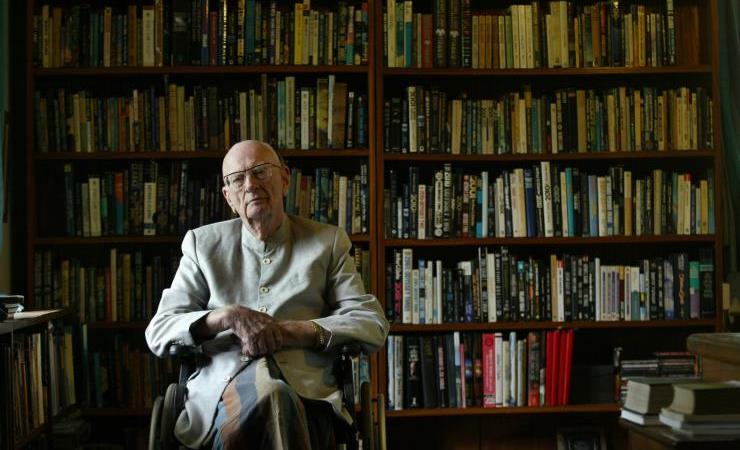
Arthur-C-ClarkeAnd when it comes to the future, there are few authors whose predictions are more trusted than Arthur C. Clarke. In addition to being a prolific science fiction writer, he wrote nearly three dozen nonfiction books and countless articles about the future of space travel, undersea exploration and daily life in the 21st century.

And in a recently released clip from a 1974 ABC News program filmed in Australia, Clarke is shown talking to a reporter next to a massive bank of computers. With his son in tow, the reporter asks Clarke to talk about what computers will be like when his son is an adult. In response, Clarke offers some eerily prophetic, if not quite spot-on, predictions:

The big difference when he grows up, in fact it won’t even wait until the year 2001, is that he will have, in his own house, not a computer as big as this, but at least a console through which he can talk to his friendly local computer and get all the information he needs for his everyday life, like his bank statements, his theater reservations, all the information you need in the course of living in a complex modern society. This will be in a compact form in his own house.

internetIn short, Clarke predicted not only the rise of the personal computer, but also online banking, shopping and a slew of internet services. Clarke was then asked about the possible danger of becoming a “computer-dependent” society, and while he acknowledged that in the future humanity would rely on computers “in some ways,” computers would also open up the world:

It’ll make it possible for us to live really anywhere we like. Any businessman, any executive, could live almost anywhere on Earth and still do his business through his device like this. And this is a wonderful thing.

Clarke certainly had a point about computers giving us the ability to communicate from almost anywhere on the globe, also known as telecommunication, telecommuting and telepresence. But as to whether or not our dependence on this level of technology is a good or bad thing, the jury is still out on that one. The point is, his predictions proved to be highly accurate, forty years in advance.
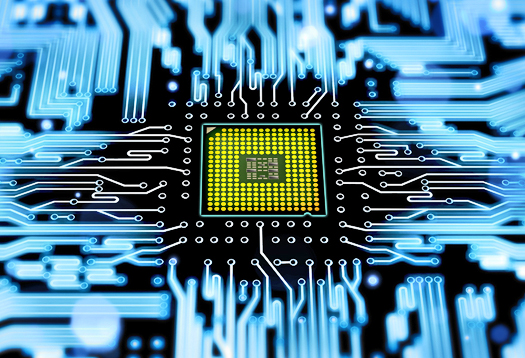
computer_chip1Granted, Clarke’s predictions were not summoned out of thin air. Ever since their use in World War II as a means of cracking Germany’s cyphers, miniaturization has been the trend in computing. By the 1970’s, they were still immense and clunky, but punch cards and vacuum tubes had already given way to transistors, ones which were getting smaller all the time.

And in 1969, the first operational packet network to implement a Transmission Control Protocol and Internet Protocol (TCP/IP) was established. Known as a Advanced Research Projects Agency Network (or ARPANET), this U.S. Department of Defense network was set up to connect the DOD’s various research projects at universities and laboratories all across the US, and was the precursor to the modern internet.

In being a man who was so on top of things technologically, Clarke accurately predicted that these two trends would continue into the foreseeable future, giving rise to computers small enough to fit on our desks (rather than taking up an entire room) and networked with other computers all around the world via a TCP/IP network that enabled real-time data sharing and communications.

And in the meantime, be sure to check out the Clarke interview below:


Sources:
huffingtonpost.com, blastr.com
Year-End Tech News: Stanene and Nanoparticle Ink

3d.printingThe year of 2013 was also a boon for the high-tech industry, especially where electronics and additive manufacturing were concerned. In fact, several key developments took place last year that may help scientists and researchers to move beyond Moore’s Law, as well as ring in a new era of manufacturing and production.

In terms of computing, developers have long feared that Moore’s Law – which states that the number of transistors on integrated circuits doubles approximately every two years – could be reaching a bottleneck. While the law (really it’s more of an observation) has certainly held true for the past forty years, it has been understood for some time that the use of silicon and copper wiring would eventually impose limits.

copper_in_chips__620x350Basically, one can only miniaturize circuits made from these materials so much before resistance occurs and they are too fragile to be effective. Because of this, researchers have been looking for replacement materials to substitute the silicon that makes up the 1 billion transistors, and the one hundred or so kilometers of copper wire, that currently make up an integrated circuit.

Various materials have been proposed, such as graphene, carbyne, and even carbon nanotubes. But now, a group of researchers from Stanford University and the SLAC National Accelerator Laboratory in California are proposing another material. It’s known as Stanene, a theorized material fabricated from a single layer of tin atoms that is theoretically extremely efficient, even at high temperatures.

computer_chip5Compared to graphene, which is stupendously conductive, the researchers at Stanford and the SLAC claim that stanene should be a topological insulator. Topological insulators, due to their arrangement of electrons/nuclei, are insulators on their interior, but conductive along their edge and/or surface. Being only a single atom in thickness along its edges, this topological insulator can conduct electricity with 100% efficiency.

The Stanford and SLAC researchers also say that stanene would not only have 100%-efficiency edges at room temperature, but with a bit of fluorine, would also have 100% efficiency at temperatures of up to 100 degrees Celsius (212 Fahrenheit). This is very important if stanene is ever to be used in computer chips, which have operational temps of between 40 and 90 C (104 and 194 F).

Though the claim of perfect efficiency seems outlandish to some, others admit that near-perfect efficiency is possible. And while no stanene has been fabricated yet, it is unlikely that it would be hard to fashion some on a small scale, as the technology currently exists. However, it will likely be a very, very long time until stanene is used in the production of computer chips.

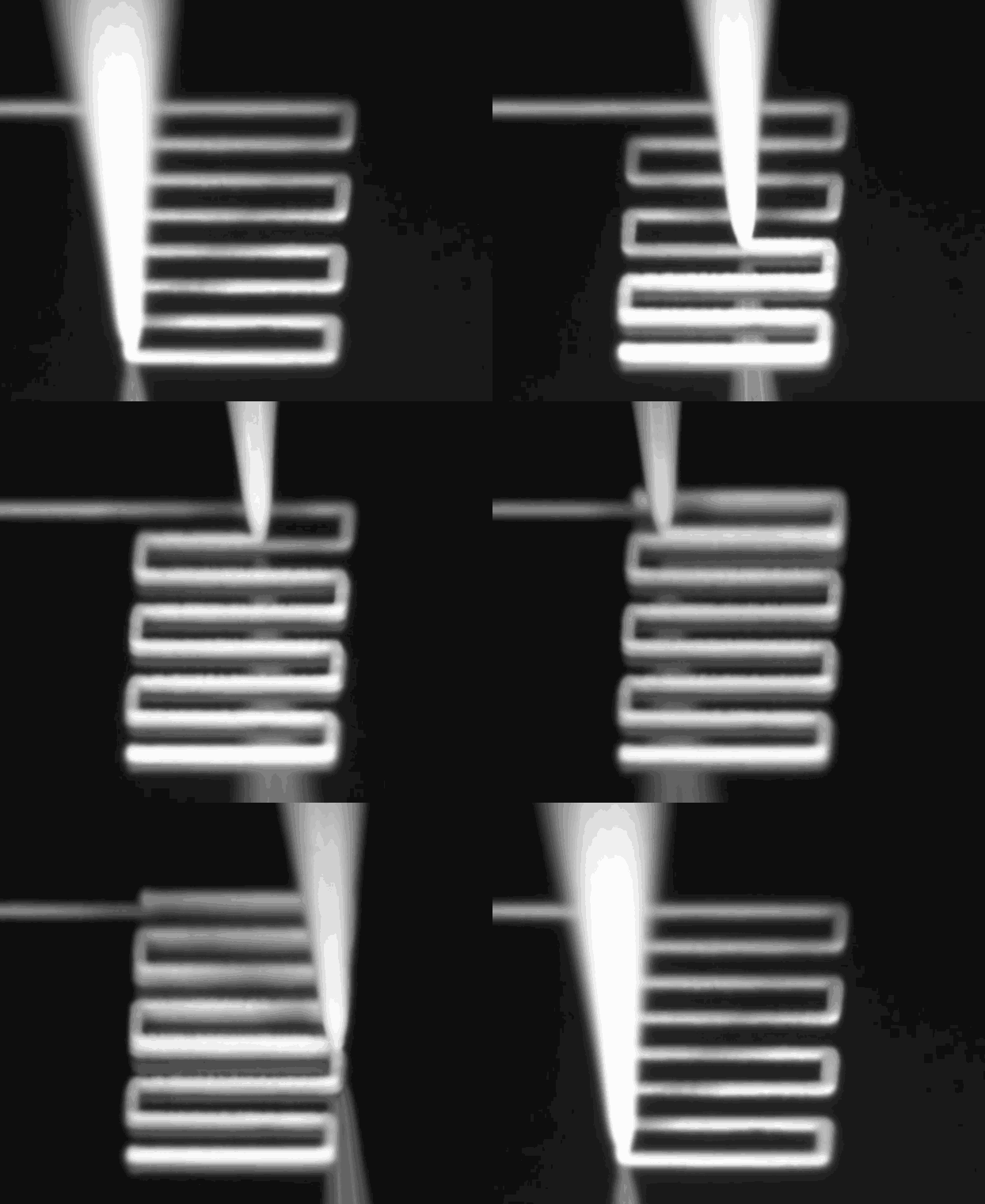
Battery-Printer-640x353In the realm of additive manufacturing (aka. 3-D printing) several major developments were made during the year 0f 2013. This one came from Harvard University, where a materials scientist named Jennifer Lewis Lewis – using currently technology – has developed new “inks” that can be used to print batteries and other electronic components.

3-D printing is already at work in the field of consumer electronics with casings and some smaller components being made on industrial 3D printers. However, the need for traditionally produced circuit boards and batteries limits the usefulness of 3D printing. If the work being done by Lewis proves fruitful, it could make fabrication of a finished product considerably faster and easier.

3d_batteryThe Harvard team is calling the material “ink,” but in fact, it’s a suspension of nanoparticles in a dense liquid medium. In the case of the battery printing ink, the team starts with a vial of deionized water and ethylene glycol and adds nanoparticles of lithium titanium oxide. The mixture is homogenized, then centrifuged to separate out any larger particles, and the battery ink is formed.

This process is possible because of the unique properties of the nanoparticle suspension. It is mostly solid as it sits in the printer ready to be applied, then begins to flow like liquid when pressure is increased. Once it leaves the custom printer nozzle, it returns to a solid state. From this, Lewis’ team was able to lay down multiple layers of this ink with extreme precision at 100-nanometer accuracy.

laser-welding-640x353The tiny batteries being printed are about 1mm square, and could pack even higher energy density than conventional cells thanks to the intricate constructions. This approach is much more realistic than other metal printing technologies because it happens at room temperature, no need for microwaves, lasers or high-temperatures at all.

More importantly, it works with existing industrial 3D printers that were built to work with plastics. Because of this, battery production can be done cheaply using printers that cost on the order of a few hundred dollars, and not industrial-sized ones that can cost upwards of $1 million.

Smaller computers, and smaller, more efficient batteries. It seems that miniaturization, which some feared would be plateauing this decade, is safe for the foreseeable future! So I guess we can keep counting on our electronics getting smaller, harder to use, and easier to lose for the next few years. Yay for us!

Sources: extremetech.com, (2)

Year-End Health News: From Cancer Prevention to Anti-Aging

medical technology The year of 2013 ended with a bang for the field of health technology. And in my haste to cover as many stories as I could before the year ended, there were some rather interesting news developments which I unfortunately overlooked. But with the New Year just beginning, there is still plenty of time to look back and acknowledge these developments, which will no doubt lead to more in 2014.

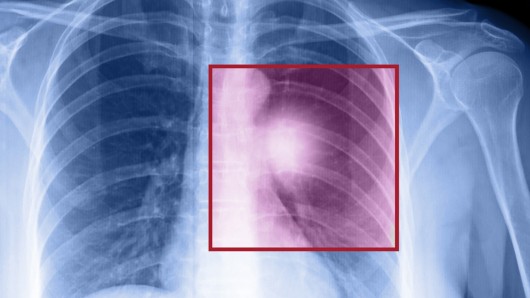
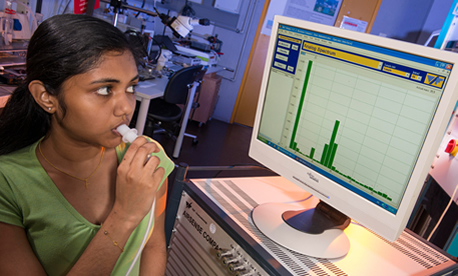
The first comes from the UK, where the ongoing fight against cancer has entered a new phase. For years, researchers have been developing various breathalyzer devices to help detect cancer in its early phases. And now, a team from the University of Huddersfield plans to introduce one such cancer-detecting breathalyser (known as the RTube) into pharmacies.

lung-cancer-xrayAccording to Dr Rachel Airley, the lead researcher of the Huddersfield team, these molecules – which consist of genes, proteins, fragments of cells, secretions and chemicals produced by the metabolism of living tissue with the disease – form a kind of chemical and biological signature. Using breath testing devices like the RTube, Dr Airley developed a project to define a lung cancer “biomarker signature” that is detectable in breath.

According to Dr Airley:

When you get certain chemicals in someone’s breath, that can be a sign that there is early malignancy. We are looking to be able to distinguish between patients with early lung cancer and patients who have maybe got bronchitis, emphysema or non-malignant smoking related disease… or who have maybe just got a cough.

cancer_breathalyserThe goal of the project is to validate the signature in a large number of patients to ensure it can reliably distinguish between lung cancer and non-cancerous lung disease. Dr. Airley told us that this will require tracking the progress of patients for up to five years to see if the disease develops and can be linked back to a signature picked up in the patient’s breath at the beginning of the project.

So far, the project has secured £105,000 (US$170,000) in funding from the SG Court Pharmacy Group with the University of Huddersfield providing matching funding. The SG also operates the chain of pharmacies in the South East of England where the initial trials of the breathalyzer technology will be carried out.

The researchers predict that people visiting their local pharmacy for medication or advice to help them quite smoking will be invited to take a quick test, with the goal of catching the disease before the patients start to experience symptoms. Once symptoms present themselves, the disease is usually at an advanced stage and it is often too late for effective treatment.

cancer_cellDr Airley stresses that the trial is to test the feasibility of the pharmacy environment for such a test and to ensure the quality of the test samples obtained in this setting are good enough to pick up the signature:

There are 12,000 community pharmacies in Britain and there is a big move for them to get involved in primary diagnostics, because people visit their pharmacies not just when they are ill but when they are well. A pharmacy is a lot less scary than a doctor’s surgery.

Dr Airley also says her team is about to start collecting breath samples from healthy volunteers and patients with known disease as a reference point and hope to start the pharmacy trials within two years. If all goes well, she says it will be at least five years before the test is widely available.

max_plank_testThe next comes from Germany, where researchers have created a test that may help doctors predict one of the most severe side effects of antidepressants: treatment-emergent suicidal ideation (TESI). The condition is estimated to affect between four and 14 percent of patients, who typically present symptoms of TESI in the first weeks of treatment or following dosage adjustments.

So far doctors haven’t been able to find the indicators that could predict which patients are more likely to develop TESI, and finding the right medication and testing for side-effects is often a matter of simple trial and error. But a new test based on research carried out by the Max Planck Institute of Psychiatry in Munich, Germany, could change all that.

genetic_circuitThe researchers carried out genome-wide association studies on 397 patients, aged 18 to 75, who were hospitalized for depression, but were not experiencing suicidal thoughts at the time they began treatment. During the study, a reported 8.1 percent of patients developed TESI, and 59 percent of those developed it within the first two weeks of treatment.

To arrive at a list of reliable predictors, the team genotyped the whole group and then compared patients who developed TESI with those who didn’t. Ultimately, they found a subset of 79 genetic variants associated with the risk group. They then conducted an independent analysis of a larger sample group of in-patients suffering from depression and found that 90 percent of the patients were shown to have these markers.

antidepressantsIn short, this test has found that the most dangerous side-effect of antidepressant use is genetic in nature, and can therefore be predicted ahead of time. In addition, the research shed new light on the age of those affected by TESI. Prior to discovering that all age groups in the study were at risk, the assumption had been that under-25s were more at risk, leading to the FDA to begin issuing warnings by 2005.

According to some experts, this warning has had the effect of reducing the prescription of antidepressants when treating depression. In other words, patients who needed treatment were unable to get it, out of fear that it might make things worse. This situation could now be reversed that doctors can avail themselves of this new assessment tool based on the research.

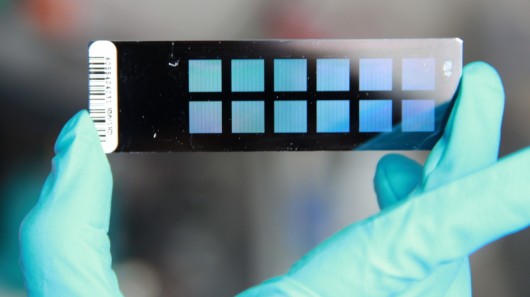
DNA-MicroarrayThe laboratory-developed test, featuring a DNA microarray (chip), is being launched immediately by US company Sundance Diagnostics, ahead of submission to the FDA for market clearance. As Sundance CEO Kim Bechthold said in a recent interview:

A DNA microarray is a small solid support, usually a membrane or glass slide, on which sequences of DNA are fixed in an orderly arrangement. It is used for rapid surveys of the presence of many genes simultaneously, as the sequences contained on a single microarray can number in the thousands.

Ultimately, according to Bechthold, the aim here is to assist physicians in significantly reducing the risk of suicide in antidepressant use, and also to provide patients and families with valuable personal information to use with their doctors in weighing the risks and benefits of the medications.

Wow! From detecting cancer to preventing suicides, the New Year is looking bright indeed! Stay tuned for good news from the field of future medicine!

Sources: gizmag.com, hud.ac.uk, (2), mpg.de

The Future is Bright: Positive Trends to Look For in 2014

Colourful 2014 in fiery sparklersWith all of the world’s current problems, poverty, underdevelopment, terrorism, civil war, and environmental degradation, it’s easy to overlook how things are getting better around the world. Not only do we no longer live in a world where superpowers are no longer aiming nuclear missiles at each other and two-thirds of the human race live beneath totalitarian regimes; in terms of health, mortality, and income, life is getting better too.

So, in honor of the New Year and all our hopes for a better world, here’s a gander at how life is improving and is likely to continue…

1. Poverty is decreasing:
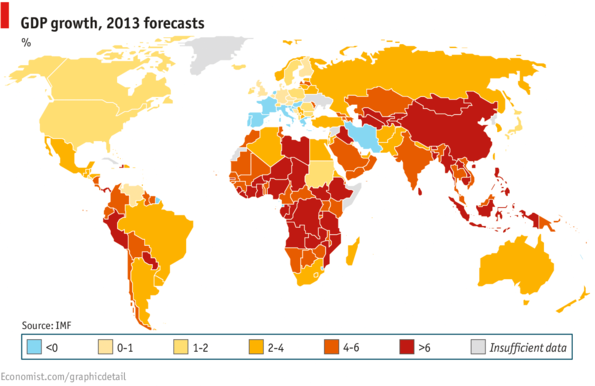
The population currently whose income or consumption is below the poverty line – subsisting on less than $1.25 a day –  is steadily dropping. In fact, the overall economic growth of the past 50 years has been proportionately greater than that experienced in the previous 500. Much of this is due not only to the growth taking place in China and India, but also Brazil, Russia, and Sub-Saharan Africa. In fact, while developing nations complain about debt crises and ongoing recession, the world’s poorest areas continue to grow.

gdp-growth-20132. Health is improving:
The overall caloric consumption of people around the world is increasing, meaning that world hunger is on the wane. Infant mortality, a major issue arising from poverty, and underdevelopment, and closely related to overpopulation, is also dropping. And while rates of cancer continue to rise, the rate of cancer mortality continue to decrease. And perhaps biggest of all, the world will be entering into 2014 with several working vaccines and even cures for HIV (of which I’ve made many posts).

3. Education is on the rise:
More children worldwide (especially girls) have educational opportunities, with enrollment increasing in both primary and secondary schools. Literacy is also on the rise, with the global rate reaching as high as 84% by 2012. At its current rate of growth, global rates of literacy have more than doubled since 1970, and the connections between literacy, economic development, and life expectancy are all well established.

literacy_worldwide4. The Internet and computing are getting faster:
Ever since the internet revolution began, connection speeds and bandwidth have been increasing significantly year after year. In fact, the global average connection speed for the first quarter of 2012 hit 2.6 Mbps, which is a 25 percent year-over-year gain, and a 14 percent gain over the fourth quarter of 2011. And by the second quarter of 2013, the overall global average peak connection speed reached 18.9 Mbps, which represented a 17 percent gan over 2012.

And while computing appears to be reaching a bottleneck, the overall increase in speed has increased by a factor of 260,000 in the past forty years, and storage capacity by a factor of 10,000 in the last twenty. And in terms of breaking the current limitations imposed by chip size and materials, developments in graphene, carbon nanotubes, and biochips are promising solutions.

^5. Unintended pregnancies are down:
While it still remains high in the developing regions of the world, the global rate of unintended pregnancies has fallen dramatically in recent years. In fact, between 1995 and 2008, of 208 billion pregnancies surveyed in a total of 80 nations, 41 percent of the pregnancies were unintended. However, this represents a drop of 29 percent in the developed regions surveyed and a 20 percent drop in developing regions.

The consequences of unintended pregnancies for women and their families is well established, and any drop presents opportunities for greater health, safety, and freedom for women. What’s more, a drop in the rate of unwanted pregnancies is surefire sign of socioeconomic development and increasing opportunities for women and girls worldwide.

gfcdimage_06. Population growth is slowing:
On this blog of mine, I’m always ranting about how overpopulation is bad and going to get to get worse in the near future. But in truth, that is only part of the story. The upside is while the numbers keep going up, the rate of increase is going down. While global population is expected to rise to 9.3 billion by 2050 and 10.1 billion by 2100, this represents a serious slowing of growth.

If one were to compare these growth projections to what happened in the 20th century, where population rose from 1 billion to just over 6, they would see that the rate of growth has halved. What’s more, rates of population growth are expecting to begin falling in Asia by 2060 (one of the biggest contributors to world population in the 20th century), in Europe by 2055, and the Caribbean by 2065.

Population_curve.svgIn fact, the only region where exponential population growth is expected to happen is Africa, where the population of over 1 billion is expected to reach 4 billion by the end of the 21st century. And given the current rate of economic growth, this could represent a positive development for the continent, which could see itself becoming the next powerhouse economy by the 2050s.

7. Clean energy is getting cheaper:
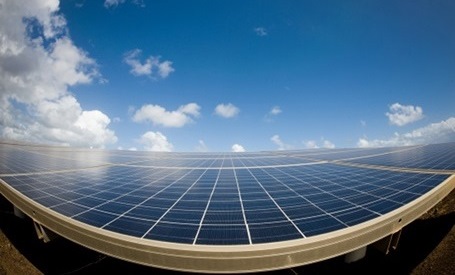
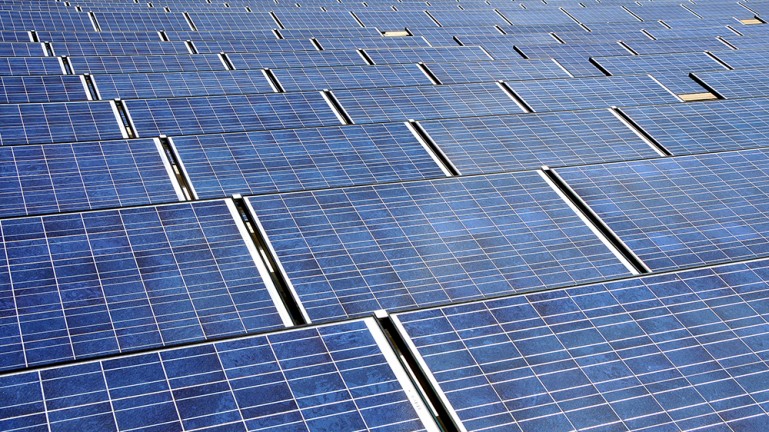
While the price of fossil fuels are going up around the world, forcing companies to turn to dirty means of oil and natural gas extraction, the price of solar energy has been dropping exponentially. In fact, the per capita cost of this renewable source of energy ($ per watt) has dropped from a high of $80 in 1977 to 0.74 this past year. This represents a 108 fold decrease in the space of 36 years.

solar_array1And while solar currently comprises only a quarter of a percent of the planet’s electricity supply, its total share grew by 86% last year. In addition, wind farms already provide 2% of the world’s electricity, and their capacity is doubling every three years. At this rate of increase, solar, wind and other renewables are likely to completely offset coal, oil and gas in the near future.

Summary:
In short, things are looking up, even if they do have a long way to go. And a lot of what is expected to make the world a better place is likely to happen this year. Who knows which diseases we will find cures for? Who knows what inspirational leaders will come forward? And who knows what new and exciting inventions will be created, ones which offer creative and innovative solutions to our current problems?

Who knows? All I can say is that I am eager to find out!

Additional Reading: unstats.un.org, humanprogress.org, mdgs.un.org

Biggest Scientific Breakthroughs of 2013

center_universe2The new year is literally right around the corner, folks. And I thought what better way to celebrate 2013 than by acknowledging its many scientific breakthroughs. And there were so many to be had – ranging in fields from bioresearch and medicine, space and extra-terrestrial exploration, computing and robotics, and biology and anthropology – that I couldn’t possibly do them all justice.

Luckily, I have found a lovely, condensed list which managed to capture what are arguably the biggest hits of the year. Many of these were ones I managed to write about as they were happening, and many were not. But that’s what’s good about retrospectives, they make us take account of things we missed and what we might like to catch up on. And of course, I threw in a few stories that weren’t included, but which I felt belonged.

So without further ado, here are the top 12 biggest breakthroughs of 2013:

1. Voyager 1 Leaves the Solar System:

For 36 years, NASA’s Voyager 1 spacecraft has travelling father and farther away from Earth, often at speeds approaching 18 km (11 miles) per second. At a pace like that, scientists knew Voyager would sooner or later breach the fringe of the heliosphere that surrounds and defines our solar neighborhood and enter the bosom of our Milky Way Galaxy. But when it would finally break that threshold was a question no one could answer. And after months of uncertainty, NASA finally announced in September that the space probe had done it. As Don Gurnett, lead author of the paper announcing Voyager’s departure put it: “Voyager 1 is the first human-made object to make it into interstellar space… we’re actually out there.”

voyager12. The Milky Way is Filled with Habitable Exoplanets:

After years of planet hunting, scientists were able to determine from all the data gathered by the Kepler space probe that there could be as many as 2 billion potentially habitable exoplanets in our galaxy. This is the equivalent of roughly 22% of the Milky Way Galaxy, with the nearest being just 12 light years away (Tau Ceti). The astronomers’ results, which were published in October of 2013, showed that roughly one in five sunlike stars harbor Earth-size planets orbiting in their habitable zones, much higher than previously thought.

exoplanets23. First Brain to Brain Interface:

In February of 2013, scientists announced that they had successfully established an electronic link between the brains of two rats. Even when the animals were separated by thousands of kms distance, signals from the mind of one could help the second solve basic puzzles in real time. By July, a connection was made between the minds of a human and a rat. And by August, two researchers at the Washington University in St. Louis were able to demonstrate that signals could be transmitted between two human brains, effectively making brain-to-brain interfacing (BBI), and not just brain computer interfacing (BCI) truly possible.

brain-to-brain-interfacing4. Long-Lost Continent Discovered:

In February of this year, geologists from the University of Oslo reported that a small precambrian continent known as Mauritia had been found. At one time, this continent resided between Madagascar and India, but was then pushed beneath the ocean by a multi-million-year breakup spurred by tectonic rifts and a yawning sea-floor. But now, volcanic activity has driven the remnants of the long-lost continent right through to the Earth’s surface.

Not only is this an incredibly rare find, the arrival of this continent to the surface has given geologists a chance to study lava sands and minerals which are millions and even billions of years old. In addition to the volcanic lava sands, the majority of which are around 9 million years old, the Oslo team also found deposits of zircon xenocryst that were anywhere from 660 million to 1.97 billion years old. Studies of these and the land mass will help us learn more about Earth’s deep past.

mauritia5. Cure for HIV Found!:

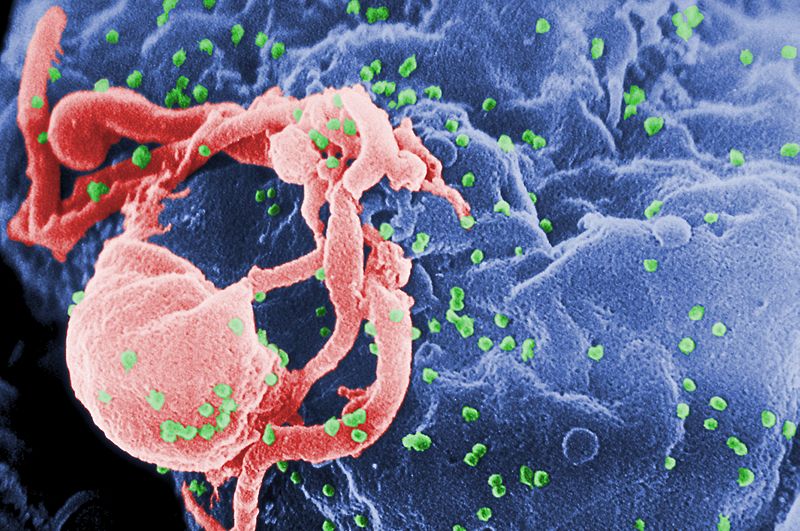
For decades, medical researchers and scientists have been looking to create a vaccine that could prevent one from being infected with HIV. But in 2013, they not developed several vaccines that demonstrated this ability, but went a step further and found several potential cures. The first bit of news came in March, when researchers at Caltech demonstrated using HIV antibodies and an approach known as Vectored ImmunoProphylaxis (VIP) that it was possible to block the virus.

Then came the SAV001 vaccine from the Schulich School of Medicine & Dentistry at Western University in London, Ontario, which aced clinical trials. This was punctuated by researchers at the University of Illinois’, who in May used the “Blue Waters” supercomputer to developed a new series of computer models to get at the heart of the virus.

HIV-budding-ColorBut even more impressive was the range of potential cures that were developed. The first came in March, where researchers at the Washington University School of Medicine in St. Louis that a solution of bee venom and nanoparticles was capable of killing off the virus, but leaving surrounding tissue unharmed. The second came in the same month, when doctors from Johns Hopkins University Medical School were able to cure a child of HIV thanks to the very early use of antiretroviral therapy (ART).

And in September, two major developments occurred. The first came from Rutgers New Jersey Medical School, where researchers showed that an antiviral foot cream called Ciclopirox was capable of eradicating infectious HIV when applied to cell cultures of the virus. The second came from the Vaccine and Gene Therapy Institute at the Oregon Health and Science University (OHSU), where researchers developed a vaccine that was also able to cure HIV in about 50% of test subjects. Taken together, these developments may signal the beginning of the end of the HIV pandemic.

hiv-aids-vaccine6. Newly Discovered Skulls Alter Thoughts on Human Evolution:

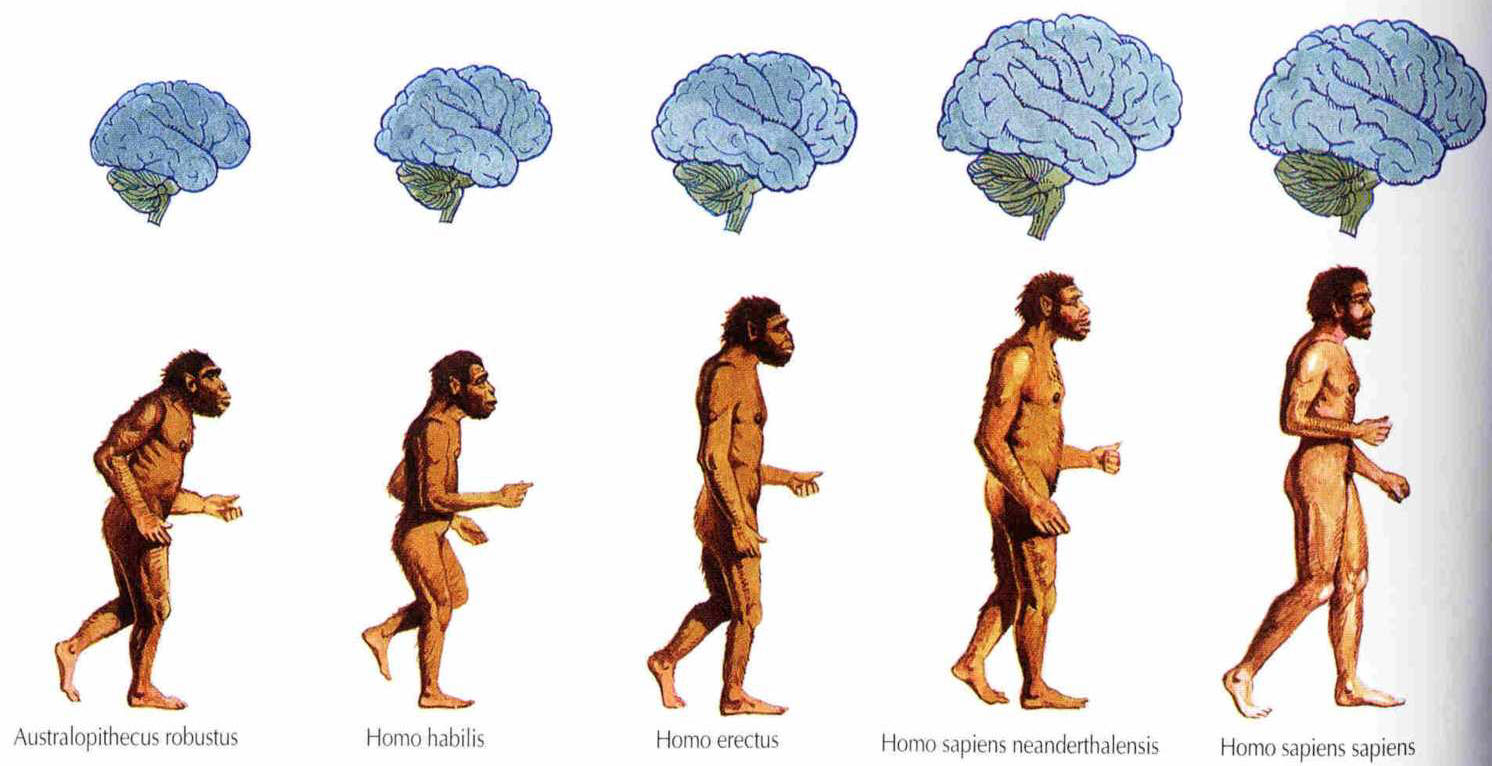
The discovery of an incredibly well-preserved skull from Dmanisi, Georgia has made anthropologists rethink human evolution. This 1.8 million-year old skull has basically suggested that our evolutionary tree may have fewer branches than previously thought. Compared with other skulls discovered nearby, it suggests that the earliest known members of the Homo genus (H. habilis, H.rudolfensis and H. erectus) may not have been distinct, coexisting species, but instead were part of a single, evolving lineage that eventually gave rise to modern humans.

humanEvolution7. Curiosity Confirms Signs of Life on Mars:

Over the past two years, the Curiosity and Opportunity rovers have provided a seemingly endless stream of scientific revelations. But in March of 2013, NASA scientists released perhaps the most compelling evidence to date that the Red Planet was once capable of harboring life. This consisted of drilling samples out of the sedimentary rock in a river bed in the area known as Yellowknife Bay.

Using its battery of onboard instruments, NASA scientists were able to detect some of the critical elements required for life – including sulfur, nitrogen, hydrogen, oxygen, phosphorus, and carbon. The rover is currently on a trek to its primary scientific target – a three-mile-high peak at the center of Gale Crater named Mount Sharp – where it will attempt to further reinforce its findings.

mt_sharp_space8. Scientists Turn Brain Matter Invisible:

Since its inception as a science, neuroanatomy – the study of the brain’s functions and makeup – has been hampered by the fact that the brain is composed of “grey matter”. For one, microscopes cannot look beyond a millimeter into biological matter before images in the viewfinder get blurry. And the common technique of “sectioning” – where a brain is frozen in liquid nitrogen and then sliced into thin sheets for analysis – results in  tissue being deformed, connections being severed, and information being lost.

But a new technique, known as CLARITY, works by stripping away all of a tissue’s light-scattering lipids, while leaving all of its significant structures – i.e. neurons, synapses, proteins and DNA – intact and in place. Given that this solution will allow researchers to study samples of the brains without having to cut them up, it is already being hailed as one of the most important advances for neuroanatomy in decades.


9. Scientists Detect Neutrinos from Another Galaxy:

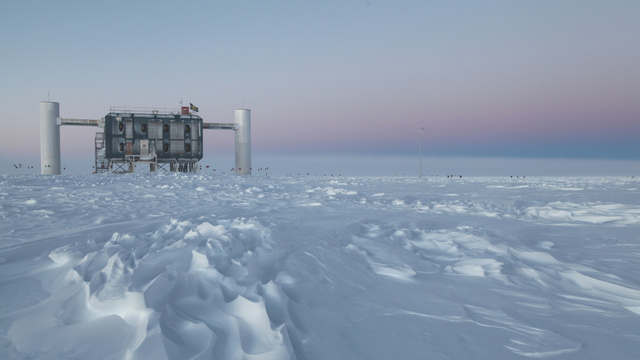
In April of this year, physicists working at the IceCube South Pole Observatory took part in an expedition which drilled a hole some 2.4 km (1.5 mile) hole deep into an Antarctic glacier. At the bottom of this hole, they managed to capture 28 neutrinos, a mysterious and extremely powerful subatomic particle that can pass straight through solid matter. But the real kicker was the fact that these particles likely originated from beyond our solar system – and possibly even our galaxy.

That was impressive in and off itself, but was made even more so when it was learned that these particular neutrinos are over a billion times more powerful than the ones originating from our sun. So whatever created them would have had to have been cataclysmicly powerful – such as a supernova explosion. This find, combined with the detection technique used to find them, has ushered in a new age of astronomy.

antarctic_expedition

10. Human Cloning Becomes a Reality:

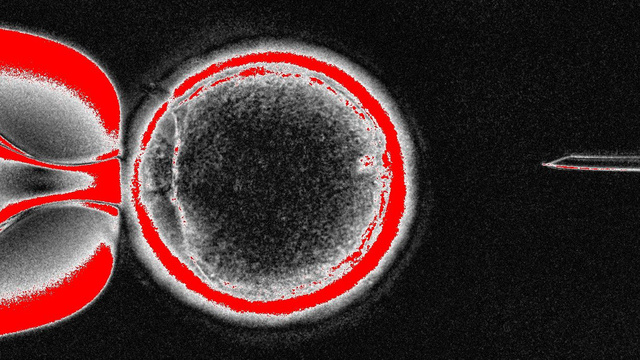
Ever since Dolly the sheep was cloned via somatic cell nuclear transfer, scientists have wondered if a similar technique could be used to produce human embryonic stem cells. And as of May, researchers at Oregon Health and Science University managed to do just that. This development is not only a step toward developing replacement tissue to treat diseases, but one that might also hasten the day when it will be possible to create cloned, human babies.

cloning

11. World’s First Lab Grown Meat:

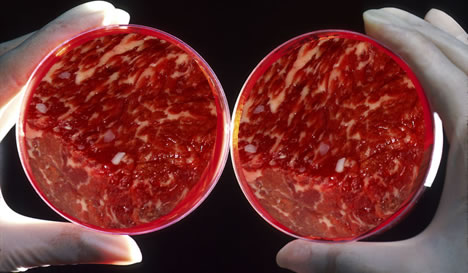
In May of this year, after years of research and hundred of thousands of dollars invested, researchers at the University of Maastricht in the Netherlands created the world’s first in vitro burgers. The burgers were fashioned from stem cells taken from a cow’s neck which were placed in growth medium, grown into strips of muscle tissue, and then assembled into a burger. This development may prove to be a viable solution to world hunger, especially in the coming decades as the world’s population increases by several billion.

labmeat112. The Amplituhedron Discovered:

If 2012 will be remembered as the year that the Higgs Boson was finally discovered, 2013 will forever be remembered as the year of the Amplituhedron. After many decades of trying to reformulate quantum field theory to account for gravity, scientists at Harvard University discovered of a jewel-like geometric object that they believe will not only simplify quantum science, but forever alters our understanding of the universe.

This geometric shape, which is a representation of the coherent mathematical structure behind quantum field theory, has simplified scientists’ notions of the universe by postulating that space and time are not fundamental components of reality, but merely consequences of the”jewel’s” geometry. By removing locality and unitarity, this discovery may finally lead to an explanation as to how all the fundamental forces of the universe coexist.

amplutihedron_spanThese forces are weak nuclear forces, strong nuclear forces, electromagnetism and gravity. For decades, scientists have been forced to treat them according to separate principles – using Quantum Field Theory to explain the first three, and General Relativity to explain gravity. But now, a Grand Unifying Theory or Theory of Everything may actually be possible.

13. Bioprinting Explodes:

The year of 2013 was also a boon year for bioprinting – namely, using the technology of additive manufacturing to create samples of living tissue. This began in earnest in February, where a team of researchers at Heriot-Watt University in Scotland used a new printing technique to deposit live embryonic stem cells onto a surface in a specific pattern. Using this process, they were able to create entire cultures of tissue which could be morphed into specific types of tissue.

Later that month, researchers at Cornell University used a technique known as “high-fidelity tissue engineering” – which involved using artificial living cells deposited by a 3-D printer over shaped cow cartilage – to create a replacement human ear. This was followed some months later in April when a San Diego-based firm named Organova announced that they were able to create samples of liver cells using 3D printing technology.


And then in August, researchers at Huazhong University of Science and Technology were able to use the same technique create the world first, living kidneys. All of this is pointing the way towards a future where human body parts can be created simply by culturing cells from a donor’s DNA, and replacement organs can be synthetically created, revolutionizing medicine forever.

14. Bionic Machinery Expands:

If you’re a science buff, or someone who has had to go through life with a physical disability, 2013 was also a very big year for the field of bionic machinery. This consisted not only of machinery that could meld with the human body in order to perform fully-human tasks – thus restoring ambulatory ability to people dealing with disabling injuries or diseases – but also biomimetic machinery.

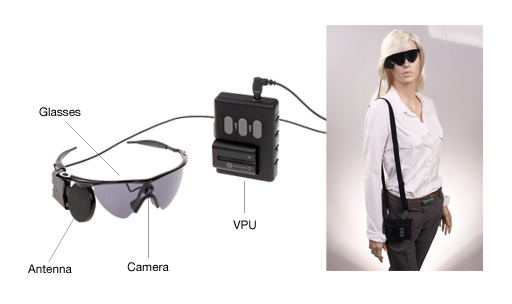
ArgusIIThe first took place in February, where researchers from the University of of Tübingen unveiled the world’s first high-resolution, user-configurable bionic eye. Known officially as the “Alpha IMS retinal prosthesis”, the device helps to restore vision by converted light into electrical signals your retina and then transmitted to the brain via the optic nerve. This was followed in August by the Argus II “retinal prosthetic system” being approved by the FDA, after 20 years of research, for distribution in the US.

Later that same month, the Ecole Polytechnique Federale de Lausanne in Switzerland unveiled the world’s first sensory prosthetic hand. Whereas existing mind-controlled prosthetic devices used nerve signals from the user to control the movements of the limb, this new device sends electrostimulus to the user’s nerves to simulate the sensation of touch.

prosthetic_originalThen in April, the University of Georgia announced that it had created a brand of “smart skin” – a transparent, flexible film that uses 8000 touch-sensitive transistors – that is just as sensitive as the real thing. In July, researchers in Israel took this a step further, showing how a gold-polyester nanomaterial would be ideal as a material for artificial skin, since it experiences changes in conductivity as it is bent.

15. 400,000 Year-Old DNA Confuses Humanity’s Origin Story:

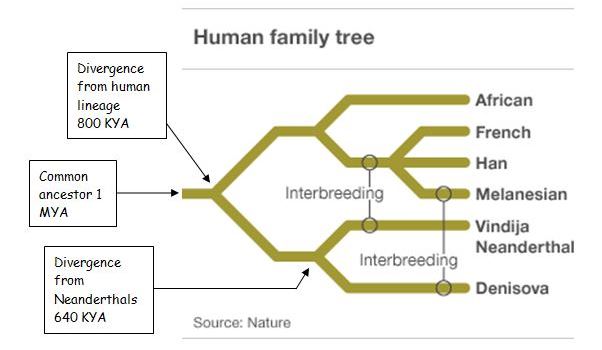
Another discovery made this year has forced anthropologist to rethink human evolution. This occurred in Spain early in December, where a team from the Max Planck Institute for Evolutionary Anthropology in Leipzig, Germany recovered a 400,000 year-old thigh bone. Initially thought to be a forerunner of the Neanderthal branch of hominids, it was later learned that it belonged to the little-understood branch of hominins known as Denisovans.

Human-evoThe discordant findings are leading anthropologists to reconsider the last several hundred thousand years of human evolution. In short, it indicates that there may yet be many extinct human populations that scientists have yet to discover. What’s more, there DNA may prove to be part of modern humans genetic makeup, as interbreeding is a possibility.

News from Space: Titan’s Seas Mapped in Detail

titan_cassiniIt’s been an eventful year for NASA, thanks to the ongoing efforts of its many space probes and landers. In addition to some breathtaking discoveries made on Mars (proof of the existence of water and an atmosphere in the past), the MESSENGER probe discovered ice around the poles of Mercury, captured impressive footage of the surface, and mapped out the planet for the first time.

And while all this was happening in the Inner Solar System, the Cassini space probe was doing some rather impressive things in the Outer Solar System. In addition to taking part in the “Smile at Saturn” event, surveying the Jovian satellite of Europa, and unlocking the strange secrets of Saturn’s moons, Cassini also provided the most detailed map yet of the Saturnalian giant known as Titan.

titan_surfaceAnd now, using the data provided by NASA’s spacecraft, scientists have created this beautiful mosaic mapping the northern hemisphere of Titan, which is full of rivers, lakes, and seas. Ever since Cassini started mapping the world in 2004, it has been known that Titan boasts natural bodies of water that are composed not of water, but liquid hydrocarbons.

However, Cassini’s scans missed the true extent of some seas, including the biggest one of all: Kraken Mare. This new map fills in almost all the area of Titan’s north pole and provides scientists with important answers to some of their questions. These include how the geographic distribution of these natural bodies of water came to be.

titan_surface1For instance, while the northern hemisphere is dotted all over with hundreds of tiny lakes, the large seas seem confined to a specific area (see the lower right side of the image above). As geophysicist Randolph Kirk of the U.S. Geological Survey pointed out during a press conference at the American Geophysical Union conference, geological forces are most likely at work here.

Basically, the team thinks that Titan’s crust has fractured here when active tectonics created almost straight lines of parallel mountain chains. The low-lying areas are what gets filled with liquid, creating Kraken Mare and its smaller neighbor, Ligeia Mare. The scientists think the process may be analogous to the flooding which created large bodies of water in Nevada some 12,000 years ago.

titan_lakesOther tectonic processes are probably behind the smaller dotted lakes too, though scientists don’t yet know precisely what. Some of the lakes could be the infilled calderas of former active volcanoes, which would spew molten water instead of lava. But there isn’t enough volcanic activity on the moon to account for all of them.

Instead, many were probably created when liquid hydrocarbons dissolved the frozen ice, in the same way that water on Earth dissolves limestone to create features like the Bottomless Lakes in New Mexico. According to Kirk, “this creates a kind of exciting prospect that under the northern pole of Titan is a network of caves.” Such caves on Earth are often filled with all manner of life, so these ones could be as well.

Moons_of_Saturn_2007Other radar data has shown the depth and volume of Ligeia Mare, the second largest sea in the northern hemisphere. According to NASA scientists, the sea has a maximum depth of about 170 meters, as deep as Lake Michigan, and about twice its volume. Alas, beyond the comparative size of these bodies of water, Titan’s liquid bodies could not be more different than those on Earth.

As already noted, Titan’s lakes, rivers and seas are composed of liquid hydrocarbons, most likely ethane and methane. Ordinarily, these exist in gaseous form. But given Titan’s surface conditions, where the average temperatures is -180 degrees Celsius (-292 Fahrenheit), these hydrocarbons are able to exist in liquid form.

TitanNevertheless, finding evidence of such chemicals on planets beyond Earth is a rare and impressive find. Combined with the discovery of propelyne in Titan’s atmosphere – an organic compound that is a byproduct of oil refining, fossil fuel extraction, and thought not to exist beyond Earth – this moon is proving to be full of surprises!

And be sure to enjoy this video which simulates a flyover of Titan, as complied by NASA from the data provided by the Cassini space probe:


Source: wired.com
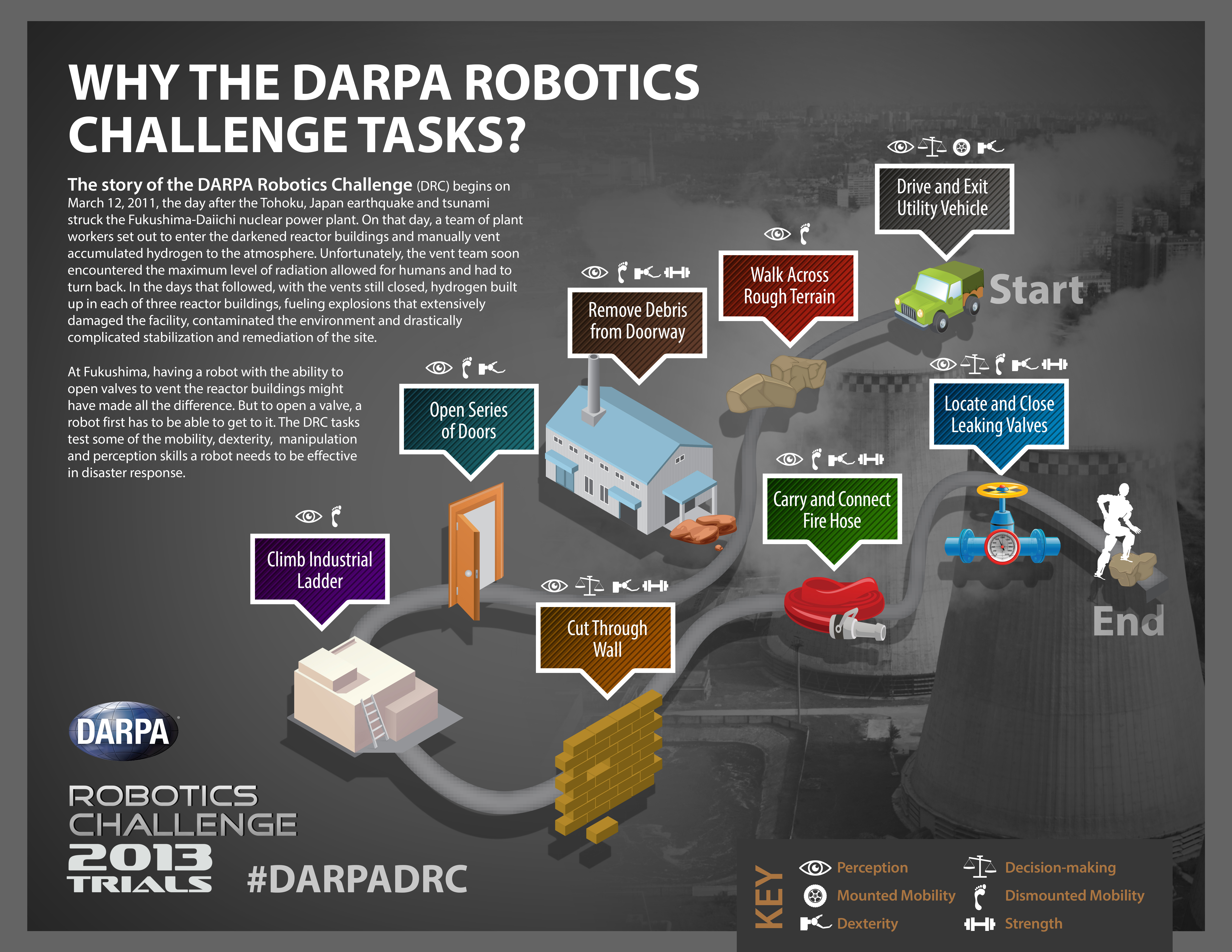
Judgement Day Update: DARPA Robotics Challenge!

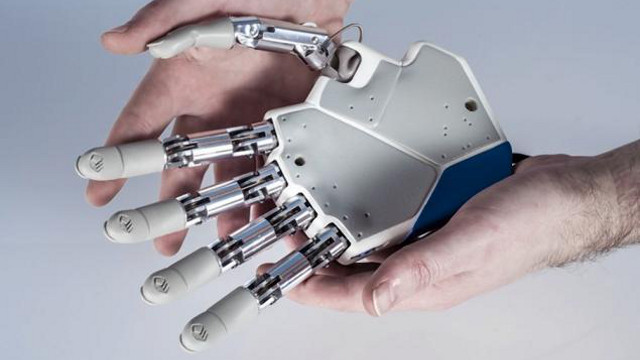
darpa-robotics-challenge-conceptFor the past two years, the Defense Advanced Research Projects Agency has been holding a series of trials where robots are tasked with navigating disaster areas and performing tasks with tools and materials provided. This is known as the Robotics Challenge, which took place from Dec.20th to 21st and was streamed live from Florida’s Homestead Miami Speedway.

And this year, Google’s Schaft humanoid robot took home the top prize after scoring 27 points out of a total of 32 points. IHMC Robotics, based in Florida, grabbed second place, while Carnegie Mellon University’s Team Tartan Rescue placed third. Eight of the top teams that participated in the challenge may receive as much as $1 million in funding from DARPA, ahead of further trials next year with a $2 million prize.

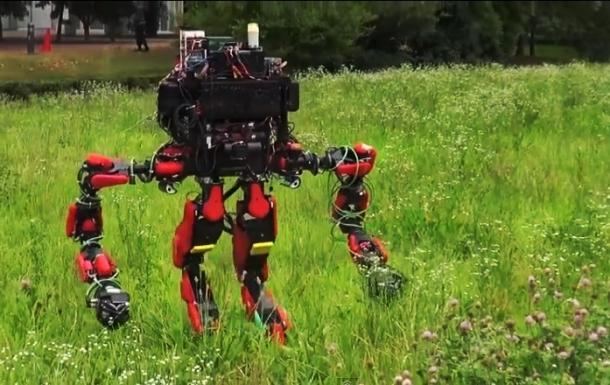
schaft_robotBuilt by a Japanese start-up – one of Google’s many recent acquisitions – the Schaft is an updated version of the Humanoid Robot Project robot (HRP-2), with hardware and software modifications that include more powerful actuators, a walking/stabilization system, and a capacitor instead of a battery. The robot stands 1.48 m (4.8 ft) tall, weighs in at 95 kg (209 lb), and is generally unappealing to the eye.

However, what it lacks in photogenic quality, it makes up for in performance. Over the course of the trials, the bipedal robot was able to bring stable walking and significant torque power to fore as it opened doors, wielded hoses, and cut away part of a wall. However, team Schaft lost points when a gust of wind blew a door out of the robot’s hand and the robot was unable to exit a vehicle after navigated a driving course successfully.

Check out the video of the Schaft in action:


Initially, over 100 teams applied to compete when the challenged was announced in April of last year. After a series of reviews and virtual challenges, the field was narrowed down to 16 competing in four “tracks. On Track A, Schaft was joined by the RoboSimian, the robot recently built by NASA’s Jet Propulsion Laboratory (JPL). Another primate-like robot was the Tartan Rescue CHIMP, a red headless robot with rollers on its feet.

At the other end of the spectrum was the Johnson Space Center’s Valkyrie, a biped, anthropomorphic robot that honestly looks like something out of anime or Tony Stark’s closet. This latter aspect is due largely to the fact that it has a glowing chest light, though the builders claim that it’s just a bulge to make room in the torso for linear actuators to move the waist.

Valkyrie_robotOfficially designated “R5” by NASA, Val was designed to be a high-powered rescue robot, capable of traversing uneven terrain, climbing ladders, using tools, and even driving. According to the designers, the Valkyrie was designed to be human in form because:

a human form makes sense because we’re humans, and these robots will be doing the jobs that we don’t want to be doing because they’re too dangerous. To that end, Valkyrie has seven degree of freedom arms with actuated wrists and hands, each with three fingers and a thumb. It has a head that can tilt and swivel, a waist that can rotate, and six degree of freedom legs complete with feet equipped with six-axis force-torque sensors.

Unfortunately, the robot failed in its tasks this year, scoring 0 points and placing amongst the last three competitors. I guess NASA has some bugs to work out before this patently badass design can go toe-to-toe with other disaster robots. Or perhaps the anthropomorphic concept is just not up to the task. Only time and further trials will tell. And of course, there’s a video of Val in action too:


The B and C track teams are often difficult to tell apart because they all used Atlas robots. Meanwhile, the D track teams brought several of their own robots to the fore. These included Chiron, a robot that resembles a a metallic sea louse; Mojovation, a distinctly minimalist robot; South Korea’s Kaist, and China’s Intelligent Pioneer.

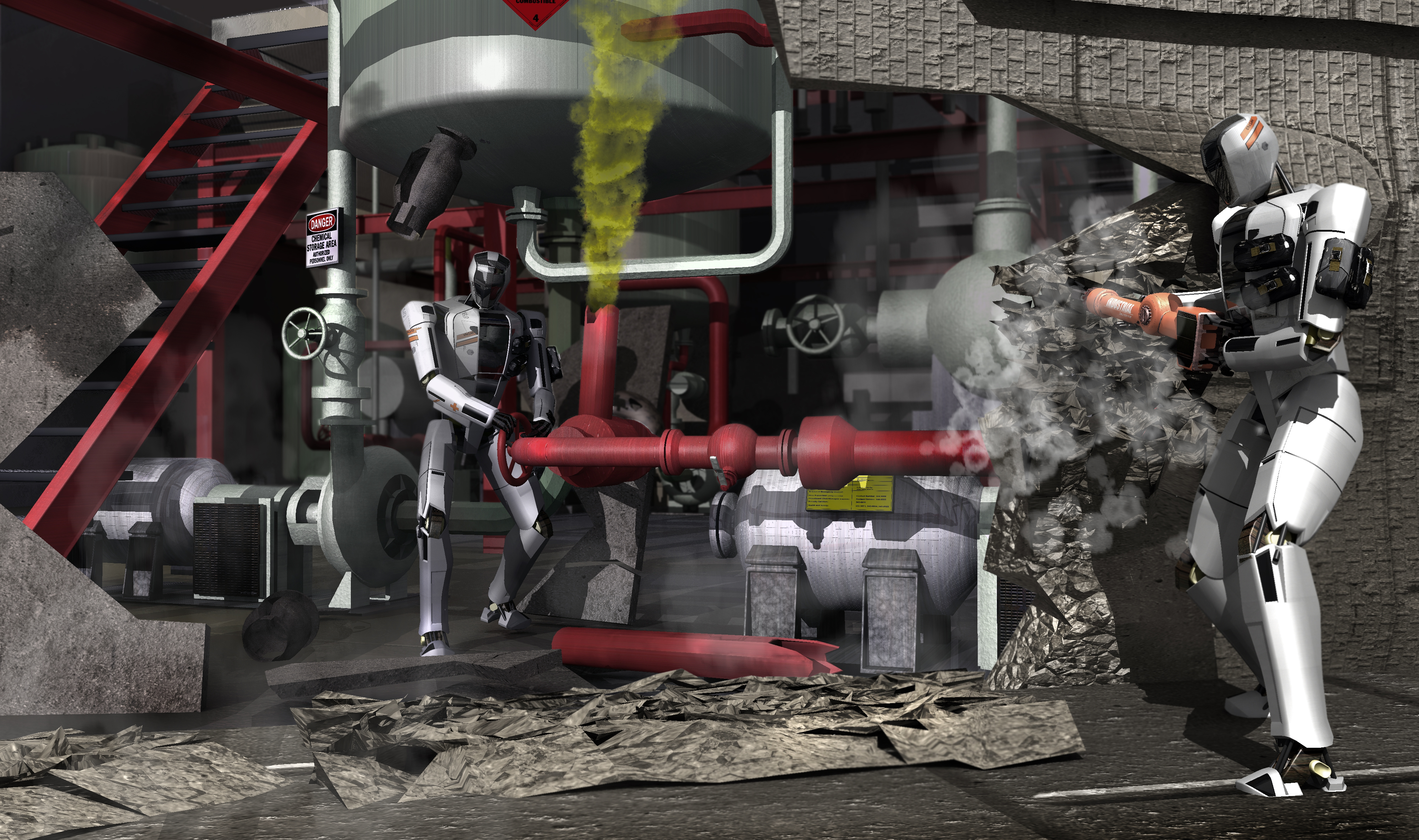
DARPA says that the point of the competition is to provide a baseline from which to develop robotics for disaster response. Events such as the 2011 Fukushima nuclear disaster, which not only damaged the reactors but made it impossible for crews to respond in time, demonstrate that robots have a potential role. DARPA believes that robots that could navigate the ruins and work in radioactive environments would have been of great help.

DARPA Robotics Challenge The problem is that current robots simply aren’t up to task. Specialized robots can’t be built to deal with the unpredictable, full telepresence control is neither practical nor desirable, and most robots tend to be a bit on the delicate side. What’s needed is a robot that can work on its own, use tools and vehicles at hand, deal with the unpredictable, and is durable and agile enough to operate in the ruins of a building.

That’s where DARPA Robotics Challenge comes in. Over the next few years, DARPA will use the results of the competition to draw a baseline that will benefit engineers working on the next generation of robots. For now, the top eight of the teams go on with DARPA funding to compete in the Robotics Finals event late next year, for a US $2 million prize.

DARPACourseIf there’s one thing the current challenge demonstrated, its that anthropomorphic designs are not well-suited to the tasks they were given. And ironic outcome, considering that one of the aims of the challenge is to develop robots capable of performing human tasks, but under conditions considered unsafe for humans. As always, the top prize goes to those who can think outside the box!

And in the meantime, enjoy this video of the Robot Challenge, taken on the second day of the trials.


Sources: gizmag.com, news.cnet.com, wired.com, IO9.com, theroboticchallenge.org

Towards a Cleaner Future: Solar and Wind Drones

solar_cell_galliumWith supplies of easily accessible fossil fuels diminishing, pushing us towards dirtier sources of oil and natural gas (such as tar sands and frakking), researchers are looking for ways to make renewable energy more efficient and accessible. Towards this end, they are pushing the boundaries of solar cells and wind turbines are capable of, but the constraints of land and weather limit where vast solar or wind farms can be set up.

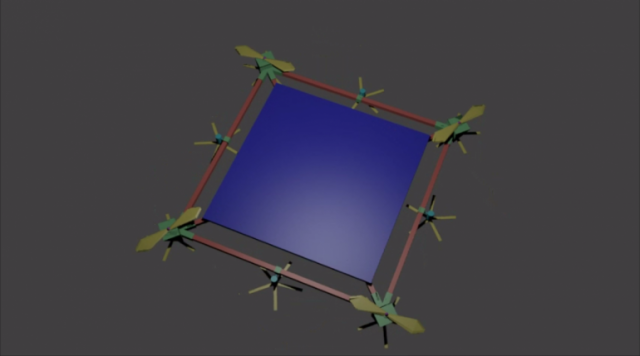
Luckily, a UK-based company known as New Wave Energy has spent the last few years developing the technology to produce an army of power-generating drone aircraft to overcome these very problems. Basically, each craft is a 20x20m (65ft) flat surface fitted with solar panels and turbines to generate power from the sun and wind, and four small propellers that keep it aloft.

solar_dronesThe drones would be capable of flying at altitudes of up to 15,240 meters (50,000 feet), putting them far above the clouds that can obscure the sun. The propellers would allow the craft to track the course of the sun to remain in optimal position for as long as possible. At these altitudes, the wind is also more consistent and powerful, which means smaller turbines can be used in place of the giant towers necessary down near the ground.

In terms of transmitting that power, the key is in the use of microwaves. In essence, power from the drones would be beamed down as a low-energy microwave and collected by antenna arrays on the ground. These antennas can then be used to turn the electromagnetic radiation into usable DC power and then send it to where it is needed.

solar_drones1One of the benefits of this design is that the proposed drone power plants wouldn’t need to land to refuel themselves. Supposedly, they will be able to power themselves entirely with the energy generated on-board, and still produce 50kW of power. This that means several thousand drones would be needed to power a large city of 205,000 homes.

However, these swarms of robotic power plants aren’t just a way to replace the power infrastructure we already have. They could be used to augment our current power supplies as demand increases, removing the need to expand on large, expensive power plants. Also, they bring power to remote areas with poor service, or to restore power in regions affected by natural disasters.

solar_panelThus, the cost of building and deploying the drones will determine whether or not that’s feasible. At present, the company plans to raise about $500,000 on Kickstarter to fund the construction of a prototype for testing and marketing. If this campaign does turn out to be successful, the first flying power plant could be aloft within six months.

Combined with other improvements that are making wind and solar power more efficient and affordable, and future prospects for space-based solar power (SBSP) that are being made possible thanks to space startups like Google X, we could be looking at a near-future where solar and wind meet the lion’s share of our energy requirements.

Source: extremetech.com
The First Government-Recognized Cyborg

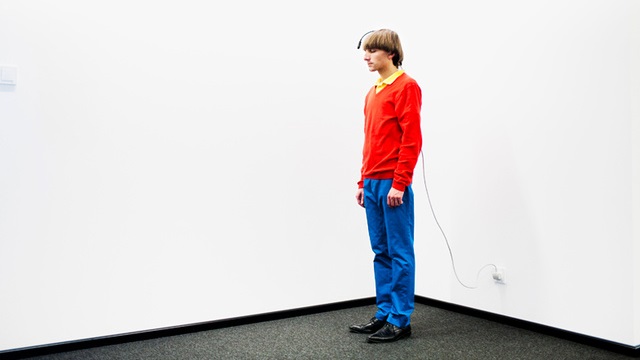
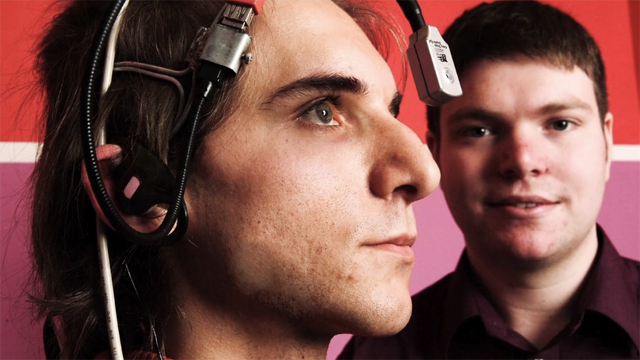
harbisson_cyborgThose who follow tech news are probably familiar with the name Neil Harbisson. As a futurist, and someone who was born with a condition known as achromatopsia – which means he sees everything in shades in gray – he spent much of his life looking to augment himself so that he could see what other people see. And roughly ten years ago, he succeeded by creating a device known as the “eyeborg”.

Also known as a cybernetic “third eye”, this device – which is permanently integrated to his person – allows Harbisson to “hear” colors by translating the visual information into specific sounds. After years of use, he is able to discern different colors based on their sounds with ease. But what’s especially interesting about this device is that it makes Harbisson a bona fide cyborg.

neil_harbisson1What’s more, Neil Harbisson is now the first person on the planet to have a passport photo that shows his cyborg nature. After a long battle with UK authorities, his passport now features a photo of him, eyeborg and all. And now, he is looking to help other cyborgs like himself gain more rights, mainly because of the difficulties such people have been facing in recent years.

Consider the case of Steve Mann, the man recognized as the “father of wearable computers”. Since the 1970’s, he has been working towards the creation of fully-portable, ergonomic computers that people can carry with them wherever they go. The result of this was the EyeTap, a wearable computer he invented in 1998 and then had grafted to his head.

steve-mann1And then in July of 2012, he was ejected from a McDonald’s in Paris after several staff members tried to forcibly remove the wearable device. And then in April of 2013, a bar in Seattle banned patrons from using Google Glass, declaring that “ass-kickings will be encouraged for violators.” Other businesses across the world have followed, fearing that people wearing these devices may be taking photos or video and posting it to the internet.

Essentially, Harbisson believes that recent technological advances mean there will be a rapid growth in the number of people with cybernetic implants in the near future, implants that can will either assist them or give them enhanced abilities. As he put it in a recent interview:

Our instincts and our bodies will change. When you incorporate technology into the body, the body will need to change to accommodate; it modifies and adapts to new inputs. How we adapt to this change will be very interesting.

cyborg_foundationOther human cyborgs include Stelarc, a performance artist who has implanted a hearing ear on his forearm; Kevin Warwick, the “world’s first human cyborg” who has an RFID chip embedded beneath his skin, allowing him to control devices such as lights, doors and heaters; and “DIY cyborg” Tim Cannon, who has a self-administered body-monitoring device in his arm.

And though they are still in the minority, the number of people who live with integrated electronic or bionic devices is growing. In order to ensure that the transition Harbisson foresees is accomplished as painlessly as possible, he created the Cyborg Foundation in 2010. According to their website, the organization’s mission statement is to:

help humans become cyborgs, to promote the use of cybernetics as part of the human body and to defend cyborg rights [whilst] encouraging people to create their own sensory extensions.

transhumanism1And as mind-controlled prosthetics, implants, and other devices meant to augment a person’s senses, faculties, and ambulatory ability are introduced, we can expect people to begin to actively integrate them into their bodies. Beyond correcting for injuries or disabilities, the increasing availability of such technology is also likely to draw people looking to enhance their natural abilities.

In short, the future is likely to be a place in which cyborgs are a common features of our society. The size and shape of that society is difficult to predict, but given that its existence is all but certain, we as individuals need to be able to address it. Not only is it an issue of tolerance, there’s also the need for informed decision-making when it comes whether or not individuals need to make cybernetic enhancements a part of their lives.

Basically, there are some tough issues that need to be considered as we make our way into the future. And having a forum where they can be discussed in a civilized fashion may be the only recourse to a world permeated by prejudice and intolerance on the one hand, and runaway augmentation on the other.

johnnymnemonic04In the meantime, it might not be too soon to look into introducing some regulations, just to make sure we don’t have any yahoos turning themselves into killer cyborgs in the near future! *PS: Bonus points for anyone who can identify which movie the photo above is taken from…

Sources: IO9.com, dezeen.com, eyeborg.wix.com

The Future is Here: Smarty Rings

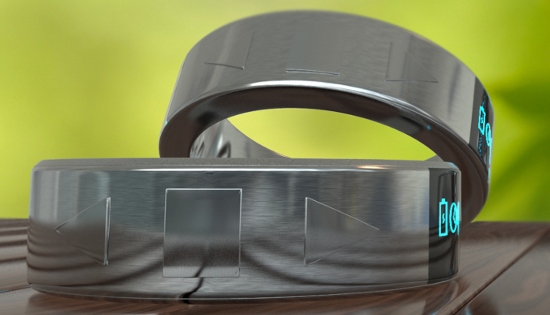
smarty-ringsOkay, its not exactly here yet, but the implications of this idea could be a game changer. It’s known as the Smarty Ring, a crowdfunded idea being advertised on Indiegogo by a group of inventors in Chennai, India. And at its core is a waterproof, stainless steel band that will feature an LED screen and connect to your phone via Bluetooth 4.0 wireless technology.

For some time now, the Chennai-based group has been the source of some controversy, due mainly to the fact that they have no working prototypes of the ring, but also because they have not identified themselves beyond giving their location. They also freely admit that the photos of the Smarty Ring on Indiegogo and on their website are photoshopped.

smarty-rings1Surprisingly, this has not prevented them from being able to mount their campaign to raise money for its development. While the crowdfunding site Kickstarter has rules requiring creators to be clear about the state of a project’s development and show a prototype “demonstrating the product’s current functionality,” Indiegogo has no such rules.

However, this has not stopped their campaign – which officially closed at 11:00 am ET on Dec.11th, 2013 – from raising a total of $299,349 from their original goal of $40,000. Numerous blueprints of what the watch would look like, including detailed images of its electronics, are also available on their campaign page. What’s more, the group is still taking advanced orders and offering discount pricing to anyone who orders one before Dec.30th.

smarty-rings3Also, the group has become much less clandestine since the campaign closed. In response to questions, group spokesperson Karthik said the project was founded by Chennai-based mechatronics engineer Ashok Kumar, and that their team of inventors includes electronic and computer engineers with experience in robotics and nanotechnology.

Ultimately, the goal of the project was to create a high-tech gadget that would also double as “high-end fashion jewelry,” according to an email to CBC News from the team’s marketing director, Karthik, who did not give his last name. The group also claims on their website that the average smartphone user checks their phone every six minutes, and promises to make that unnecessary, saving time and the battery life of the smartphone.

smarty-rings4According to the The Smarty Ring’s site, the features are to include:

  • A clock with stop watch, timer and alarm
  • Notifications of calls, text and email messages, and social networking updates from services such as Facebook, Twitter, and Skype
  • Phone controls that let users accept or reject incoming calls, make outgoing calls to preset numbers, and control music or the phone’s camera
  • A phone tracking feature that beeps when your phone gets more than nine meters away from you
  • The ring charges wirelessly and its creators guarantee 24 hours of battery life

The Smarty Ring team says the retail price for the device will be $275, but backers and people who preorder before Dec.30th will be able to get one at the reduced price of $175. They estimate that delivery will begin sometime in April of 2014. They are also offering cheaper versions that include only the tracking feature or the clock and tracking features.

smarty-rings5Needless to say, if this is a scam, it is clearly a well-thought out and elaborate one. Not only is the idea of a smart ring that can connect wirelessly to other devices and do the job of a smartphone entirely within the bounds of current and developing technology, its a very cool idea. But if it is in fact real, its realization could mean a new wave of innovation and design for the smart devices market.

Currently, designers and developers are working towards the creation of smartwatches, smartphones, tablets and phablets that are not only smaller and much thinner, but also flexible and transparent. An even smaller device, such as a ring or bracelet, that can do the same job but be far more ergonomic, may be just what the market ordered!

And in the meantime, be sure to enjoy this promotional video from the Smarty Ring website. And be sure to check out their website and determine for yourself if they are liars, inventors, or just plain dreamers:


Sources:
cbc.ca, indiegogo.com