The Future is… Worms: Life Extension and Computer-Simulations

genetic_circuitPost-mortality is considered by most to be an intrinsic part of the so-called Technological Singularity. For centuries, improvements in medicine, nutrition and health have led to improved life expectancy. And in an age where so much more is possible – thanks to cybernetics, bio, nano, and medical advances – it stands to reason that people will alter their physique in order slow the onset of age and extend their lives even more.

And as research continues, new and exciting finds are being made that would seem to indicate that this future may be just around the corner. And at the heart of it may be a series of experiments involving worms. At the Buck Institute for Research and Aging in California, researchers have been tweaking longevity-related genes in nematode worms in order to amplify their lifespans.

immortal_wormsAnd the latest results caught even the researchers by surprise. By triggering mutations in two pathways known for lifespan extension – mutations that inhibit key molecules involved in insulin signaling (IIS) and the nutrient signaling pathway Target of Rapamycin (TOR) – they created an unexpected feedback effect that amplified the lifespan of the worms by a factor of five.

Ordinarily, a tweak to the TOR pathway results in a 30% lifespan extension in C. Elegans worms, while mutations in IIS (Daf-2) results in a doubling of lifespan. By combining the mutations, the researchers were expecting something around a 130% extension to lifespan. Instead, the worms lived the equivalent of about 400 to 500 human years.

antiagingAs Doctor Pankaj Kapahi said in an official statement:

Instead, what we have here is a synergistic five-fold increase in lifespan. The two mutations set off a positive feedback loop in specific tissues that amplified lifespan. These results now show that combining mutants can lead to radical lifespan extension — at least in simple organisms like the nematode worm.

The positive feedback loop, say the researchers, originates in the germline tissue of worms – a sequence of reproductive cells that may be passed onto successive generations. This may be where the interactions between the two mutations are integrated; and if correct, might apply to the pathways of more complex organisms. Towards that end, Kapahi and his team are looking to perform similar experiments in mice.
DNA_antiagingBut long-term, Kapahi says that a similar technique could be used to produce therapies for aging in humans. It’s unlikely that it would result in the dramatic increase to lifespan seen in worms, but it could be significant nonetheless. For example, the research could help explain why scientists are having a difficult time identifying single genes responsible for the long lives experienced by human centenarians:

In the early years, cancer researchers focused on mutations in single genes, but then it became apparent that different mutations in a class of genes were driving the disease process. The same thing is likely happening in aging. It’s quite probable that interactions between genes are critical in those fortunate enough to live very long, healthy lives.

A second worm-related story comes from the OpenWorm project, an international open source project dedicated to the creation of a bottom-up computer model of a millimeter-sized nemotode. As one of the simplest known multicellular life forms on Earth, it is considered a natural starting point for creating computer-simulated models of organic beings.
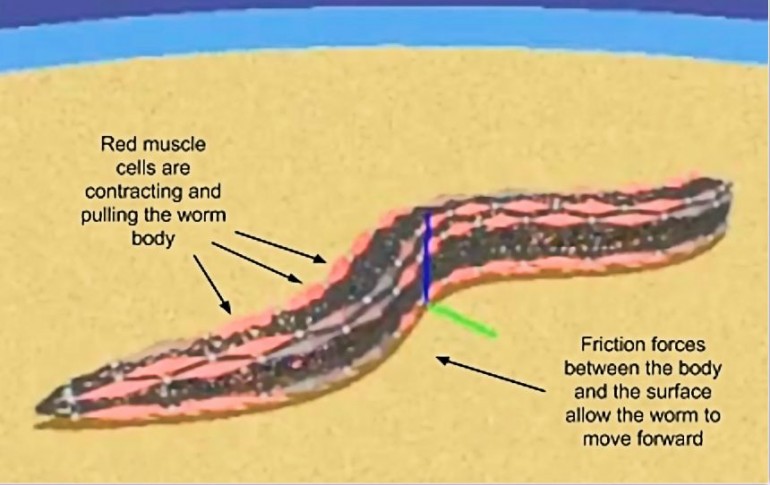
openworm-nematode-roundworm-simulation-artificial-lifeIn an important step forward, OpenWorm researchers have completed the simulation of the nematode’s 959 cells, 302 neurons, and 95 muscle cells and their worm is wriggling around in fine form. However, despite this basic simplicity, the nematode is not without without its share of complex behaviors, such as feeding, reproducing, and avoiding being eaten.

To model the complex behavior of this organism, the OpenWorm collaboration (which began in May 2013) is developing a bottom-up description. This involves making models of the individual worm cells and their interactions, based on their observed functionality in the real-world nematodes. Their hope is that realistic behavior will emerge if the individual cells act on each other as they do in the real organism.
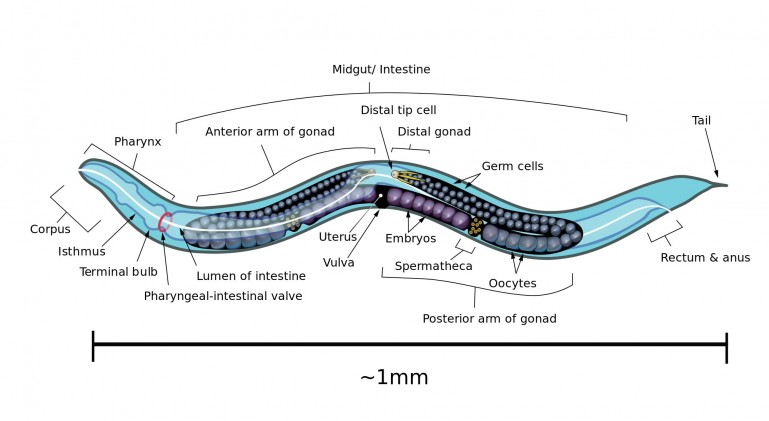
openworm-nematode-roundworm-simulation-artificial-life-0Fortunately, we know a lot about these nematodes. The complete cellular structure is known, as well as rather comprehensive information concerning the behavior of the thing in reaction to its environment. Included in our knowledge is the complete connectome, a comprehensive map of neural connections (synapses) in the worm’s nervous system.

The big question is, assuming that the behavior of the simulated worms continues to agree with the real thing, at what stage might it be reasonable to call it a living organism? The usual definition of living organisms is behavioral, that they extract usable energy from their environment, maintain homeostasis, possess a capacity to grow, respond to stimuli, reproduce, and adapt to their environment in successive generations.

openworm-nematode1If the simulation exhibits these behaviors, combined with realistic responses to its external environment, should we consider it to be alive? And just as importantly, what tests would be considered to test such a hypothesis? One possibility is an altered version of the Turing test – Alan Turing’s proposed idea for testing whether or not a computer could be called sentient.

In the Turing test, a computer is considered sentient and sapient if it can simulate the responses of a conscious sentient being so that an auditor can’t tell the difference. A modified Turing test might say that a simulated organism is alive if a skeptical biologist cannot, after thorough study of the simulation, identify a behavior that argues against the organism being alive.

openworm-nematode2And of course, this raises an even larger questions. For one, is humanity on the verge of creating “artificial life”? And what, if anything, does that really look like? Could it just as easily be in the form of computer simulations as anthropomorphic robots and biomachinery? And if the answer to any of these questions is yes, then what exactly does that say about our preconceived notions about what life is?

If humanity is indeed moving into an age of “artificial life”, and from several different directions, it is probably time that we figure out what differentiates the living from the nonliving. Structure? Behavior? DNA? Local reduction of entropy? The good news is that we don’t have to answer that question right away. Chances are, we wouldn’t be able to at any rate.
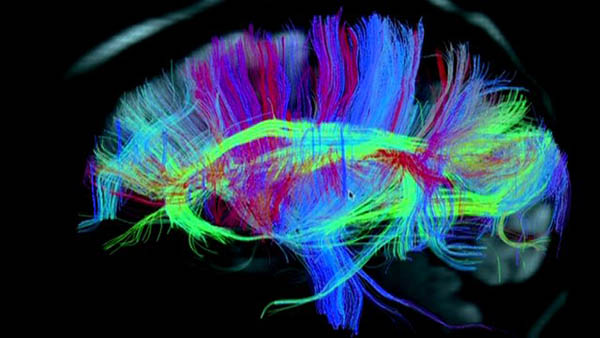
Brain-ScanAnd though it might not seem apparent, there is a connection between the former and latter story here. In addition to being able to prolong life through genetic engineering, the ability to simulate consciousness through computer-generated constructs might just prove a way to cheat death in the future. If complex life forms and connectomes (like that involved in the human brain) can be simulated, then people may be able to transfer their neural patterns before death and live on in simulated form indefinitely.

So… anti-aging, artificial life forms, and the potential for living indefinitely. And to think that it all begins with the simplest multicellular life form on Earth – the nemotode worm. But then again, all life – nay, all of existence – depends upon the most simple of interactions, which in turn give rise to more complex behaviors and organisms. Where else would we expect the next leap in biotechnological evolution to come from?

And in the meantime, be sure to enjoy this video of the OpenWorm’s simulated nemotode in action


Sources:
IO9, cell.com, gizmag, openworm

Year-End Health News: From Cancer Prevention to Anti-Aging

medical technology The year of 2013 ended with a bang for the field of health technology. And in my haste to cover as many stories as I could before the year ended, there were some rather interesting news developments which I unfortunately overlooked. But with the New Year just beginning, there is still plenty of time to look back and acknowledge these developments, which will no doubt lead to more in 2014.

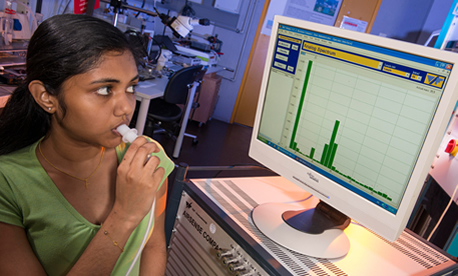
The first comes from the UK, where the ongoing fight against cancer has entered a new phase. For years, researchers have been developing various breathalyzer devices to help detect cancer in its early phases. And now, a team from the University of Huddersfield plans to introduce one such cancer-detecting breathalyser (known as the RTube) into pharmacies.

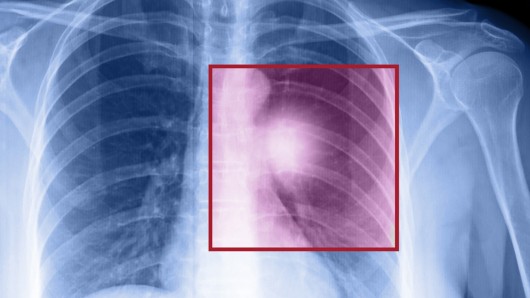
lung-cancer-xrayAccording to Dr Rachel Airley, the lead researcher of the Huddersfield team, these molecules – which consist of genes, proteins, fragments of cells, secretions and chemicals produced by the metabolism of living tissue with the disease – form a kind of chemical and biological signature. Using breath testing devices like the RTube, Dr Airley developed a project to define a lung cancer “biomarker signature” that is detectable in breath.

According to Dr Airley:

When you get certain chemicals in someone’s breath, that can be a sign that there is early malignancy. We are looking to be able to distinguish between patients with early lung cancer and patients who have maybe got bronchitis, emphysema or non-malignant smoking related disease… or who have maybe just got a cough.

cancer_breathalyserThe goal of the project is to validate the signature in a large number of patients to ensure it can reliably distinguish between lung cancer and non-cancerous lung disease. Dr. Airley told us that this will require tracking the progress of patients for up to five years to see if the disease develops and can be linked back to a signature picked up in the patient’s breath at the beginning of the project.

So far, the project has secured £105,000 (US$170,000) in funding from the SG Court Pharmacy Group with the University of Huddersfield providing matching funding. The SG also operates the chain of pharmacies in the South East of England where the initial trials of the breathalyzer technology will be carried out.

The researchers predict that people visiting their local pharmacy for medication or advice to help them quite smoking will be invited to take a quick test, with the goal of catching the disease before the patients start to experience symptoms. Once symptoms present themselves, the disease is usually at an advanced stage and it is often too late for effective treatment.

cancer_cellDr Airley stresses that the trial is to test the feasibility of the pharmacy environment for such a test and to ensure the quality of the test samples obtained in this setting are good enough to pick up the signature:

There are 12,000 community pharmacies in Britain and there is a big move for them to get involved in primary diagnostics, because people visit their pharmacies not just when they are ill but when they are well. A pharmacy is a lot less scary than a doctor’s surgery.

Dr Airley also says her team is about to start collecting breath samples from healthy volunteers and patients with known disease as a reference point and hope to start the pharmacy trials within two years. If all goes well, she says it will be at least five years before the test is widely available.

max_plank_testThe next comes from Germany, where researchers have created a test that may help doctors predict one of the most severe side effects of antidepressants: treatment-emergent suicidal ideation (TESI). The condition is estimated to affect between four and 14 percent of patients, who typically present symptoms of TESI in the first weeks of treatment or following dosage adjustments.

So far doctors haven’t been able to find the indicators that could predict which patients are more likely to develop TESI, and finding the right medication and testing for side-effects is often a matter of simple trial and error. But a new test based on research carried out by the Max Planck Institute of Psychiatry in Munich, Germany, could change all that.

genetic_circuitThe researchers carried out genome-wide association studies on 397 patients, aged 18 to 75, who were hospitalized for depression, but were not experiencing suicidal thoughts at the time they began treatment. During the study, a reported 8.1 percent of patients developed TESI, and 59 percent of those developed it within the first two weeks of treatment.

To arrive at a list of reliable predictors, the team genotyped the whole group and then compared patients who developed TESI with those who didn’t. Ultimately, they found a subset of 79 genetic variants associated with the risk group. They then conducted an independent analysis of a larger sample group of in-patients suffering from depression and found that 90 percent of the patients were shown to have these markers.

antidepressantsIn short, this test has found that the most dangerous side-effect of antidepressant use is genetic in nature, and can therefore be predicted ahead of time. In addition, the research shed new light on the age of those affected by TESI. Prior to discovering that all age groups in the study were at risk, the assumption had been that under-25s were more at risk, leading to the FDA to begin issuing warnings by 2005.

According to some experts, this warning has had the effect of reducing the prescription of antidepressants when treating depression. In other words, patients who needed treatment were unable to get it, out of fear that it might make things worse. This situation could now be reversed that doctors can avail themselves of this new assessment tool based on the research.

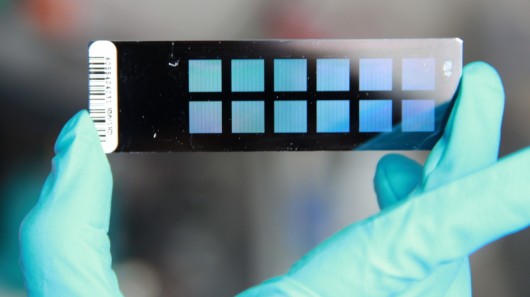
DNA-MicroarrayThe laboratory-developed test, featuring a DNA microarray (chip), is being launched immediately by US company Sundance Diagnostics, ahead of submission to the FDA for market clearance. As Sundance CEO Kim Bechthold said in a recent interview:

A DNA microarray is a small solid support, usually a membrane or glass slide, on which sequences of DNA are fixed in an orderly arrangement. It is used for rapid surveys of the presence of many genes simultaneously, as the sequences contained on a single microarray can number in the thousands.

Ultimately, according to Bechthold, the aim here is to assist physicians in significantly reducing the risk of suicide in antidepressant use, and also to provide patients and families with valuable personal information to use with their doctors in weighing the risks and benefits of the medications.

Wow! From detecting cancer to preventing suicides, the New Year is looking bright indeed! Stay tuned for good news from the field of future medicine!

Sources: gizmag.com, hud.ac.uk, (2), mpg.de

Biggest Scientific Breakthroughs of 2013

center_universe2The new year is literally right around the corner, folks. And I thought what better way to celebrate 2013 than by acknowledging its many scientific breakthroughs. And there were so many to be had – ranging in fields from bioresearch and medicine, space and extra-terrestrial exploration, computing and robotics, and biology and anthropology – that I couldn’t possibly do them all justice.

Luckily, I have found a lovely, condensed list which managed to capture what are arguably the biggest hits of the year. Many of these were ones I managed to write about as they were happening, and many were not. But that’s what’s good about retrospectives, they make us take account of things we missed and what we might like to catch up on. And of course, I threw in a few stories that weren’t included, but which I felt belonged.

So without further ado, here are the top 12 biggest breakthroughs of 2013:

1. Voyager 1 Leaves the Solar System:

For 36 years, NASA’s Voyager 1 spacecraft has travelling father and farther away from Earth, often at speeds approaching 18 km (11 miles) per second. At a pace like that, scientists knew Voyager would sooner or later breach the fringe of the heliosphere that surrounds and defines our solar neighborhood and enter the bosom of our Milky Way Galaxy. But when it would finally break that threshold was a question no one could answer. And after months of uncertainty, NASA finally announced in September that the space probe had done it. As Don Gurnett, lead author of the paper announcing Voyager’s departure put it: “Voyager 1 is the first human-made object to make it into interstellar space… we’re actually out there.”

voyager12. The Milky Way is Filled with Habitable Exoplanets:

After years of planet hunting, scientists were able to determine from all the data gathered by the Kepler space probe that there could be as many as 2 billion potentially habitable exoplanets in our galaxy. This is the equivalent of roughly 22% of the Milky Way Galaxy, with the nearest being just 12 light years away (Tau Ceti). The astronomers’ results, which were published in October of 2013, showed that roughly one in five sunlike stars harbor Earth-size planets orbiting in their habitable zones, much higher than previously thought.

exoplanets23. First Brain to Brain Interface:

In February of 2013, scientists announced that they had successfully established an electronic link between the brains of two rats. Even when the animals were separated by thousands of kms distance, signals from the mind of one could help the second solve basic puzzles in real time. By July, a connection was made between the minds of a human and a rat. And by August, two researchers at the Washington University in St. Louis were able to demonstrate that signals could be transmitted between two human brains, effectively making brain-to-brain interfacing (BBI), and not just brain computer interfacing (BCI) truly possible.

brain-to-brain-interfacing4. Long-Lost Continent Discovered:

In February of this year, geologists from the University of Oslo reported that a small precambrian continent known as Mauritia had been found. At one time, this continent resided between Madagascar and India, but was then pushed beneath the ocean by a multi-million-year breakup spurred by tectonic rifts and a yawning sea-floor. But now, volcanic activity has driven the remnants of the long-lost continent right through to the Earth’s surface.

Not only is this an incredibly rare find, the arrival of this continent to the surface has given geologists a chance to study lava sands and minerals which are millions and even billions of years old. In addition to the volcanic lava sands, the majority of which are around 9 million years old, the Oslo team also found deposits of zircon xenocryst that were anywhere from 660 million to 1.97 billion years old. Studies of these and the land mass will help us learn more about Earth’s deep past.

mauritia5. Cure for HIV Found!:

For decades, medical researchers and scientists have been looking to create a vaccine that could prevent one from being infected with HIV. But in 2013, they not developed several vaccines that demonstrated this ability, but went a step further and found several potential cures. The first bit of news came in March, when researchers at Caltech demonstrated using HIV antibodies and an approach known as Vectored ImmunoProphylaxis (VIP) that it was possible to block the virus.

Then came the SAV001 vaccine from the Schulich School of Medicine & Dentistry at Western University in London, Ontario, which aced clinical trials. This was punctuated by researchers at the University of Illinois’, who in May used the “Blue Waters” supercomputer to developed a new series of computer models to get at the heart of the virus.

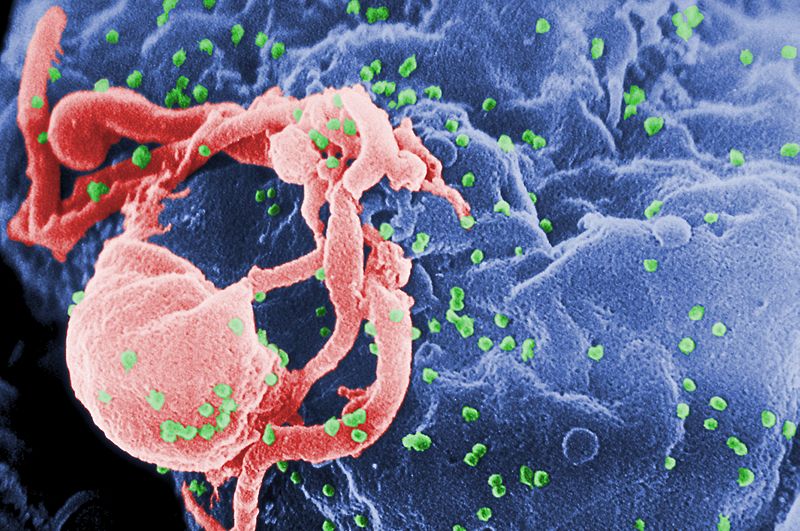
HIV-budding-ColorBut even more impressive was the range of potential cures that were developed. The first came in March, where researchers at the Washington University School of Medicine in St. Louis that a solution of bee venom and nanoparticles was capable of killing off the virus, but leaving surrounding tissue unharmed. The second came in the same month, when doctors from Johns Hopkins University Medical School were able to cure a child of HIV thanks to the very early use of antiretroviral therapy (ART).

And in September, two major developments occurred. The first came from Rutgers New Jersey Medical School, where researchers showed that an antiviral foot cream called Ciclopirox was capable of eradicating infectious HIV when applied to cell cultures of the virus. The second came from the Vaccine and Gene Therapy Institute at the Oregon Health and Science University (OHSU), where researchers developed a vaccine that was also able to cure HIV in about 50% of test subjects. Taken together, these developments may signal the beginning of the end of the HIV pandemic.

hiv-aids-vaccine6. Newly Discovered Skulls Alter Thoughts on Human Evolution:

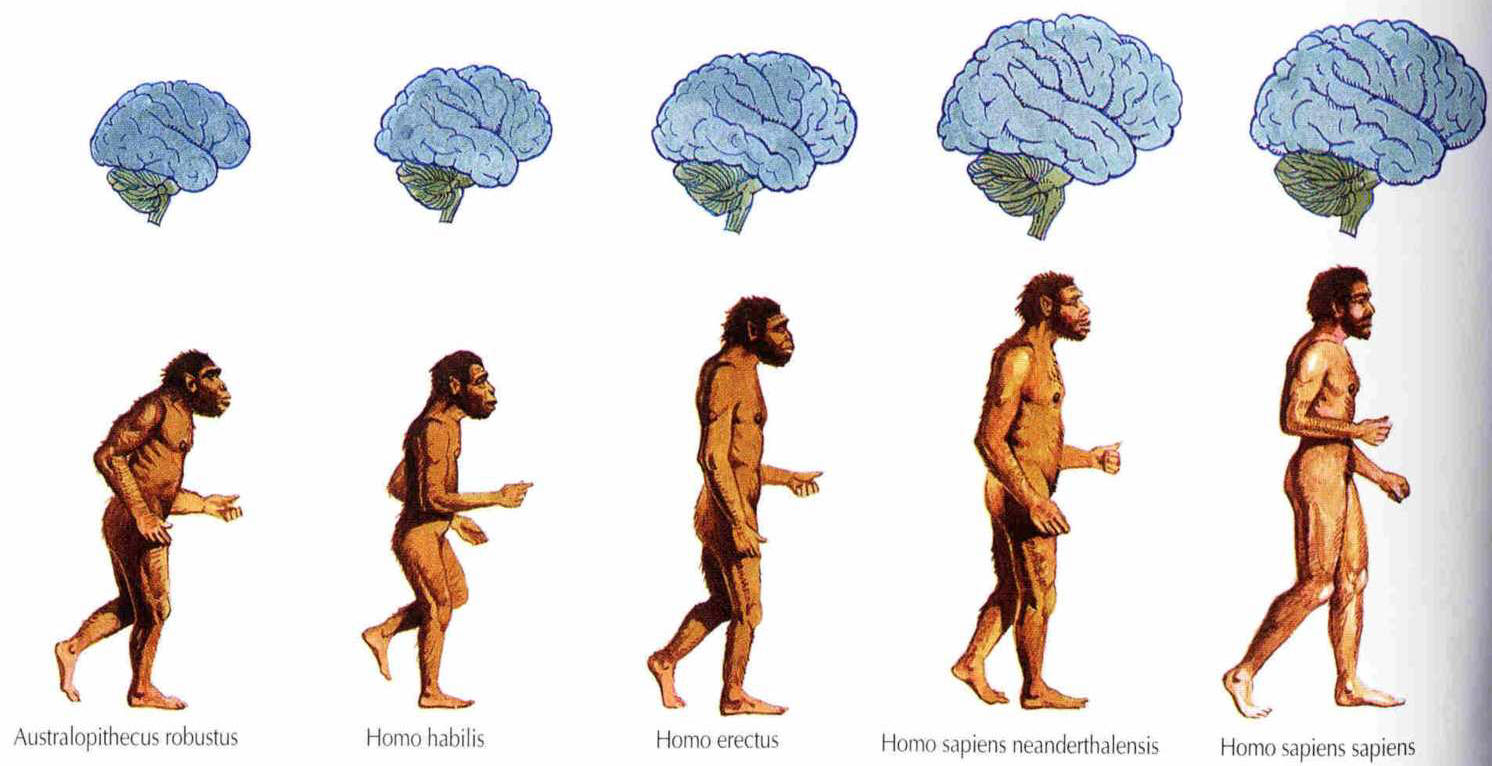
The discovery of an incredibly well-preserved skull from Dmanisi, Georgia has made anthropologists rethink human evolution. This 1.8 million-year old skull has basically suggested that our evolutionary tree may have fewer branches than previously thought. Compared with other skulls discovered nearby, it suggests that the earliest known members of the Homo genus (H. habilis, H.rudolfensis and H. erectus) may not have been distinct, coexisting species, but instead were part of a single, evolving lineage that eventually gave rise to modern humans.

humanEvolution7. Curiosity Confirms Signs of Life on Mars:

Over the past two years, the Curiosity and Opportunity rovers have provided a seemingly endless stream of scientific revelations. But in March of 2013, NASA scientists released perhaps the most compelling evidence to date that the Red Planet was once capable of harboring life. This consisted of drilling samples out of the sedimentary rock in a river bed in the area known as Yellowknife Bay.

Using its battery of onboard instruments, NASA scientists were able to detect some of the critical elements required for life – including sulfur, nitrogen, hydrogen, oxygen, phosphorus, and carbon. The rover is currently on a trek to its primary scientific target – a three-mile-high peak at the center of Gale Crater named Mount Sharp – where it will attempt to further reinforce its findings.

mt_sharp_space8. Scientists Turn Brain Matter Invisible:

Since its inception as a science, neuroanatomy – the study of the brain’s functions and makeup – has been hampered by the fact that the brain is composed of “grey matter”. For one, microscopes cannot look beyond a millimeter into biological matter before images in the viewfinder get blurry. And the common technique of “sectioning” – where a brain is frozen in liquid nitrogen and then sliced into thin sheets for analysis – results in  tissue being deformed, connections being severed, and information being lost.

But a new technique, known as CLARITY, works by stripping away all of a tissue’s light-scattering lipids, while leaving all of its significant structures – i.e. neurons, synapses, proteins and DNA – intact and in place. Given that this solution will allow researchers to study samples of the brains without having to cut them up, it is already being hailed as one of the most important advances for neuroanatomy in decades.


9. Scientists Detect Neutrinos from Another Galaxy:

In April of this year, physicists working at the IceCube South Pole Observatory took part in an expedition which drilled a hole some 2.4 km (1.5 mile) hole deep into an Antarctic glacier. At the bottom of this hole, they managed to capture 28 neutrinos, a mysterious and extremely powerful subatomic particle that can pass straight through solid matter. But the real kicker was the fact that these particles likely originated from beyond our solar system – and possibly even our galaxy.

That was impressive in and off itself, but was made even more so when it was learned that these particular neutrinos are over a billion times more powerful than the ones originating from our sun. So whatever created them would have had to have been cataclysmicly powerful – such as a supernova explosion. This find, combined with the detection technique used to find them, has ushered in a new age of astronomy.

antarctic_expedition

10. Human Cloning Becomes a Reality:

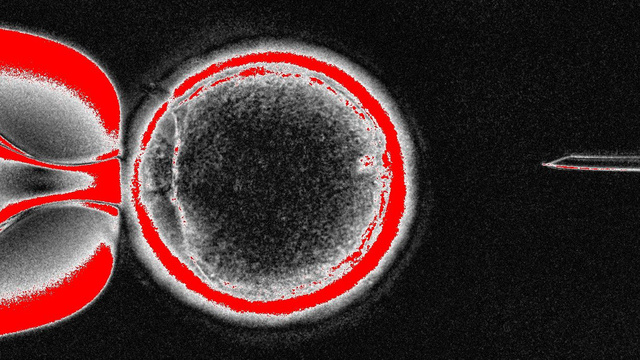
Ever since Dolly the sheep was cloned via somatic cell nuclear transfer, scientists have wondered if a similar technique could be used to produce human embryonic stem cells. And as of May, researchers at Oregon Health and Science University managed to do just that. This development is not only a step toward developing replacement tissue to treat diseases, but one that might also hasten the day when it will be possible to create cloned, human babies.

cloning

11. World’s First Lab Grown Meat:

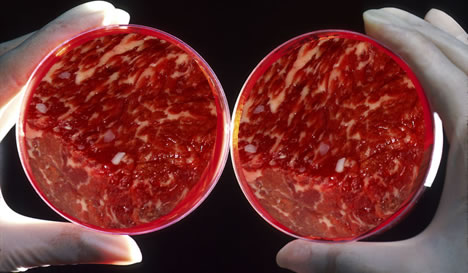
In May of this year, after years of research and hundred of thousands of dollars invested, researchers at the University of Maastricht in the Netherlands created the world’s first in vitro burgers. The burgers were fashioned from stem cells taken from a cow’s neck which were placed in growth medium, grown into strips of muscle tissue, and then assembled into a burger. This development may prove to be a viable solution to world hunger, especially in the coming decades as the world’s population increases by several billion.

labmeat112. The Amplituhedron Discovered:

If 2012 will be remembered as the year that the Higgs Boson was finally discovered, 2013 will forever be remembered as the year of the Amplituhedron. After many decades of trying to reformulate quantum field theory to account for gravity, scientists at Harvard University discovered of a jewel-like geometric object that they believe will not only simplify quantum science, but forever alters our understanding of the universe.

This geometric shape, which is a representation of the coherent mathematical structure behind quantum field theory, has simplified scientists’ notions of the universe by postulating that space and time are not fundamental components of reality, but merely consequences of the”jewel’s” geometry. By removing locality and unitarity, this discovery may finally lead to an explanation as to how all the fundamental forces of the universe coexist.

amplutihedron_spanThese forces are weak nuclear forces, strong nuclear forces, electromagnetism and gravity. For decades, scientists have been forced to treat them according to separate principles – using Quantum Field Theory to explain the first three, and General Relativity to explain gravity. But now, a Grand Unifying Theory or Theory of Everything may actually be possible.

13. Bioprinting Explodes:

The year of 2013 was also a boon year for bioprinting – namely, using the technology of additive manufacturing to create samples of living tissue. This began in earnest in February, where a team of researchers at Heriot-Watt University in Scotland used a new printing technique to deposit live embryonic stem cells onto a surface in a specific pattern. Using this process, they were able to create entire cultures of tissue which could be morphed into specific types of tissue.

Later that month, researchers at Cornell University used a technique known as “high-fidelity tissue engineering” – which involved using artificial living cells deposited by a 3-D printer over shaped cow cartilage – to create a replacement human ear. This was followed some months later in April when a San Diego-based firm named Organova announced that they were able to create samples of liver cells using 3D printing technology.


And then in August, researchers at Huazhong University of Science and Technology were able to use the same technique create the world first, living kidneys. All of this is pointing the way towards a future where human body parts can be created simply by culturing cells from a donor’s DNA, and replacement organs can be synthetically created, revolutionizing medicine forever.

14. Bionic Machinery Expands:

If you’re a science buff, or someone who has had to go through life with a physical disability, 2013 was also a very big year for the field of bionic machinery. This consisted not only of machinery that could meld with the human body in order to perform fully-human tasks – thus restoring ambulatory ability to people dealing with disabling injuries or diseases – but also biomimetic machinery.

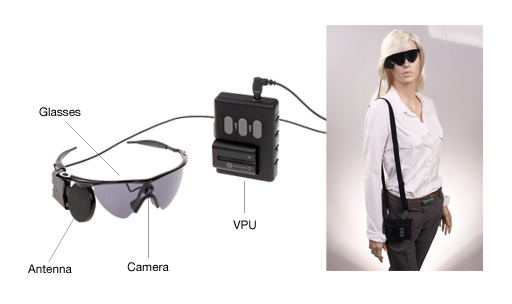
ArgusIIThe first took place in February, where researchers from the University of of Tübingen unveiled the world’s first high-resolution, user-configurable bionic eye. Known officially as the “Alpha IMS retinal prosthesis”, the device helps to restore vision by converted light into electrical signals your retina and then transmitted to the brain via the optic nerve. This was followed in August by the Argus II “retinal prosthetic system” being approved by the FDA, after 20 years of research, for distribution in the US.

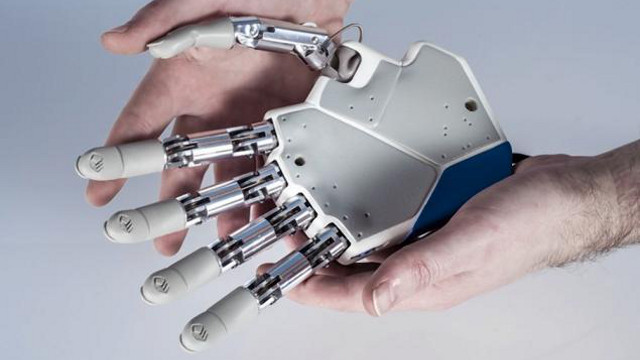
Later that same month, the Ecole Polytechnique Federale de Lausanne in Switzerland unveiled the world’s first sensory prosthetic hand. Whereas existing mind-controlled prosthetic devices used nerve signals from the user to control the movements of the limb, this new device sends electrostimulus to the user’s nerves to simulate the sensation of touch.

prosthetic_originalThen in April, the University of Georgia announced that it had created a brand of “smart skin” – a transparent, flexible film that uses 8000 touch-sensitive transistors – that is just as sensitive as the real thing. In July, researchers in Israel took this a step further, showing how a gold-polyester nanomaterial would be ideal as a material for artificial skin, since it experiences changes in conductivity as it is bent.

15. 400,000 Year-Old DNA Confuses Humanity’s Origin Story:

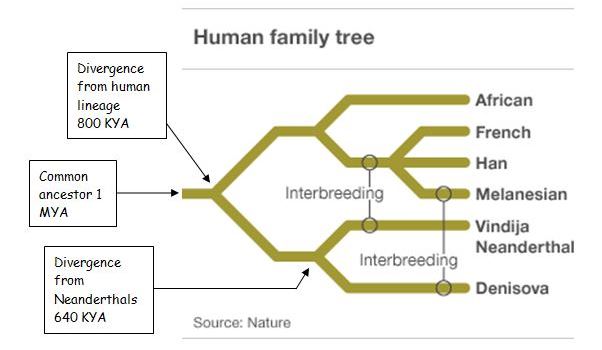
Another discovery made this year has forced anthropologist to rethink human evolution. This occurred in Spain early in December, where a team from the Max Planck Institute for Evolutionary Anthropology in Leipzig, Germany recovered a 400,000 year-old thigh bone. Initially thought to be a forerunner of the Neanderthal branch of hominids, it was later learned that it belonged to the little-understood branch of hominins known as Denisovans.

Human-evoThe discordant findings are leading anthropologists to reconsider the last several hundred thousand years of human evolution. In short, it indicates that there may yet be many extinct human populations that scientists have yet to discover. What’s more, there DNA may prove to be part of modern humans genetic makeup, as interbreeding is a possibility.

The Future of Medicine: Gene Therapy and Treatments

DNA-1Imagine a world where all known diseases were curable, where health problems could be treated in a non-invasive manner, and life could be extended significantly? Thanks to ongoing research into the human genome, and treatments arising out of it, that day may be coming soon. That’s the idea behind gene therapy and pharmacoperones – two treatment procedures that may make disease obsolete in the near future.

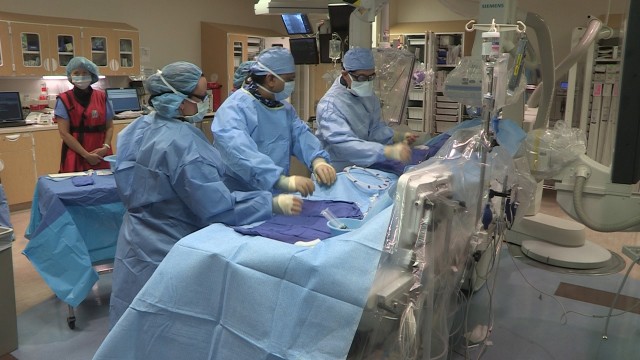
The first comes to us from the Utah School of Medicine, where researcher Amit Patel recently developed a non-invasive, naked DNA approach to deal with treating heart problems. His process was recently tested o Ernie Lively, an actor suffering from heart damage, who made a full recovered afterwards without ever having to go under the knife.

gene_therapyIn short, Patel’s method relies on a catheter, which he used to access the main cardiac vein (or coronary sinus), where a balloon is inflated to halt the flow of blood and isolate the area. A high dose of naked DNA, which codes for a protein called SDF-1, is then delivered. SDF-1, which stands for stromal cell-derived factor, is a potent attractant both for stem cells circulating in the bloodstream, and for those developing in the bone marrow.

Stromal cells, which manufacture SDF-1, are the creative force which knit together our fibrous connective tissues. The problem is they do not make enough of this SDF-1 under normal conditions, nor do specifically deliver it in just the right places for repair of a mature heart. By introducing a dose of these cells directly into the heart, Patel was able to give Lively what his heart needed, where it needed it.

gene_therapy1Compared to other gene therapies, the introduction of SDF-1 into cells was done without the assistance of a virus. These “viral vector” method have had trouble in the past due to the fact that after the virus helps target specific cells for treatment, the remnant viral components can draw unwanted attention from the immune system, leading to complications.

But of course, there is still much to be learned about the SDF-1 treatment and others like it before it can be considered a viable replacement for things like open-heart surgery. For one, the yield – the number or percentage of cells that take up the DNA – remains unknown. Neither are the precise mechanisms of uptake and integration within the cell known here.

Fortunately, a great deal of research is being done, particularly by neuroscientists who are looking to control brain cells through the use of raw DNA as well. Given time, additional research, and several clinical trials, a refined version of this process could be the cure for heart-related diseases, Alzheimer’s, and other disorders that are currently thought to be incurable, or require surgery.

pharmacoperones-protein-foldingAnother breakthrough treatment that is expected to revolutionize medicine comes in the form of pharmacoperones (aka. “protein chaperones”). a new field of drugs that have the ability to enter cells and fix misfolded proteins. These kind of mutations usually result in proteins becoming inactive; but in some cases, can lead to toxic functionality or even diseases.

Basically, proteins adopt their functional 3-D structure by folding linear chains of amino acids, and gene mutation can cause this folding process to go awry, resulting in “misfolding”. Up until recently, scientists believed these proteins were simply non-functional. But thanks to ongoing research, it is now known their inactivity is due to the cell’s quality control system misrouting them within the cell.

protein1Although this process has been observed under a microscope in recent years, a team led by Doctor P. Michael Conn while at Oregon Health & Science University (OHSU) was the first to demonstrate it in a living laboratory animal. The team was able to cure mice of a disease that makes the males unable to father offspring, and believe the technique will also work on human beings.

The team says neurodegenerative diseases, such as Alzheimer’s, Parkinson’s and Huntington’s, as well as certain types of diabetes, inherited cataracts and cystic fibrosis are just a few of the diseases that could potentially be cured using the new approach. Now working at the Texas Tech University Health Sciences Center (TTUHSC), Conn and his team are looking to conduct human trials.

DNA-molecule2One of the hallmarks of the coming age of science, technology and medicine is the idea that people will be living in post-mortality age, where all diseases and conditions are curable and life can be extended almost indefinitely. Might still sound like science fiction, but all of this research is indicative of the burgeoning trend where things that were once thought to be “treatable but not curable” is a thing of the past.

It’s an exciting time to be living in, almost as exciting as the world our children will be inhabiting – assuming things go according to plan. And in the meantime, check out this video of the SDF-1 gene therapy in action, courtesy of the University of Utah School of Medicine:


Sources: extremetech.com, gizmag.com

Coming Soon: A Universal Flu Vaccine?

flu_vaccineScientists have been making great strides in coming up with treatments and cures for illnesses that were previously thought to be incurable. While some of these are aimed at eliminating pandemics that have taken millions of lives worldwide (such as HIV/AIDS) others are aimed at treating the more common – but no less infectious – viruses, like the common flu.

When it comes to the latter, the difficulty is not so much in creating a cure, as it is a cure all. The flu is a virus that is constantly evolving, changing with the seasons and with each host. This requires medical researchers to constantly develop new vaccines year after year to address the latest strain, as well as specialized vaccines to address different  types – i.e. H1N1, swine, avian bird.

flu_vaccine1Luckily, a research team at Imperial College London say they have made a “blueprint” for a universal flu vaccine. Their report appeared in a recent issue of Nature Medicine. In their report, they specified that the key to creating a universal vaccine lies in targeting the core of the virus, rather than its ever-evolving DNA.

Just last year, researchers at the Friedrich-Loeffler Institute in Riems Island, Germany sought to create a similar vaccine that would target the virus’ RNA structure rather than the key proteins found in the DNA. By contrast, the Imperial researchers set about looking into T-cells, the crucial part of the immune system that is thought to be able to recognize proteins in the core.

2009_world_subdivisions_flu_pandemicTheir research began with a series of clinical examinations of the 2009 swine flu pandemic, which was produced by the combining of earlier strains of pig and bird flu. The team then compared levels of one kind of T-cells at the start of the pandemic with symptoms of flu in 342 staff and students at the university. They showed that the higher the levels of the T-cells a patient had, the milder their symptoms were.

Researchers then teased out the specific part of the immune system that offered some pandemic flu protection and which part of the virus it was attacking. from there, They began developing a vaccine that would trigger the production of these cells – known as CD8 T cells. These cells would attack the invading flu virus, ignoring the outer protein structure and focusing on the core which it had encountered before.

Influenza_virus_2008765Prof Ajit Lalvani, who led the study, told the BBC:

It’s a blueprint for a vaccine. We know the exact subgroup of the immune system and we’ve identified the key fragments in the internal core of the virus. These should be included in a vaccine. In truth, in this case it is about five years [away from a vaccine]. We have the know-how, we know what needs to be in the vaccine and we can just get on and do it.

The benefits of such a vaccine would be profound and obvious. While many of us consider the seasonal flu to be an inconvenience, it is important to note that it kills between 250,000 and 500,000 people worldwide each year. While this is a fraction of the total number of deaths attributed to AIDS (1.6 to 1.9 million in 2010, it is still a significant toll. What’s more, new pandemics have the potential to take doctors by surprise and kill large numbers of people.
t-cellHowever, the Imperial College researchers admit that it is generally harder to develop a T-cell vaccine than a traditional one designed to provoke an antibody response. The challenge will be to get a big enough of a T-cell response to offer protection and a response that will last. So while the blueprint is in place, medical researchers still have a long road ahead of them.

Prof John Oxford, of Queen Mary University of London, put it this way:

This sort of effect can’t be that powerful or we’d never have pandemics. It’s not going to solve all the problems of influenza, but could add to the range of vaccines. It’s going to be a long journey from this sort of paper to translating it into a vaccine that works.

AI-fightingfluWhat’s more, there are concerns that a T-cell vaccine would be limited when it comes to certain age groups. Jenner Institute at Oxford University, explains:

Live attenuated influenza vaccines which are given by nasal spray and will be used in children in the UK from this autumn are much better at increasing the number of influenza-specific T cells, but these vaccines only work in young children who haven’t yet had much exposure to influenza virus, so we need an alternative approach for adults.

Interestingly enough, this approach of stimulating the production of T-cells bears a striking resemblance to the work being done at the Vaccine and Gene Therapy Institute at OHSU, where researchers are working towards a vaccine that could also cure HIV. This research also appeared in Nature Medicine last month.

So not only could we be looking at a cure for both HIV and the flu in the near future, we could be looking at the containment of infectious viruses all over the world. As these two cases demonstrate, advances in medical science towards antivirals appear to be tied at the hip.

Sources: bbc.co.uk, gizmodo.com, nature.com

BIG News From Space: Alien Matter Found?

Alien OrganismsIts been an exciting 48 hours for the scientific community. It began when a team of British scientists floated a balloon up into the stratosphere, more than 25 km (16 miles) up, and when it came down they found it was carrying tiny organisms. The scientists claimed that there is no way that such organisms could have come from Earth and found their way into the stratosphere, so they must have come from space.

Specifically, they must have come from a comet, given their particular characteristics, and they could even be evidence that all life on Earth really did originate in the stars. This theory is known as Exogenesis (or Panspermia), and contends that this is how organisms are spread throughout the universe – spawning in certain environments, but flourishing on worlds where they are deposited and conditions are just right.

Alien Organisms1According to Professor Milton Wainwright of the Department of Molecular Biology and Biotechnology at the University of Sheffield, they are “about 95 percent convinced” of that fact, though he admits that it’s hard to be absolutely certainty. But apart from the height of the organisms, which would make it hard to imagine them being from Earth, Wainwright and his team also noted that they bear no physical signs of ever being earthbound.

As Wainwright said in the course of announcing the team’s findings:

There is no known mechanism by which these life forms can achieve that height. As far as we can tell from known physics, they must be incoming. The particles are very clean. They don’t have any dust attached to them, which again suggests they’re not coming to earth. Similarly, cosmic dust isn’t stuck to them, so we think they came from an aquatic environment, and the most obvious aquatic environment in space is a comet.

In addition, the science team ruled out the possibility that the particles were originally from Earth and were blasted into the stratosphere by a volcano, noting that it’s been too long since the last volcanic eruption on Earth for the particles to have maintained such a height. So the tentative conclusion remains, that the organisms were placed in orbit by a passing comet.
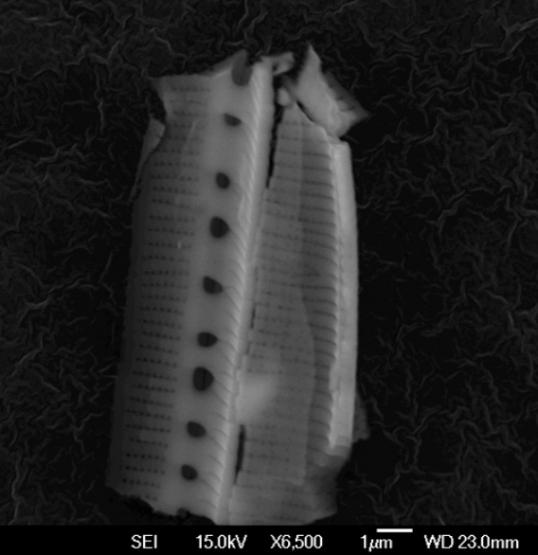

DNA-1What’s even more exciting is the prospect that the organisms, though they are all likely dead at this point, are likely to contain alien DNA. If this proves to be true, it could further the idea that life on Earth may have had its beginnings in cosmos. Next month, the team plans to try the balloon test again to see if they can both confirm their results and find new organisms in upcoming meteor shower tied to Halley’s Comet.

Exciting prospects indeed. But almost immediately after the announcement been made, dissenting voices began to come forward to poke holes in the team’s theory. One such person is Phil Plait, an astronomer who upon reading the findings in the Journal of Cosmology, raised a number of concerns and criticisms about the team’s research.

First, Plait notes, one member of the research team, Chandra Wickramasinghe, has claimed numerous times that he’s discovered diatoms – a type of phytoplankton found in meteorites – and this particular paper also includes similar diatom findings. Wickramsinghe also, according to Plait, has a long history of making dubious claims about extraterrestrial life, using less-than-thorough research.

PanspermiaPlait also noted that the Journal of Cosmology, where the paper was published, has a less-than-spotless reputation. In the past, the quality of peer review at the journal has been questioned, and they have also been accused of promoting fringe and speculative viewpoints on astrobiology, astrophysics, and quantum physics. Of particular concern is the journal’s apparent bias that the theory of Panspermia is established fact, which remains a theory.

But as to the scientific findings themselves, there’s the question of whether the diatom really came from space or became attached to the balloon as it transited from the surface into orbit. While the team claims that precautions were taken and the sample was too clean, extended testing may prove this conclusion to be wrong, and possibly premature.

Second, Plait disputes the conclusion that the diatom could not have been put up in the atmosphere by a volcanic eruption. Specifically, he noted that the researchers didn’t seem to take into account things like turbulence in the stratosphere that could have kept objects previously hurled up there by volcanoes floating around for quite some time.

panspermia1Then there’s the claim that evidence points that the organisms came from a comet. The fact that it was “remarkably clean and free of soil or other solid material,” works against this conclusion, according to Plait. If indeed it came embedded in rock, there would surely be samples of soil, dust, ice or minerals attached to it, as these are things commonly found in a comet.

And finally, there’s the theory the researchers developed that these organisms are evidence that life actually began somewhere in space, then came to Earth. While Panspermia is a good theory, Plait claims that the scientists are going about arguing it in a way that is not strictly scientific:

Panspermia is worth investigating, but it’s worth investigating correctly. Outrageous claims on thin evidence with huge conclusion-jumping don’t comprise the best way to do it. Stories like this one are sexy and sure bait for an unskeptical media, of course. But at the very least they don’t help the public understand science and the scientific process, and I know some scientists take an even dimmer view of it.

But of course, the announcement was just made and there’s still plenty of checking to do. In the meantime, we can all certainly speculate, and I would like to hear from the people out there. What do you think? Does this discovery constitute a scientific breakthrough, or is it an elaborate hoax or a case of eager scientists jumping to conclusions?

Mars_Earth_Comparison-580x356And let’s not forget, this announcement comes not long after Professor Steven Benner’s similar announcement that new evidence connects the origin of life on Earth to life on Mars. No reason why Exogenesis and the Martian hypothesis can’t coexist now is there?

Sources: blastr.com, (2)

Judgement Day Update: Using AI to Predict Flu Outbreaks

hal9000It’s a rare angle for those who’ve been raised on a heady diet of movies where the robot goes mad and tries to kill all humans: an artificial intelligence using its abilities to help humankind! But that’s the idea being explored by researchers like Raul Rabadan, a theoretical physicist working in biology at Columbia University. Using a new form of machine learning, they are seeking to unlock the mysteries of flu strains.

Basically, they are hoping to find out why flu strains like the H1N1, which ordinarily infect pigs and cows, are managing to make the jump to human hosts. Key to understanding this is finding the specific mutations that transform it into a human pathogen. Traditionally, answering this question would require painstaking comparisons of the DNA and protein sequences of different viruses.

AI-fightingfluBut thanks to rapidly growing databases of virus sequences and advances made in computing, scientists are now using sophisticated machine learning techniquesa branch of artificial intelligence in which computers develop algorithms based on the data they have been given to identify key properties in viruses like bird flu and swine flu and seeing how they go about transmitting from animals to humans.

This is especially important since every few decades, a pandemic flu virus emerges that not only infects humans but also passes rapidly from person to person. The H7N9 avian flu that infected more than 130 people in China is just the latest example. While it has not been as infectious as others, the fact that humans lack the antibodies to combat it led to a high lethality rate, with 44 of the infected dying. Whats more, it is expected to emerge again this fall or winter.

Influenza_virus_2008765Knowing the key properties to this and other viruses will help researchers identify the most dangerous new flu strains and could lead to more effective vaccines. Most importantly, scientists can now look at hundreds or thousands of flu strains simultaneously, which could reveal common mechanisms across different viruses or a broad diversity of transformations that enable human transmission.

Researchers are also using these approaches to investigate other viral mysteries, including what makes some viruses more harmful than others and factors influencing a virus’s ability to trigger an immune response. The latter could ultimately aid the development of flu vaccines. Machine learning techniques might even accelerate future efforts to identify the animal source of mystery viruses.

2009_world_subdivisions_flu_pandemicThis technique was first employed in 2011 by Nir Ben-Tal – a computational biologist at Tel Aviv University in Israel – and Richard Webby – a virologist at St. Jude Children’s Research Hospital in Memphis, Tennessee. Together, Ben-Tal and Webby used machine learning to compare protein sequences of the 2009 H1N1 pandemic swine flu with hundreds of other swine viruses.

Machine learning algorithms have been used to study DNA and protein sequences for more than 20 years, but only in the past few years have scientists applied them to viruses. Inspired by the growing amount of viral sequence data available for analysis, the machine learning approach is likely to expand as even more genomic information becomes available.

Map_H1N1_2009As Webby has said, “Databases will get much richer, and computational approaches will get much more powerful.” That in turn will help scientists better monitor emerging flu strains and predict their impact, ideally forecasting when a virus is likely to jump to people and how dangerous it is likely to become.

Perhaps Asimov had the right of it. Perhaps humanity will actually derive many benefits from turning our world increasingly over to machines. Either that, or Cameron will be right, and we’ll invent a supercomputer that’ll kill us all!

Source: wired.com

The Future is Weird: Human Urine used to grow Teeth?!

3dstemcellsStem cell research has been expanding impressively in recent years, and the range of applications has been growing accordingly. And while all are impressive and useful, some are – admittedly – odd and even a tad gross. One such application is the one that was recently unveiled in China, where a team of biologists are using stem cells harvested from human urine to grow structures in mice that resemble teeth.

The team, led by Duanqing Pei and Jinglei Cai from the Guangzhou Institute of Biomedicine and Health, had announced back in 2011 that it had successfully reprogrammed skin-like cells from the kidneys, found in urine, to turn into pluripotent stem (iPS) cells. As researchers have known for some time, these iPS cells can be tweaked to become pretty much any human cell in the body.

tooth-from-urine-cell-regenerationIn a paper produced by the Guangzhou biomedical team – which appeared in the peer-reviewed, open access journal Cell Regeneration last week – they claim the ability to “regenerate teeth with patients’ own cells” is an “ideal solution” to the loss of teeth through accidents or disease. As just one of many applications of stem cell research, the aim is to create synthetic biological tissues that can replace artificial implants.

Once the cell sheets formed into epithelial tissue – the kind of cells found in human skin and teeth – they implanted them with tissue from the jaw of a mouse embryo (to encourage it to grow into a tooth) in the kidney of a mouse. Three weeks later, they noted that the human tissue had turned into cells called ameloblasts that secrete enamel, the hard, bone-like substance on the outside of the tooth.

urine_stemcells_teethThe result was a series of tooth-like structures which possessed the hardness “found in the regular human tooth”, which were then harvested. Assuming that this approach could be scaled to involve dozens of mice across thousands of labs, artificial teeth could be mass produced and then be made available to dental clinics all over the world.
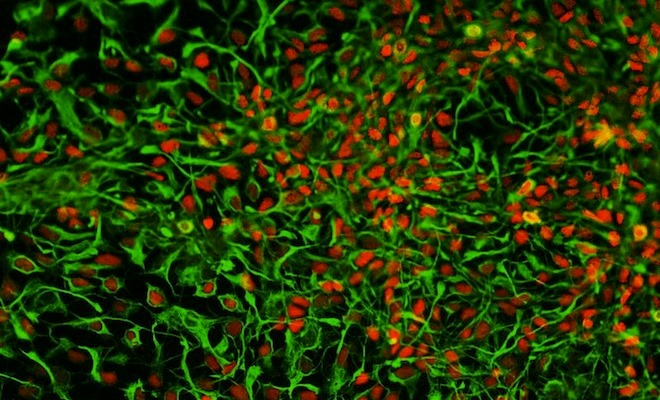
However, the real innovation came with the new method that the research team devised to get around some flaws in the traditional method. This method, which involves inserting the stem cells into blanket cells via a genetically engineered retrovirus, can lead to a destabilization of the cell genome, rendering the tissue unpredictable, susceptible to mutations and thus a liability.

stem_cells1Hence why Pei and his team opted for another route, one which they claim presents a safer, faster alternative. Having extracted kidney epithelial cells from the urine of three donors, the team used vectors — a type of DNA molecule useful in transporting genetic information from cell to cell. This allowed them to transport the genetic information without having to integrate the new genes into the chromosome of the kidney cell.

According to their paper, this process may be partly responsible for the aforementioned mutations in the first place. And once they tested out their new process, it took only 12 days for the pluripotent stem cells to form in a petri dish – roughly half the time it takes using the traditional approach.

URINE-STEM-CELLS-TEETH-570William Stanford – a University of Ottawa researcher who holds a Canada Research Chair in integrative stem cell biology – indicated that their approach is not entirely now. Growing various kinds of human tissues inside a mouse kidney is a common technique used by stem cell biologists, Stanford said. In the course of doing so, researchers will occasionally grow what looks like teeth by accident.

However, the Guangzhou team have modified the technique to grow teeth intentionally. And their approach is an improvement in that it does not require skin samples to be harvested by the human subject (a common practice at the moment). Using urine-harvested stem cells only requires that they pee into a cup, and the turnaround time is a matter of weeks instead of months.

Good news for anyone who is missing some chomper, or feels self-conscious about crooked or chipped teeth and can’t afford those expensive, porcelain implants. What’s more, teeth are really just the tip of the iceberg. In time, other organic tissues could be grown as well, allowing for further developments in the already exciting field artificial organ generation.

Sources: cbc.ca, wired.com

Patenting Genes: US Supreme Court Says No

dna_doublehelixLast week, in a landmark decision that is expected to have far-reaching consequences, the United States Supreme Court announced in a unanimous decision that no part of the human DNA sequence – or the DNA of any living organism – is patentable. This decision came after thirty years of patents being issued on genes for the sake of genetic research, and which was spurred on by recent developments, such as the publication of the human genome.

Specifically, the case came down to a claim made by Myriad Genetics, the company that discovered the BRCA-1 and BRCA-2 genetic mutations that can lead to higher incidences of breast cancer. They patented these sequences in the hopes of having a lucrative investment when it came to future screenings and treatments. But for many, this signaled that a line was being crossed, and the case went to court.

us_supremecourtFor critics of Myriad’s attempt to patent the genetic mutations, they claimed that this made screening often prohibitively expensive. Angelina Jolie was one such person, who drew attention to the fact that her mother – who died of breast cancer – and women like her would be unable to afford the treatment if Myriad got it’s way. Myriad fought back by saying that without the possibility of future financial gain, there would be no incentive for companies to sink money into searching for these genes.

In the end, the Supreme Court voted 9 to 0 that genes are products of nature and not human-made inventions, which makes them ineligible for a patent. For many, this decision has temporarily closed Pandora’s Box and prevented corporations from obtaining the right to carve up the human genome and lay claim to it, a process which many believed would lead to monopolies of gene treatments and the potential ownership of human beings themselves.

GMO_seedsOn the other hand, the court’s ruling did not apply to one other key issue: synthetic genes. Basically, genetic modifications that are made my companies for the sake of modifying foods, agricultural produce, and even animals are still up for grabs. And at least one major corporation is pretty pleased about this. In allowing for synthetic genes to remain a grey area, Monsanto is likely to continue seeking to patent its genetically-modified seeds.

Just over a month ago, the Supreme Court ruled in favor of the giant agribusiness in one of the most important lawsuits filed by the company in recent years. In essence, the court’s ruled that an Indiana soybean farmer was infringing on Monsanto’s soybean patent by buying the seeds from a nearby grain elevator and then saving them.

agribusinessOf the 144 lawsuits filed against 410 farmers and 56 small farm businesses throughout the U.S. in the past few years (according to the Center for Food Safety), this case was especially important. It essentially set the precedent that anyone selling genetically-modified grains had to pay royalties to the company responsible for their creation. This in turn has long-reaching implications which go far beyond agribusiness.

Though it is still a grey area, the legal battle over modified genes seems all but decided at this point. Whereas natural genes cannot be subject to patents, anything a company modifies in a lab already have been. But given the growth of skunkworks and biohacking labs around the world, there is still time for small operations and independent companies to get in on the action.

As time has shown, diversification is the natural enemy of monopolization. But by far the most important thing of all, whether it’s about patenting genes or modifying them for our use, is for people to remain informed on the issue. As long as people know what decisions are being made behind closed doors, they will have a shot at controlling the outcome.

Sources: fastcoexist.com, (2)

Glowing Plants and the Future of Gene Patenting

DNA-1Synthetic biology – also known as biohacking – is an emerging and controversial scientific field that uses gene-writing software to compile DNA sequences. And thanks to a recent ruling handed down by the US Supreme Court, it is a process which is now entirely legal. All told, the potential applications of synthetic biology are largely useful, leading to lifesaving cures, or altered crops that survive in any environment.

However, there are numerous potential (and potentially harmful) commercial applications that could emerge from this as well. One such advancement comes from a DIY synthetic biology lab known as Glowing Plant, one that specializes in synthetic bio hacking. Basically, the project was one of many that emerged out of Singularity University – a research institute dedicated future technologies today.

glowing_plantsGlowing Plant was  originally created to show the power of DIY synthetic biology, and has since sets its sights on developing a species of glowing house plant for consumers. To fund their goal, they opened up a Kickstarter campaign – the first of its kind – with the goal of $65,000. Based on research from the University of Cambridge and the State University of New York, the Glowing Plants campaign promised backers that they would receive seeds to grow their own glowing Arabidopsis plants at home.

glowing_plants2Glowing Plant also announced that if the campaign reaches its $400,000 stretch goal, glowing rose plants will also become available. As of the publication of this article, they passed that goal with a whopping $484,013 from a total of 8,433 backers. It seems there are no shortage of people out there who want to get their hands on a glowing house plant.

But Glowing Plant, the laboratory behind the project, has no intention of stopping there. As Antony Evans, co-founder of the project explained:

We wanted to test the idea of whether there is demand for synthetic biology projects. People are fundamentally excited and enthusiastic about synthetic biology.

Given the thousands of people backing the project, I’d say he’s right! But rest assured, Evans and his team have no intention of stopping there. The ultimate goal is to create larger species of glowing plants.

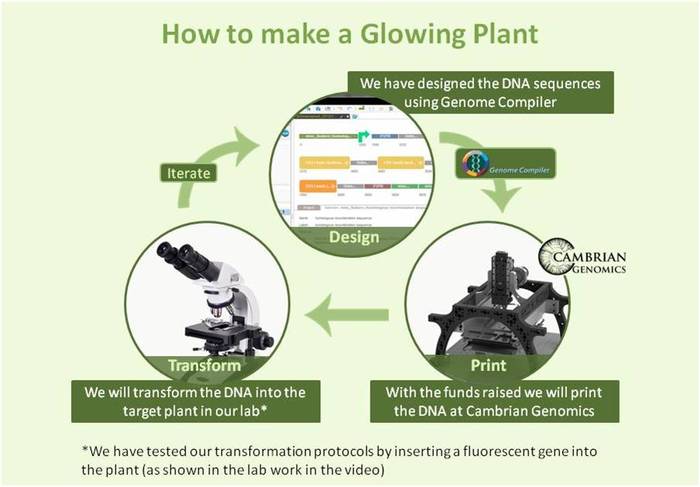
glowing_plants1The method used to achieve this is really quite interesting. It starts with the team downloading the luciferase-lucifern genes – the firefly DNA that allows them to glow – into a Genome Compiler, and then rewiring the DNA so that the proteins can be read by plants. The DNA sequences are then sent off to DNA printing company Cambrian Genomics, which has developed a relatively low-cost laser printing system. Those sequences are printed, put on a little spot of paper, and mailed back to the team.

After that, the team relies on one of two methods to transmit the firefly DNA into the Arabidopsis’ themselves. One way is to use a bacteria solution that is capable of injecting its own DNA into plants and rewriting theirs, which then causes the altered plants to germinate seeds of the new glowing strain. The other involves gold nano-particles coated with a DNA construct that are then fired at the plant cells, which are then absorbed into the plant chromosomes and alters their DNA.

NanoparticlesThis second method was devised to do an end run around specific Department of Agriculture regulations that govern the use of viruses or other pathogens to modify DNA. Though technically legal, the process has attracted resistance from environmental groups and the scientific community, fearing that the DNA of these altered plants will get into the natural gene pool with unknown consequences.

In fact, an anti-synthetic biology group called ECT has emerged in response to this and other such projects – and is centered in my old hometown of Ottawa! They have countered Glowing Plant’s Kickstarter campaign (which is now closed) with a fundraising drive of their own, entitled “Kickstopper”. In addition, the group has started a campaign on Avaaz.org to force the Supreme Court to reconsider the ruling that allows this sort of bioengineering to take place.

At present, their fundraising campaign has raised a total of  $1,701 from 58 backers – rougly 9% of its overall goal of $20,000 – and their Avaaz campaign has collected some 13,000 signatures. With 36 days left, there is no telling if they’re efforts will succeed in forcing a legal injunction on Glowing Plant, or if this is the first of many synthetic biology products that will make it to the market through private research and crowdfunding.

A fascinating time we live in, and potentially frightening…

Sources: fastcoexist.com, (2), kickstarter.com, glowingplant.com